

Savor the Nature and Culture of Yufuin (Yuhuin) to the Fullest
Located almost at the center of Oita Prefecture, the Yufuin (Yuhuin) area is where rich nature and refined culture breathe. Far from being just a hot spring resort, it’s a concentration of captivating tourist attractions: the majestic panorama of Mt. Yufu, a fantastical lake enveloped in morning mist, and charming town strolls that capture the hearts of travelers and never let go.
Yufuin intentionally avoided building entertainment districts or giant hotels, instead developing its town in harmony with nature, modeled after European resorts. This is precisely why a ‘genuine sense of time for deep relaxation’ flows here. This guide focuses on the must-visit major spots in Yufuin, offering ‘real local ways to explore’ and in-depth highlights beyond typical textbook explanations.
Mount Yufu
📍 Address: Mt. Yufu, Yufuincho Kawakami, Yufu, Oita 879-5102, Japan
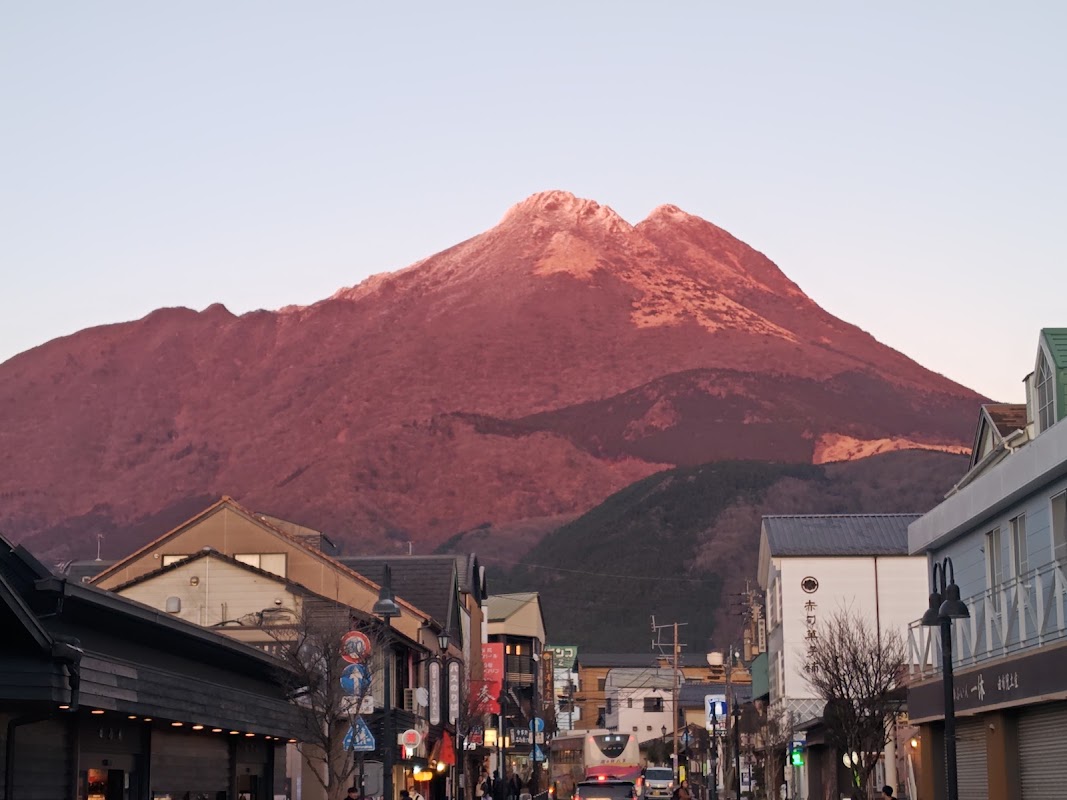
Mount Yufu, also known as ‘Bungo Fuji,’ stands as the symbol of Yufuin with its elegant twin peaks. Rising 1,583m, this mountain has been revered as a sacred peak since ancient times, even appearing in the Manyoshu anthology. Its slopes are characterized by beautiful grasslands with sparse trees, maintained by regular controlled burns to preserve the scenic landscape. From late May to early June, the mountain’s slopes are vividly colored by blooming ‘Miyama Kirishima’ azaleas, captivating many hikers and photographers.
The most classic hiking route up Mt. Yufu is the ‘Main Trailhead’ course, easily accessible by local bus or car. The initial section offers plenty of shade and winding trails with gentle slopes, allowing hikers of all ages, including those in their 40s and seniors, to ascend at their own pace. However, as you approach ‘Matae,’ the crater’s junction, the terrain becomes rocky, and the gradient steepens significantly. With no shade to block the sun, frequent hydration is crucial, especially during hot periods. Since there are no vending machines or water sources at the trailhead, prior preparation makes all the difference.
Upon reaching Matae, the route divides into the ‘East Peak’ and ‘West Peak’ trails. A crucial point to know here is that their difficulty levels differ dramatically. The East Peak has fewer hazardous sections and offers a magnificent summit view after about 15 minutes, making it a safe challenge even for beginners. In contrast, the West Peak is a thrilling course involving steep, rocky climbs where you rely on chains. It’s so demanding that some hikers report contemplating turning back, so prioritizing secure footing and using the chains strictly as support, proceeding with caution and courage, is essential. If you’re unsure, it’s wise to choose the East Peak without hesitation.
Furthermore, a recommended detour when descending or if you have some spare time is a visit to ‘Imorimigajo,’ which towers near the trailhead. While it requires descending into a valley and then climbing back up, it’s accessible within 30-40 minutes from the trailhead, and personally, I find its breathtaking views just as impressive as those from Mt. Yufu’s main peak. The spectacular vista of windswept grasslands and the hot spring town below is the ultimate reward after your hike.
Yufuincho Kawakami
📍 Address: Yufuincho Kawakami, Yufu, Oita 879-5102, Japan
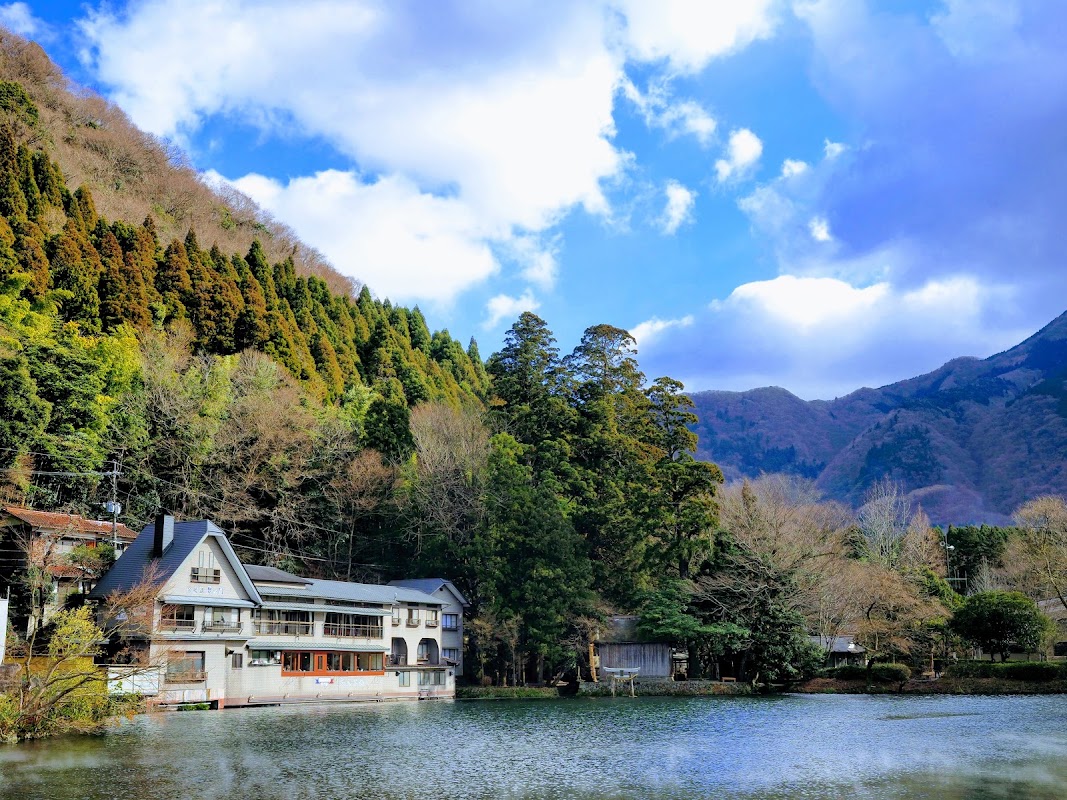
The ‘Yufuincho Kawakami’ area, the heart of Yufuin, is a hub of culture and gourmet experiences, attracting the largest number of tourists. A quintessential attraction in this area is ‘Kinrinko Lake,’ quietly nestled at the back of the town. Once known in the Oita dialect as ‘Taken-shitan-ike’ (the pond below Mt. Yufu), it acquired its elegant name ‘Kinrinko’ (Golden Scale Lake) in the Meiji era when Confucian scholar Mori Kuso saw fish scales shimmering in the sunset.
Kinrinko Lake’s most significant feature is that both fresh water and hot spring water well up from its bed. This keeps the water temperature high throughout the year, leading to the fantastical sight of ‘morning mist’ rising purely white from the lake’s surface on chilly mornings from autumn to winter. While it buzzes with many tourists, including international visitors, during the day, and the lakeside cafes and shops exude a glamorous resort feel reminiscent of Old Karuizawa, ‘an early morning stroll’ is undeniably the best way to savor the local tranquil atmosphere. Observing the fish and waterfowl swimming in the warm lake waters on a deserted lakeside will be a soul-cleansing experience.
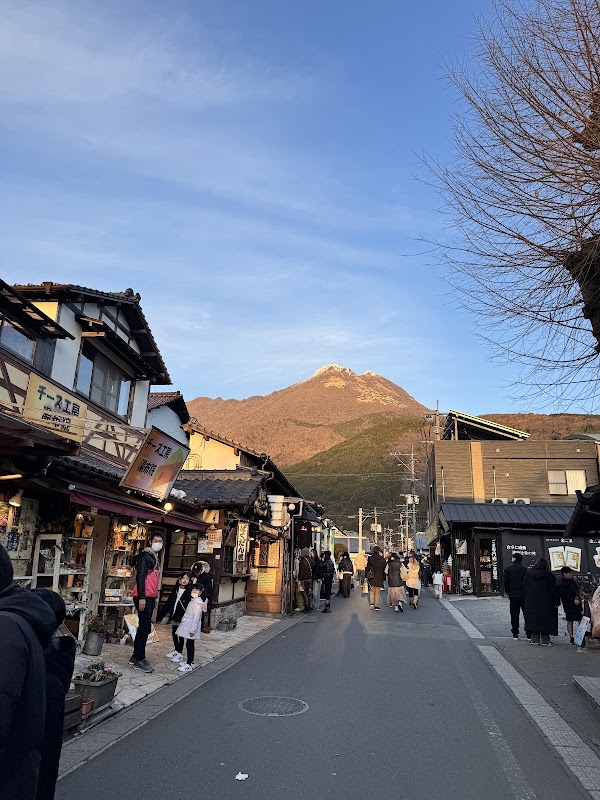
Moreover, ‘Yunotsubo Street,’ the main thoroughfare leading to Kinrinko Lake, is a mecca for street food and shopping. Lined with sweets made from Yufuin-grown ingredients, Oita’s famous Toriten (chicken tempura), and stylish craft shops, it’s vibrant and bustling. The roads in this area are narrow, and it can get extremely crowded with cars searching for parking and pedestrians, especially on holidays, so approaching from your accommodation on foot or by rental bicycle is recommended. Strolling through the atmospheric back alleys while listening to the clopping hooves of the sightseeing horse carriages that traverse the town is a unique delight of Yufuin.
Yufuin Onsen
📍 Address: Yufuin Onsen, Yufu, Oita, Japan
Yufuin Onsen, a renowned hot spring for healing travel fatigue, boasts an impressive scale, ranking second nationwide in both its water discharge volume of approximately 38,600 liters per minute and its roughly 850 hot spring sources. It is truly a hot spring resort blessed by nature, with rain falling on the mountains surrounding the basin permeating deep underground, warmed by volcanic geothermal heat, and then gushing forth.
The charm of Yufuin Onsen lies undeniably in its ‘town philosophy.’ While many hot spring resorts transformed into massive hotels and neon-lit entertainment districts during Japan’s high economic growth period in the Showa era, the people of Yufuin steadfastly adhered to their strong resolve to ‘protect the quiet environment and natural scenery.’ As a result, even today, there are no large accommodations with over 100 rooms; instead, small to medium-sized ryokans (traditional inns) and secluded lodgings quietly nestled among the trees are predominant. This philosophy is precisely why Yufuin continues to attract immense support from women, couples, and travelers seeking an authentic experience.
The predominant water type is ‘simple hot spring (alkaline/mildly alkaline),’ which is colorless, transparent, and gentle. Rich in metasilicic acid, it’s known as ‘onsen for beautiful skin,’ leaving your skin moist and smooth after bathing. With minimal irritation, it’s gentle on sensitive skin, suitable for young children, seniors, and even those with fatigued skin after hiking.
The ultimate pleasure of Yufuin Onsen is undoubtedly an open-air bath with views of the majestic Mt. Yufu. The luxury of looking down from the bath at the mountain slopes changing colors with the seasons, and the morning mist enveloping the entire basin from autumn to winter, is a blissful experience only visitors to this region can savor.
Tips for 120% Enjoyment of Yufuin Sightseeing
The Yufuin area reveals entirely different expressions depending on the time of day. A common trap for travelers is the pattern of ‘arriving around noon, seeing only Yunotsubo Street and Kinrinko Lake amidst the crowds, and then leaving.’ This way, you won’t even experience half of Yufuin’s true charm.
The recommended approach is to stay one night in the Yufuin area and fully utilize the ‘early morning golden hour’ the next day. Waking up between 6 and 7 AM to enjoy the morning mist at Kinrinko Lake, then moving to Mt. Yufu’s Main Trailhead during the cooler hours for a short hike to Imorimigajo (or an ascent to the East Peak). After descending, before noon, take a day trip to Yufuin Onsen to wash off the sweat, and then relax in a quiet hotel lounge as the crowds peak – this kind of schedule is ideal.
Care is also needed when dining. Popular restaurants and cafes are bound to have queues during lunchtime, so entering right at 11 AM opening or aiming for after 2 PM, a slightly later time, is a wise choice. If you wish to leisurely savor local ingredients (such as Bungo beef or local chicken), strong advance research and reservations are highly recommended. By combining town strolls, nature exploration, and superb hot springs, you are sure to create your own special Yufuin stay.


'%3E%3Cpath%20stroke='%23000'%20stroke-width='4'%20d='m-35-37-13%2020m5%203%2013-20m5%203-13%2020m63%2042%206-9m1-2%206-9m5%203-6%209m-1%202-6%209m5%203%206-9m1-2%206-9m-96%200%2013%2020m5-3-6-9m-1-2-6-9m5-3%2013%2020m63-42-6-9m-1-2-6-9m5-3%2013%2020m5-3-6-9m-1-2-6-9'/%3E%3Ccircle%20r='24'%20fill='%23cd2e3a'/%3E%3Cpath%20fill='%230047a0'%20d='M0%200a12%2012%200%201%201%2020%2013%2024%2024%200%201%201-40-26A12%2012%200%201%200%200%200'/%3E%3C/g%3E%3C/svg%3E)
'/%3E%3Cpath%20fill='%23b2b2b2'%20d='M241%20382q0%2016%2017%2026%2017%2011%2042%2011t42-11q16-11%2017-26V269H241'/%3E%3Cpath%20fill='%239f7e00'%20d='M241%20379q0%2014%208%2023%209%209%2021%209%2014%200%2021-9%209-9%209-23V269h-59'/%3E%3Cpath%20d='M241%20339v-70h59v110q0%2014-9%2023l-6%205v-68h-15v72q-8%200-14-4v-68zm59%2040c0%2022%2015%2032%2029%2032%2021%200%2030-18%2030-32v-40h-59'/%3E%3Cpath%20fill='%239f7e00'%20d='M266%20277v5h2v12h-3v-5h2v-5h-9v5h2v5h-4v9h3v18h-5v10h34v-10h-5v-18h3v-9h-4v-5h2v-5h-9v5h2v5h-3v-12h2v-5zm42%20101q0%2010%206%2017%206%206%2015%207%2010-1%2016-7%206-7%206-17v-29h-43'/%3E%3Ccircle%20fill='%230044ad'%20cx='329.5'%20cy='372'%20r='6'/%3E%3Cellipse%20fill='%230044ad'%20cx='300'%20cy='340'%20rx='16'%20ry='21'/%3E%3C/svg%3E)


