
![The Ultimate Guide to Aichi Tourism [2026 Update]! 5 Must-Visit Spots, from Classic to Off-the-Beaten-Path](https://images.unsplash.com/photo-1600927667545-f85897ad82a6?crop=entropy&cs=tinysrgb&fit=max&fm=jpg&ixid=M3w5MDExNDh8MHwxfHNlYXJjaHwxfHxOYWdveWElMjBjYXN0bGUlMjBsYW5kc2NhcGV8ZW58MHwwfHx8MTc3NTI1NzI1N3ww&ixlib=rb-4.1.0&q=80&w=1080 "The Ultimate Guide to Aichi Tourism [2026 Update]! 5 Must-Visit Spots, from Classic to Off-the-Beaten-Path")
Aichi Prefecture boasts a diverse array of tourist attractions, ranging from historic castles and vast natural landscapes to the latest theme parks with unique worlds. Many travelers, however, likely ponder how to best navigate these spots within a limited itinerary to maximize their enjoyment. For visitors to Aichi, we’ve carefully selected ‘5 Absolutely Must-Visit Spots!’ This guide goes beyond textbook explanations of each facility, offering real-world information such as secret tips for avoiding crowds and how to best move around locally.
Nagoya Castle
📍 Address: 1-1 Honmaru, Naka Ward, Nagoya, Aichi 460-0031, Japan
The quintessential Aichi tourist attraction and symbol of Nagoya is ‘Nagoya Castle’. Built by Tokugawa Ieyasu as a stepping stone to unify Japan, this castle is famously adorned with massive, gleaming ‘golden Shachihoko’ (mythical carp-like creatures) on its roof. Currently, the main keep (Tenshukaku) cannot be entered due to ongoing wooden restoration projects, but even just gazing up at it from the moats and gardens conveys an overwhelming sense of scale and majesty.
An absolute must-see at Nagoya Castle today is the ‘Honmaru Palace’, fully restored in 2018. Stepping inside, you’re enveloped by the gentle scent of wood and a dazzling golden world. The vibrant fusuma paintings of tigers and leopards in the entrance, and the ‘Joraku-den’ (residence for the Shogun) lavishly decorated to welcome the shogun, featuring richly colored wall paintings by Kano School artists and intricate carved transoms, are simply breathtaking. You can truly feel the immense power and wealth of the Owari Tokugawa family from that era.
【Local Tips】
The grounds are very extensive, so wearing comfortable sneakers is essential for your visit. If you wish to delve deeper into the historical background, we recommend utilizing the free volunteer guides available near the main gate. They offer an enjoyable 1.5-hour tour, pointing out often-overlooked relics and even Shohei Ohtani’s autograph (in the exhibition area). If using the subway, entering and exiting from the East Gate of ‘Nagoya Castle Station’ will shorten your walking distance.
Ghibli Park
📍 Address: 1533-1 Ibaragahorima, Nagakute, Aichi 480-1342, Japan
Ghibli Park, a hugely popular spot attracting fans from both Japan and abroad, is a special space where the world of Ghibli blends into the forest of Expo 2005 Aichi Commemorative Park. It’s not a typical attraction-centric amusement park, but rather conceptualized as ‘a park to discover by walking’. Comprising five areas – ‘Ghibli’s Grand Warehouse’, ‘Hill of Youth’, ‘Dondoko Forest’, ‘Mononoke Village’, and ‘Valley of Witches’ – every corner offers an immersive experience, making you feel as if you’ve stepped into a scene from a movie.
【Local Tips】
If it’s your first visit, reserving and purchasing the ‘Premium Ghibli Park Ticket’ (O-Sanpo-ken Premium), which grants access to all areas and all building interiors (such as Howl’s Castle, Okino Residence, Kusakabe House), is absolutely essential. The buildings are air-conditioned, making them a valuable ‘shelter’ during harsh summer and winter weather.
Given the expansive grounds, it’s not uncommon to walk nearly 20,000 steps in a day. If you try to see everything perfectly, you’ll find yourself rushing, so decide on your ‘absolutely must-visit areas’ in advance. Also, if you’re aiming for popular souvenirs (like limited-edition plush toys), it’s a golden rule to head straight to your target shop as soon as the park opens.
Inuyama Castle
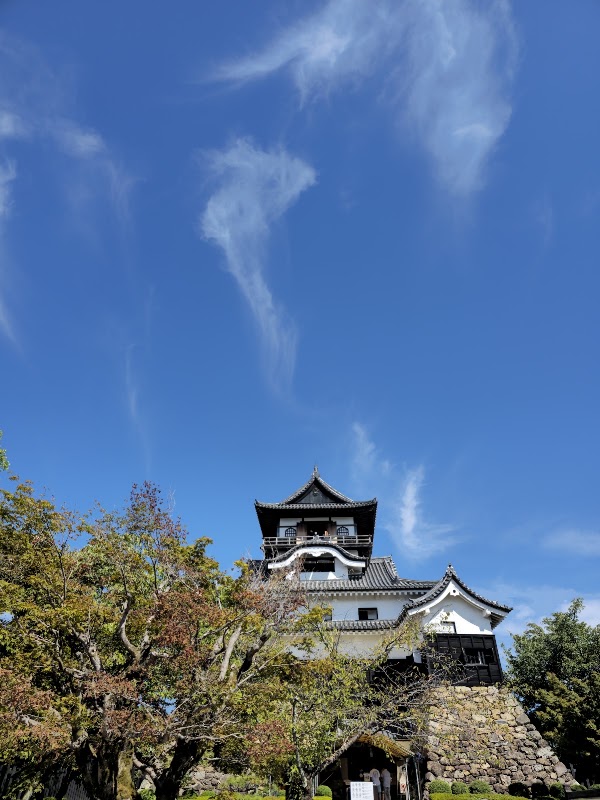
📍 Address: 65-2 Inuyamakitakoken, Inuyama, Aichi 484-0082, Japan
For travelers seeking historical romance, we highly recommend ‘Inuyama Castle’, one of Japan’s five National Treasure castles. Built in 1537 (Tenbun 6) during the Muromachi period by Oda Nobuyasu, uncle of Oda Nobunaga, it boasts Japan’s oldest existing main keep. Standing atop a small hill along the Kiso River, it’s known as a ‘fortress with a strong rear’ (ushiro-kengo no shiro), and its dignified appearance captivates all who behold it.
From the top floor (4th floor) of the keep, you can enjoy a breathtaking 360-degree panorama of the Kiso River flowing below, the Nobi Plain, and even Mount Ontake, truly making you feel like a ‘castle lord’. The creaking sounds characteristic of wooden architecture and the texture of the aged pillars tell stories of over 480 years of history.
【Local Tips】
The stairs leading up to the keep are extremely steep (about 50 degrees) – ‘almost a ladder’ – and the steps are high, so those with knee or back concerns or travelers with small children should exercise extreme caution. In winter, the wooden floorboards, which you walk on barefoot, can be icy cold, and drafts blow through, so thick socks are essential. On crowded weekends and holidays, waits of several tens of minutes to an hour can occur for admission and climbing the stairs, so visiting first thing in the morning is recommended. After seeing the castle, don’t forget to explore the charming castle town and enjoy local snacks like goheimochi (rice cakes) and shoyu okoge kushi (soy sauce scorched rice skewers)!
Korankei
📍 Address: Iimori, Asukecho, Toyota, Aichi 444-2424, Japan
When it comes to autumn sightseeing in Aichi, ‘Korankei’ is the top autumn foliage spot in the Tokai region. The sight of approximately 4,000 maple trees along the Tomoe River simultaneously turning vibrant colors is simply spectacular. In particular, the contrast between the iconic red ‘Taigetsukyo Bridge’ and the colorful autumn leaves reflected on the river surface is picturesque from any angle.
During the ‘Korankei Maple Festival’ in November, the area is lit up from sunset until 9 PM, allowing visitors to enjoy the magical sight of Mount Iimori illuminated in golden hues. Furthermore, exploring the old townscape of Asuke and savoring freshly grilled gibier (deer or wild boar) skewers or fragrant goheimochi from the food stalls are unique delights of this area.
【Local Tips】
Korankei’s biggest challenge is ‘massive traffic jams’. On peak autumn weekends, National Route 153 becomes extremely congested, and it can take several hours to move just a few kilometers. To avoid this, either ① ‘arrive early (before 8 AM)’ or ② ‘use a detour from Sanage Green Road Chikaraishi IC (e.g., via Prefectural Road 344) to access it from the back’ is essential. Also, the riverside and mountain paths can be dark and slippery, so choose comfortable sneakers, even if you’re visiting in the evening for the illuminations.
Gamagori Takeshima Aquarium
📍 Address: 1-6 Takeshima-cho, Gamagori, Aichi 443-0031, Japan
For those who are ‘tired of ordinary aquariums’, we wholeheartedly recommend ‘Gamagori Takeshima Aquarium’ (commonly known as Takesui), located in southern Aichi Prefecture. Although it’s a small municipal aquarium built in the 1960s, it’s actually an amazing place boasting ‘Japan’s largest number of deep-sea creature exhibits’. Thanks to a strong network with local fishermen, it’s teeming with unique deep-sea creatures like Japanese spider crabs and giant isopods that are hard to see elsewhere.
What propelled this aquarium to national popularity are the staff’s handwritten explanation signs, called ‘fish resumes’ (gyorekisho). There are no stiff, textbook-like explanations; instead, they are packed with humor and affection, featuring candid descriptions such as ‘Our staff tried eating XX (and it was awful)’ or ‘Currently, this tank is experiencing such bullying’. Many repeat visitors come solely to read these signs.
【Local Tips】
The aquarium may not seem very large, making it appear as though you can explore it quickly, but the humorous signs are so engaging that you’ll easily find 1-2 hours melting away. A 2024 renovation expanded the exhibition areas, making them even more accessible. At the ‘Touch Pool’ (Sawarin Pool), you can have the valuable experience of directly touching Japanese spider crabs and giant isopods. Nearby, there’s also ‘Takeshima Island’, a natural monument and power spot, so visiting both together is a classic route.
Conclusion: Make Your Aichi Trip the Best
Aichi Prefecture is very large, with attractions scattered across wide areas: the Nagoya city area (Nagoya Castle), the Mikawa area (Korankei, Takeshima), the Owari area (Inuyama Castle), and the Nagakute area (Ghibli Park). For a 1-night, 2-day trip, the trick to enjoying it to the fullest without spending too much time on travel is to narrow down your schedule to about two areas. Please use this article as a reference to plan your ultimate Aichi trip!


