

One of Gunma Prefecture’s most famous hot springs is Ikaho Onsen. With excellent access from Tokyo, it’s a popular tourist destination perfect for both day trips and overnight stays. While many might picture the nostalgic scenery of the stone steps, Ikaho actually boasts a profound history dating back to the Sengoku period, alongside numerous deep and fascinating attractions.
In this article, we’ll introduce carefully selected tourist spots recommended for first-time visitors and repeat guests alike. We’ve compiled essential information travelers truly want to know, from the historical background of famous sites to tips for navigating the area smoothly and avoiding crowds.
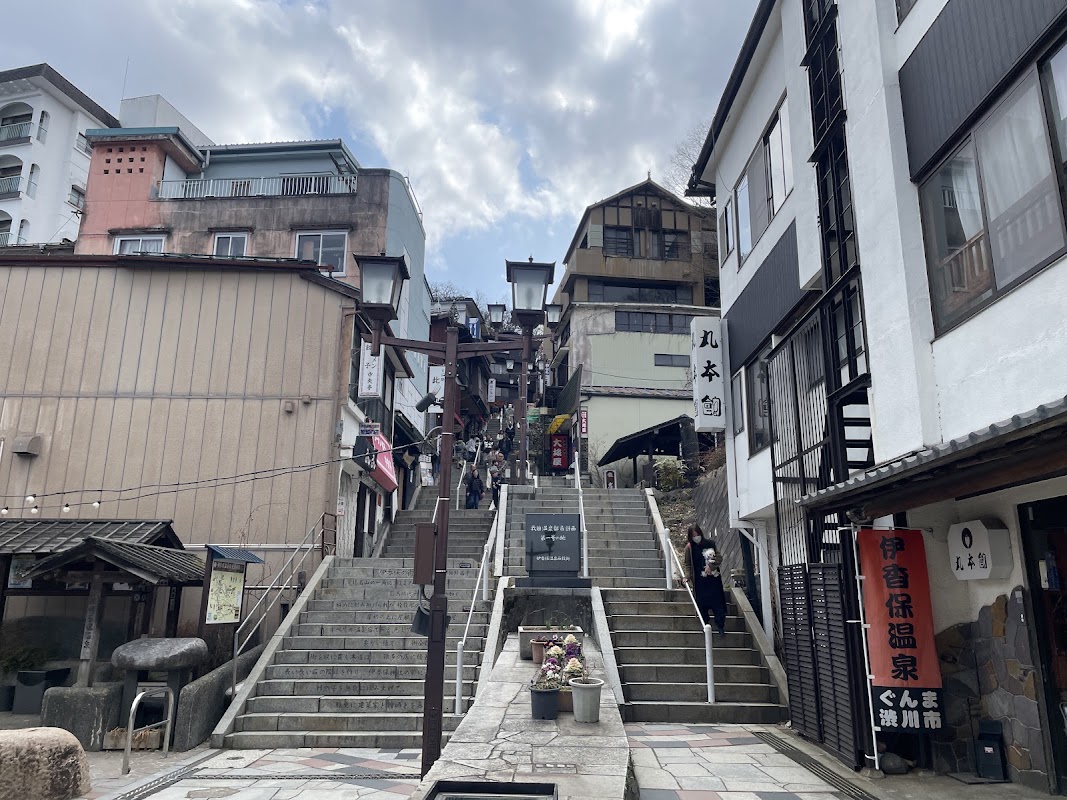
Ikaho Onsen Stone Steps Street
📍 Address: 76-5 Ikaho, Ikaho-machi, Shibukawa, Gunma 377-0102, Japan
The symbol of Ikaho Onsen is undoubtedly the ‘Stone Steps Street,’ with 365 steps leading up to Ikaho Shrine at its summit. Lined with traditional shooting galleries, souvenir shops, and long-established stores said to be the birthplace of ‘Onsen Manju’ (hot spring steamed buns), these steps embody the wish for the hot spring town to be bustling 365 days a year. Strolling along them offers an otherworldly sensation, as if you’ve stepped back in time. In recent years, it has also gained attention as a pilgrimage site for the popular manga ‘Dandadan,’ attracting many young people and international tourists.
This Stone Steps Street is more than just a pathway; its history dates back to the Sengoku period. It began when Katsuyori Takeda, defeated at the Battle of Nagashino in 1575, ordered his resourceful general Masayuki Sanada to develop it as a recuperation site for wounded soldiers. Stairs were built on the slope, and a ‘Yudoi’ (hot water channel) was laid in the center to carry hot spring water. From there, a ‘Komaguchi’ system was established to distribute the water to ryokans on either side. In essence, this is the site of Japan’s first ‘hot spring city planning.’ Even today, you can see the reddish-brown ‘Kogane-no-yu’ (Golden Hot Spring) water flowing vigorously through a glass window installed partway up the steps.
During the day on holidays, the area can get crowded with tourists, so if you want to take your time and snap photos, a stroll around 9:30 AM is recommended. However, shops generally start opening around 11:00 AM. At night, the entire Stone Steps Street is illuminated, transforming into a magical atmosphere entirely different from the daytime. Walking the night steps in a yukata and geta from your hot spring inn, listening to the ‘karakoro’ sound, will allow you to fully savor the ultimate charm of a hot spring trip.
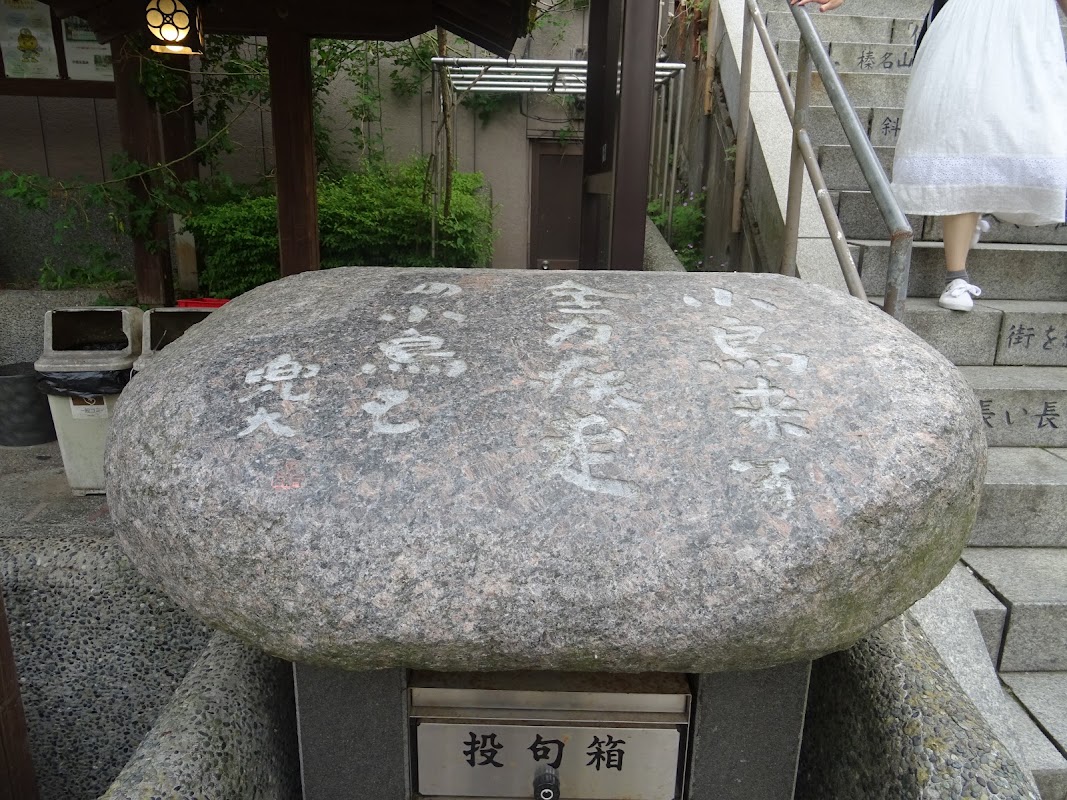
Stone Steps Street Pocket Park
📍 Address: 50 Ikaho, Ikaho-machi, Shibukawa, Gunma 377-0102, Japan
Continuously climbing the steep 365 steps requires more stamina than one might imagine. A great ally for such travelers is the ‘Stone Steps Street Pocket Park,’ located about 200 steps up from the bottom. Equipped with stone tables and benches, it’s an oasis-like space where you can catch your breath and relax.
This small rest area holds two lesser-known, intriguing sights. First are the countless seashells embedded in the ground. You might wonder why there are seashells in a mountain hot spring town, but they were brought from the coast of Zushi City, Kanagawa Prefecture, which is a sister city to Ikaho Town (now Shibukawa City). It’s a stylish touch that symbolizes the bond between the sea and the mountains.
The second is a haiku monument by Tota Kaneko, a master who led the postwar haiku world. It features the lighthearted verse, ‘Small birds arrive, even small birds at full sprint,’ and a haiku submission box is also provided next to it. Composing a haiku as a travel souvenir is a delightful way to enjoy your visit. A smart local tip is to grab some ‘Onsen Manju’ or ‘Tama Konnyaku’ (ball-shaped konjac) from a nearby shop, sit here, rehydrate, and savor your snack.
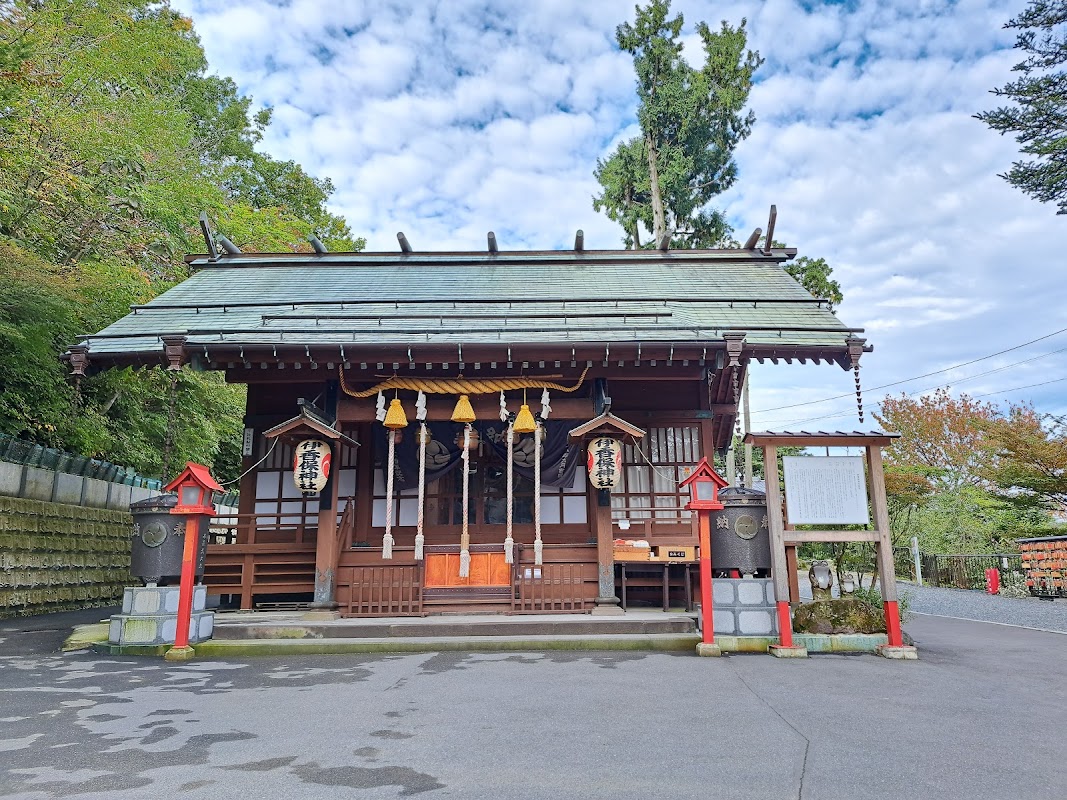
Ikaho Shrine
📍 Address: 1 Ikaho, Ikaho-machi, Shibukawa, Gunma 377-0102, Japan
Perched at the very top of the Stone Steps Street is Ikaho Shrine, the guardian deity of Ikaho Onsen. The sense of accomplishment upon reaching the final step, breathless, and seeing the ‘365/365’ plaque at your feet, is truly special. Said to have been founded in 825 during the Heian period, it is a prestigious Engishiki-nai-sha (shrine listed in the Engishiki-jinmyocho). After its main hall was destroyed in a major fire in the hot spring town in 1878 (Meiji 11), it was rebuilt at its current location in 1884 (Meiji 17).
The shrine enshrines two deities: Oonamuchi-no-mikoto and Sukunahikona-no-mikoto, gods of hot springs and medicine. Oonamuchi-no-mikoto is also known as ‘Okuninushi-no-mikoto’ and is famous as a god of matchmaking. Consequently, the shrine grounds are always bustling with worshippers seeking blessings for fertility, safe childbirth, successful relationships, and good health, making it a powerful spiritual spot.
Due to its elevated location, the air here is exceptionally clear, and from the observation deck in front of the shrine, you can enjoy panoramic views of beautiful mountain ranges, including Mt. Onoko. During the autumn foliage season, the shrine is lit up at night, offering breathtaking scenery. For those wishing to receive a ‘Goshuin’ (stamped red seal) as a travel souvenir, please note that Ikaho Shrine often only provides handwritten Goshuin on ‘weekends and national holidays,’ so it’s advisable to check in advance if you plan to visit on a weekday.
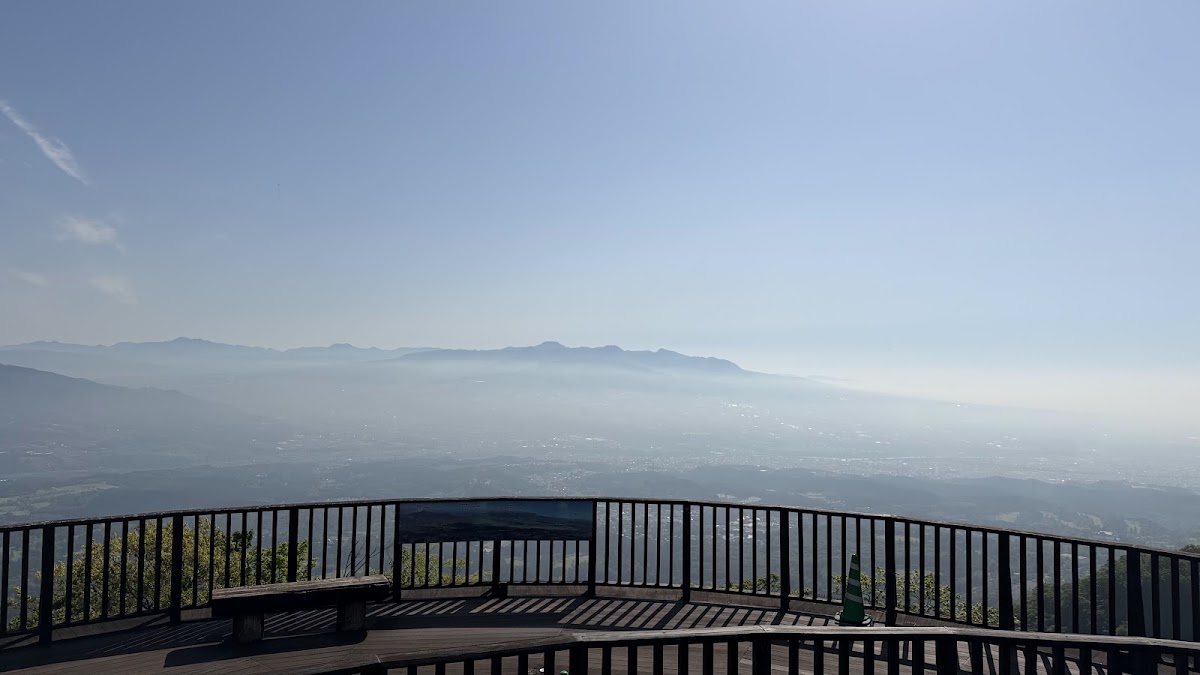
Tokimeki Deck
📍 Address: Uenoyama Park, Ikaho, Ikaho-machi, Shibukawa, Gunma 377-0102, Japan
If you want to stretch your legs a bit from the hot spring town and enjoy magnificent nature, head to ‘Tokimeki Deck’ (Sparkling Deck) within Uenoyama Park. Access is easy: enjoy a 4-minute aerial stroll on the Ikaho Ropeway from the hot spring town’s station to the summit’s ‘Miharashi Station,’ then it’s about a 5-minute walk. You can also drive directly; it’s a 5-minute walk from the parking lot.
From the impressive wooden observation deck, the townscape of Shibukawa stretches out below, and in the distance, you can clearly see the majestic mountain ranges of Mt. Akagi, Mt. Tanigawa, and the Nikko mountain range. During clear periods, like winter, the snow-covered mountains offer a breathtaking beauty that leaves you speechless. At the very top of the deck, there’s a ‘Kibo-no-Kane’ (Bell of Hope) – a bell of happiness – making it a perfect photo spot for creating memories with family or loved ones.
Due to its relatively high elevation, it can get surprisingly chilly when the wind blows. To fully enjoy the view, bring an extra layer regardless of the season, and in winter, be sure to take thorough precautions against the cold with items like scarves and gloves. For active travelers, we recommend a route where you ‘take the ropeway up and hike down, enjoying the natural scenery and wildflowers.’ However, as there are narrow sections of stairs, those with concerns about their legs or hips should ideally use the ropeway for both ascent and descent.
Takehisa Yumeji Ikaho Memorial Museum
📍 Address: 544-119 Ikaho, Ikaho-machi, Shibukawa, Gunma 377-0102, Japan
For travelers who want to enjoy an artistic experience in Ikaho, beyond just the hot spring atmosphere, the ‘Takehisa Yumeji Ikaho Memorial Museum’ is highly recommended. It’s one of Japan’s largest museums, housing over 16,000 works and antique items from the Taisho era by Takehisa Yumeji, a painter who symbolized Taisho Romance and produced numerous ‘Bijinga’ (pictures of beautiful women) and magazine illustrations.
Within the expansive grounds, you’ll find the main building ‘Yumeji Kurofune-kan’ and ‘Taisho Roman-no-Yakashi,’ built using traditional Japanese shaku-sun measurements while incorporating Western designs, as well as the new building ‘Giyaman-ro,’ which showcases beautiful Japanese glass from the Meiji and Taisho periods. Particularly in the main hall, live performances on valuable antique music boxes made over 100 years ago and a 120-year-old grand piano are regularly held, allowing you to close your eyes and immerse yourself in a graceful feeling, as if you’ve traveled back to the Taisho era.
Yumeji’s masterpiece is arguably ‘Kurofuneya,’ a famous painting depicting a woman holding a black cat, but the original can only be seen for a very limited period. It’s exclusively displayed for about two weeks around Yumeji’s birthday, September 16th, each year in the specially designed ‘Kura-zashiki’ (storehouse room) on the third floor. At other times, a replica is exhibited, but the entire museum, from its stained glass and lighting fixtures to its furniture, is thoroughly unified in the world view of Taisho Romance, ensuring that even those who aren’t art enthusiasts will be captivated by its retro-modern ambiance.
Tips for Making the Most of Your Ikaho Onsen Trip
Ikaho Onsen is a wonderful tourist destination, compactly packed with history, culture, and stunning nature, highlighted by the Stone Steps Street, which embodies the wisdom of Sengoku warlord Masayuki Sanada. The most important thing when visiting each attraction is ‘footwear preparation.’ With many uphill and downhill sections, such as the 365 steps and paths to observation decks, comfortable walking shoes like sneakers are an absolute must-have.
Furthermore, one of the great joys of a hot spring town trip is experiencing the ‘different atmospheres at various times of day.’ Enjoy a shrine visit in the crisp morning air, lively daytime food stalls, and the nostalgic illumination from dusk into the night. Whether you’re staying overnight or just on a day trip, try to adjust your schedule slightly to discover the many faces of Ikaho.


'%3E%3Cpath%20stroke='%23000'%20stroke-width='4'%20d='m-35-37-13%2020m5%203%2013-20m5%203-13%2020m63%2042%206-9m1-2%206-9m5%203-6%209m-1%202-6%209m5%203%206-9m1-2%206-9m-96%200%2013%2020m5-3-6-9m-1-2-6-9m5-3%2013%2020m63-42-6-9m-1-2-6-9m5-3%2013%2020m5-3-6-9m-1-2-6-9'/%3E%3Ccircle%20r='24'%20fill='%23cd2e3a'/%3E%3Cpath%20fill='%230047a0'%20d='M0%200a12%2012%200%201%201%2020%2013%2024%2024%200%201%201-40-26A12%2012%200%201%200%200%200'/%3E%3C/g%3E%3C/svg%3E)
'/%3E%3Cpath%20fill='%23b2b2b2'%20d='M241%20382q0%2016%2017%2026%2017%2011%2042%2011t42-11q16-11%2017-26V269H241'/%3E%3Cpath%20fill='%239f7e00'%20d='M241%20379q0%2014%208%2023%209%209%2021%209%2014%200%2021-9%209-9%209-23V269h-59'/%3E%3Cpath%20d='M241%20339v-70h59v110q0%2014-9%2023l-6%205v-68h-15v72q-8%200-14-4v-68zm59%2040c0%2022%2015%2032%2029%2032%2021%200%2030-18%2030-32v-40h-59'/%3E%3Cpath%20fill='%239f7e00'%20d='M266%20277v5h2v12h-3v-5h2v-5h-9v5h2v5h-4v9h3v18h-5v10h34v-10h-5v-18h3v-9h-4v-5h2v-5h-9v5h2v5h-3v-12h2v-5zm42%20101q0%2010%206%2017%206%206%2015%207%2010-1%2016-7%206-7%206-17v-29h-43'/%3E%3Ccircle%20fill='%230044ad'%20cx='329.5'%20cy='372'%20r='6'/%3E%3Cellipse%20fill='%230044ad'%20cx='300'%20cy='340'%20rx='16'%20ry='21'/%3E%3C/svg%3E)


