

Journey Beyond Time in Kathmandu
Kathmandu, the capital of Nepal, is a captivating city where the magnificent architecture of ancient dynasties blends with a unique spiritual atmosphere of Hinduism and Buddhism. Often called a ‘living museum,’ you can feel the breath of history and prayer everywhere you walk.
This article carefully selects the main attractions that are absolutely unmissable for anyone visiting Kathmandu, from short-term tourists to long-term residents. Beyond merely introducing historical buildings, we delve deeper from a real-world perspective, sharing how locals enjoy these sites, insider tips to avoid crowds, and the best times to visit.
Durbar Square
📍 Address: Kathmandu, Nepal 〒44600
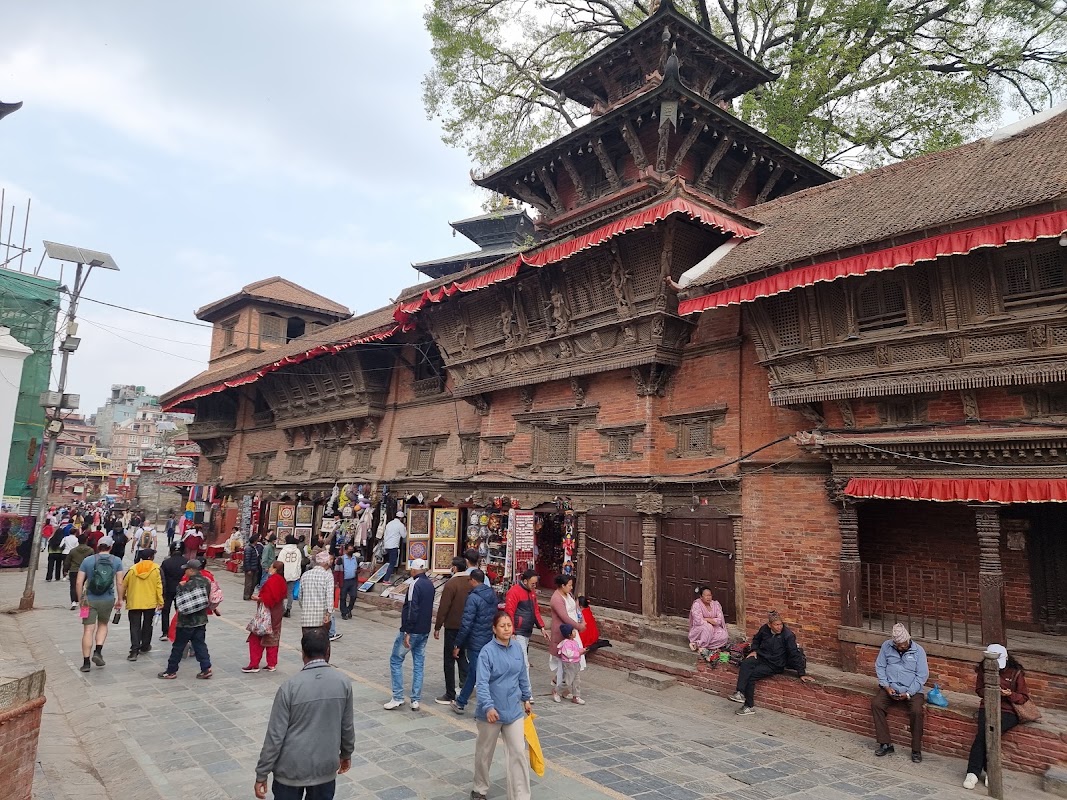
Durbar (Royal Palace) Square is the heart of Kathmandu’s tourism and indispensable to Nepal’s history. This UNESCO World Heritage site, where over 50 palaces and temples built between the 16th and 19th centuries are densely clustered, was once the coronation and governing place for kings of the Malla and Shah dynasties.
As you stroll through the square, you’ll be captivated by the beauty of Newari architecture adorned with intricate wood carvings. Highlights include the Hanuman Dhoka Palace Complex and the Nepal’s tallest ‘Taleju Temple,’ which opens only once a year during the Dashain festival. The view from ‘Basantapur Tower’ is particularly recommended; you can look down upon the bustling old city and a beautiful expanse of rooftops, making it an excellent photo spot.
The entrance fee for foreigners is 1,000 rupees (approx. 1,100 JPY), but there’s a handy tip for long-term visitors. After purchasing a ticket, if you bring your passport and a photo to the office within the square, you can get a ‘pass allowing unlimited entry until your visa expires’ for the same price in about 10 minutes. You can repeatedly enjoy the luxury of taking a break at a local chai shop on the corner of the square, watching the antique market prepare, and observing the daily lives of locals.
Kumari Ghar (Kumari House)
📍 Address: P834+FHQ, Layaku Marg, Kathmandu 44600, Nepal
Kumari Ghar, a beautiful three-story wooden building, stands in a corner of Durbar Square. Built in 1575, this house is where the Kumari, a young girl worshipped as a ‘living goddess’ in Nepal, actually resides. Believed to be an incarnation of the great goddess Durga or Taleju, a girl chosen after meeting strict criteria lives a sacred life in this house until her her first menstruation.
Upon entering the courtyard, you’ll be overwhelmed by the magnificent carved wooden window frames characteristic of Newari architecture. The interior of the house is a sacred space, and photography with cameras or smartphones of the Kumari is strictly prohibited (there are strict checks on belongings and phones).
If you’re lucky, the Kumari might appear for a few minutes from a second-floor window, usually between 4 PM and 5 PM daily, or occasionally in the morning. There’s a saying that ‘seeing the Kumari brings happiness,’ and the courtyard is always filled with anticipation. Even if a guide tells you she won’t appear today, waiting a little longer might see her unexpectedly show her face, so it’s best to visit with plenty of time. The warm atmosphere where everyone exchanges ‘Namaste’ after the strict security checks is an unforgettable experience unique to Kathmandu.
Swayambhu Mahachaitya
📍 Address: Kathmandu, Nepal 〒44600
Perched on a small hill west of the Kathmandu Valley, Swayambhunath (Swayambhu Mahachaitya) is Nepal’s oldest Buddhist temple. It’s a highly sacred place, said to have originated from a legend of Manjushri when the Kathmandu Valley was once a lake, characterized by its giant stupa adorned with the ‘Buddha’s Eyes’ looking in all four directions. Due to the many wild monkeys inhabiting the area, it’s also affectionately known as the ‘Monkey Temple’ among travelers.
While there’s a long route of 365 steps to climb to the top of the hill, the incline is quite steep. For those less confident in their physical stamina, it’s strongly recommended to take a taxi or motor-taxi (approx. 120 rupees~) directly to the ‘upper parking lot.’ Taxis waiting at the bottom of the approach may overcharge, so it’s best to use a ride-sharing app or negotiate firmly.
The entrance fee for foreigners is 200 rupees. The panoramic view from the top is breathtakingly beautiful. Visiting from sunset into the evening is best. The contrast between Kathmandu’s city lights at dusk and the mystical stupa illuminated by butter lamps is a truly soul-cleansing spectacle.
Boudhanath Stupa
📍 Address: Buddha Stupa, Boudha Sadak, Kathmandu 44600, Nepal
Located about 5km east of central Kathmandu, roughly a 30-minute taxi ride, Boudhanath is Nepal’s largest Tibetan Buddhist stupa (approx. 36m tall). It’s believed to enshrine the relics (bones) of Buddha at its center, attracting a continuous stream of Tibetan Buddhist pilgrims from around the world, making it a holy site.
The entrance fee is around 400 rupees. Once inside, you’ll be met with an overwhelming space filled with countless pigeons and colorful prayer flags (Lungta) fluttering in the wind. Here, walking ‘clockwise (to the right)’ is an absolute rule. By joining locals and Tibetan monks, chanting the mantra ‘Om Mani Padme Hum’ and spinning the prayer wheels, you can experience a deep sense of immersion.
The surrounding area has formed its own cultural zone, often called ‘Little Tibet,’ with Tibetan clothing stores, Buddhist artifact shops, and souvenir stalls densely encircling the stupa 360 degrees. If you get tired, taking a break at one of the rooftop cafes on the surrounding buildings is the local way. The colossal Buddha’s Eyes looking down from above, and the bustling scene of pilgrims, are endlessly fascinating.
Patan Durbar Square
📍 Address: Patan, Nepal 〒44600
Patan Durbar Square is the heart of the ancient city of Patan (Lalitpur), located across the Bagmati River from Kathmandu. Compared to Kathmandu’s Durbar Square, it’s a bit more compact, but it concentrates the ‘pinnacle of exquisite Newari architecture’ unique to Patan, a city that flourished as a center of craftsmanship.
Stepping into the square, you’ll find an array of breathtakingly beautiful wooden carvings and stone temples. Patan also has its own Kumari Ghar, and if the timing is right, you might have the precious experience of receiving a ‘Tika’ (forehead mark) directly from the Kumari.
The ‘Patan Museum’ inside the old palace is an absolute must-see. Besides its impressive exhibits, sitting on a cushion by the upper-floor window and leisurely gazing at the people passing through the square below is a special experience. Also, across the road from the ticket gate to the square, next to a stall, there’s a small staircase (viewpoint) you can climb for free, offering a panoramic view of the entire square – a sophisticated way to enjoy it.
Conclusion: Kathmandu, a City Where Magic Happens When You Walk
Kathmandu’s attractions reveal their true value not just by observing their exteriors, but through the fervent prayers of the devotees, the scent of incense wafting through the alleys, and the sight of locals chatting over chai.
While it’s possible to rush through in a day, it’s highly recommended to spend several hours at one square or stupa, lingering until dusk when the light changes. Wear comfortable shoes, show reverence for sacred places, and immerse yourself in the deep, unique flow of time that only Nepal offers.


