

Tel Aviv, known as Israel’s economic and cultural hub and ‘the city that never sleeps’ on the Mediterranean coast. This city, where modern skyscrapers blend with beautiful beaches and the ancient city of Jaffa with its thousands of years of history, continues to attract travelers from all over the world.
This time, we’ve carefully selected must-visit tourist attractions for both short-term visitors and long-term residents. Beyond just historical explanations, we offer Tel Aviv’s charm from a local’s perspective, including tips to avoid crowds, unique ways to enjoy the city, and insights into its vibrant local energy.
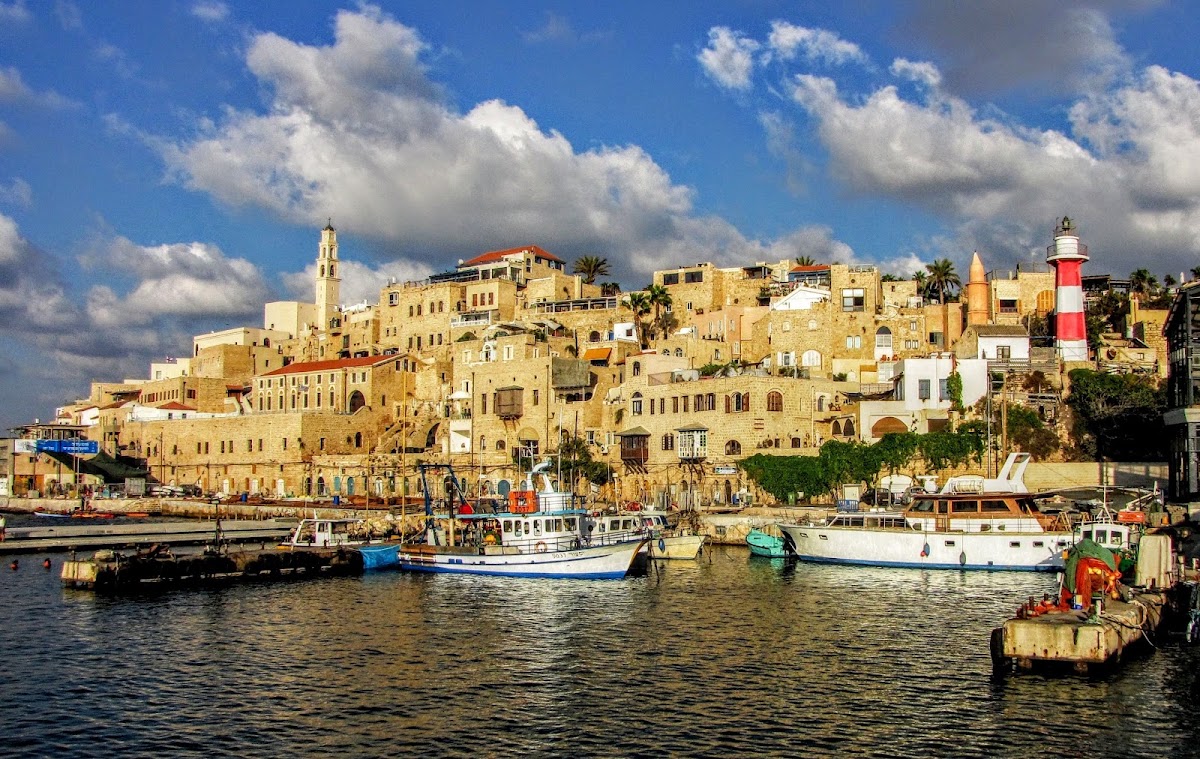
נמל יפו (Jaffa Port)
📍 Address: 1 HaMakhsan St, Nemal Yafo, Tel Aviv-Jaffa, 6803326 Israel
Jaffa Port, boasting over 4,000 years of history and considered one of the world’s oldest ports. It is a critically important biblical site, where Jonah boarded a ship to Tarshish in the Old Testament, and where Peter raised Tabitha from the dead and saw a vision on the rooftop of ‘Simon the Tanner’s house’ in the New Testament. Once a place where pilgrims and merchants converged and various empires vied for supremacy, it has now been transformed into one of Tel Aviv’s premier tourist and leisure spots, where historic stone architecture beautifully merges with modern art and culture.
The port area is bustling with stylish cafes, restaurants, and art galleries renovated from old warehouses and containers, exuding a free and relaxed atmosphere. Along the coast, a beautiful promenade stretches up to 12km, connecting to Tel Aviv Port, perfect for walks or runs while enjoying the sea breeze. The beauty of the sunset time is exceptional; leisurely spending time with a local coffee in hand, gazing at the modern Tel Aviv skyline in the distance, will be the ultimate luxury for travelers.
As a note of caution for visitors, heavy traffic and parking congestion are constant around the port, so it’s best to avoid driving directly. We recommend a relaxed walk along the coast from the city center, or accessing it by bicycle or electric scooter. The container complex often hosts fairs on weekends and free activities for children, allowing visitors to experience the vibrant local life.
The Clock Tower (Jaffa Clock Tower)
📍 Address: 14 Yefet St, Tel Aviv-Yafo, Israel
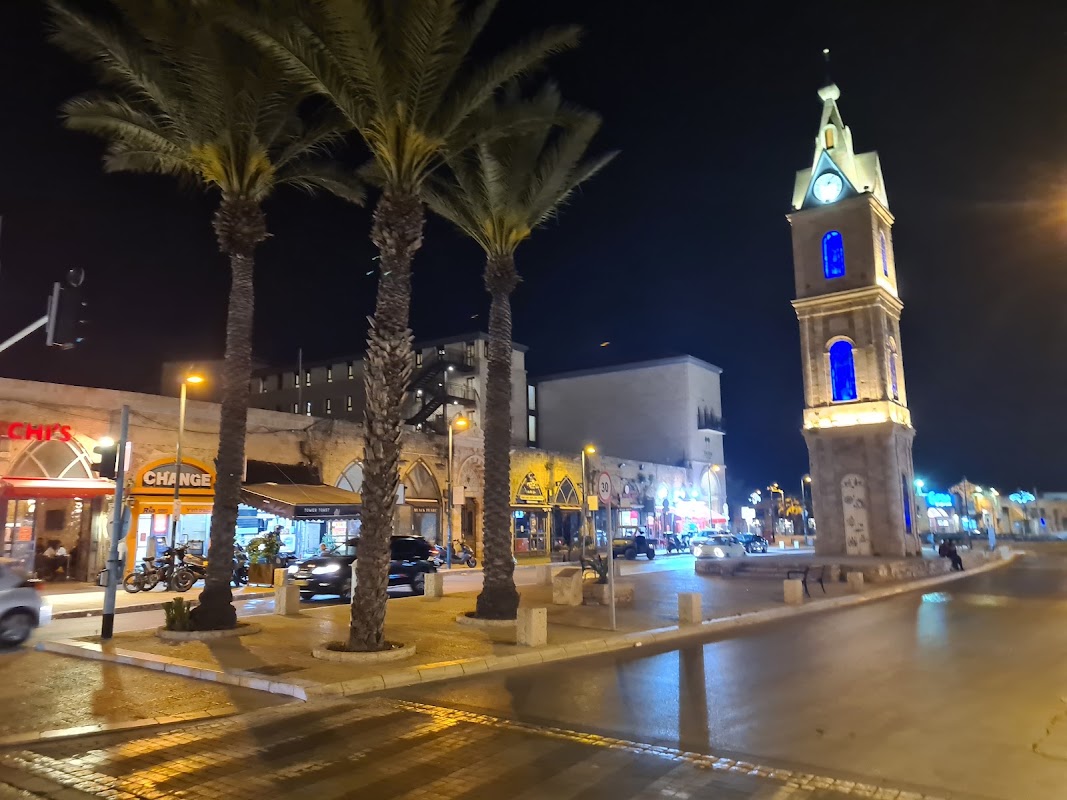
The ‘Jaffa Clock Tower’ stands proudly at the entrance to Jaffa’s Old City. This historic building was constructed in the early 1900s, commemorating the 25th anniversary of Ottoman Sultan Abdul Hamid II’s reign, with donations from local Jewish, Arab, and Armenian communities. Its beautiful European-style form, made of limestone, is a symbol of the city welcoming all who visit Jaffa, and an iconic landmark connecting Tel Aviv and Jaffa.
For travelers, this clock tower is not just a photo spot but also the ‘perfect starting point’ for exploring Jaffa. ‘Meeting at the Clock Tower’ is a classic rendezvous point even among locals. Right behind the tower, famous bakeries and local restaurants are clustered, and a short walk leads to a vibrant flea market and the beach. It’s also a rare spot with a mailbox, making it a wonderful place to send postcards as a travel memory.
Often, donation-based (tip-based) free walking tours depart from around this clock tower daily at 11 AM and 2 PM, which is a must-see for travelers wanting to easily learn about the area’s deep history. At night, it’s beautifully lit up, and during the Christmas season, a giant tree adorns the square, showcasing different romantic expressions depending on the season and time of day.
Pagoda House
📍 Address: 12-20 Nachmani St, Tel Aviv-Yafo, Israel
While Tel Aviv is famous as a hub for Bauhaus architecture (International Style), often called ‘the white rebellion’, the Pagoda House is arguably the finest masterpiece of the earlier ‘Eclectic Style’ popular in the 1920s. This building, facing the tranquil King Albert Square, was designed in 1924 by architect Alexander Levy. It features a unique, bizarrely beautiful exterior, with a roof reminiscent of an Oriental pagoda, Islamic-style arches, and Greek columns all masterfully combined.
This building is also known in Tel Aviv’s history as ‘one of the earliest houses in the city to have a private elevator’ (originally installed for the Polish ambassador living on the third floor). After a long period of neglect and dilapidation, it was bought by a Swedish investor in the 1990s and restored to its former glory after extensive renovations.
As it remains a privately owned residence, unfortunately, the interior cannot be visited. However, located in a square slightly off the busy main roads, sitting on a bench in the shade and gazing at this exotic architectural beauty while feeling the Mediterranean breeze is a blissful moment that helps forget the hustle and bustle of Tel Aviv. It’s a strongly recommended hidden gem for architecture enthusiasts and travelers seeking a unique, deeper exploration of the city.
Carmel Market (Shuk HaCarmel)
📍 Address: 35 HaCarmel St, Tel Aviv-Yafo, Israel
Carmel Market (Shuk HaCarmel) is Tel Aviv’s ‘stomach’ and the city’s largest, most chaotic, and energetic hub. Since its opening in 1920, this market has supported local life with its long main path and branching alleyways, packed with everything from fresh fruits, colorful stacks of spices, freshly baked bread, clothing, and souvenirs. The lively shouts of vendors create a bustling atmosphere reminiscent of Tokyo’s Ameyoko market.
This is also a ‘food paradise’ where you can enjoy delicious local street food at affordable prices. From freshly fried falafel pita bread to spicy shakshuka and fresh pomegranate juice, you can savor the stimulating Middle Eastern flavors while walking. Furthermore, stepping off the main street into the back alleys (especially around the Kerem HaTeimanim, or Yemenite Quarter) reveals hidden, authentic eateries frequented by locals, sparking a sense of adventure.
A crucial tip for travelers to enjoy it to the fullest is the ‘time of visit’. On Friday afternoons, the market is severely crowded with locals rushing to buy groceries before Shabbat (the Jewish Sabbath), making it almost impossible to move forward or backward. If you want to enjoy shopping leisurely or engage in bargaining, it’s best to visit on weekday mornings or late mornings. While being mindful of pickpockets and getting lost, experience the overwhelming local energy of Israel firsthand.
Menachem Begin Park
📍 Address: 16 Biranit St, Tel Aviv-Yafo, Israel
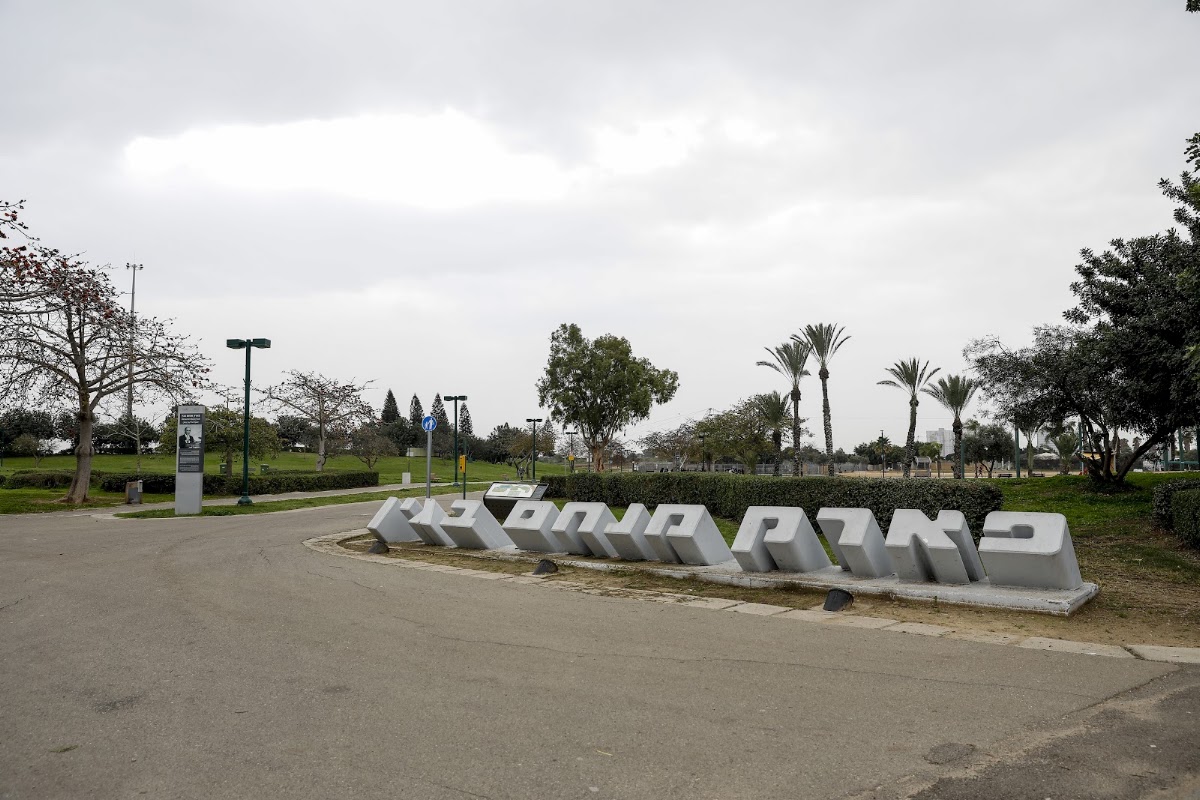
A little south from the crowded coastal area, you’ll find Tel Aviv’s urban oasis, ‘Menachem Begin Park’ (also known as Darom Park). The most distinctive feature of this vast park is the huge artificial lake (Lake TLV) within its grounds, where you can enjoy ‘waterskiing (cable wakeboarding)’. It’s a professional facility with an electric cable, where watching pro riders perform dynamic tricks is entertaining in itself, and lessons are available for beginners and children, making it a very popular activity for travelers.
Beyond water sports, the potential of this park is immeasurable. It features beautifully maintained walking paths, cycling routes for rented bikes, and hills covered with fig and almond trees, making it an ideal place to take a deep breath in nature. With barbecue areas and picnic lawns, you can catch a glimpse of real Tel Aviv daily life as locals relax with family and friends. There are animals like deer in fenced areas, and friendly ducks waddle by the water’s edge, offering a calming sight.
As a point of caution, on Saturdays and holidays, which are Israeli public holidays, the park gets extremely crowded with families enjoying barbecues, filling up the parking lots. Also, at night, it can get noisy with music events, so if you wish to spend quietly sitting on a bench by the water, gazing at the sky, or watching planes fly overhead, visiting on a weekday during the day or early evening is strongly recommended.
Tel Aviv Walking Tour Essentials and Summary
The greatest charm of Tel Aviv and Jaffa’s tourist attractions is the seamless connection between ancient ruins with thousands of years of history and a free, vibrant modern lifestyle. Within a single day, you can experience stark contrasts: walking on the heavy cobblestones of the Old City, devouring bustling street food at Carmel Market a few minutes later, and watching the beautiful sunset over the Mediterranean in the evening.
A crucial aspect to always be aware of when traveling in Israel is the existence of ‘Shabbat’ (the Sabbath). From sunset on Friday until sunset on Saturday, public transportation stops, and many shops close. Therefore, on Friday mornings and afternoons, everywhere is exceptionally bustling and crowded with people doing their shopping. To leisurely visit markets and popular tourist spots, being mindful of the day of the week and flexibly planning your schedule is the biggest secret to wisely enjoying Tel Aviv.


'%3E%3Cpath%20stroke='%23000'%20stroke-width='4'%20d='m-35-37-13%2020m5%203%2013-20m5%203-13%2020m63%2042%206-9m1-2%206-9m5%203-6%209m-1%202-6%209m5%203%206-9m1-2%206-9m-96%200%2013%2020m5-3-6-9m-1-2-6-9m5-3%2013%2020m63-42-6-9m-1-2-6-9m5-3%2013%2020m5-3-6-9m-1-2-6-9'/%3E%3Ccircle%20r='24'%20fill='%23cd2e3a'/%3E%3Cpath%20fill='%230047a0'%20d='M0%200a12%2012%200%201%201%2020%2013%2024%2024%200%201%201-40-26A12%2012%200%201%200%200%200'/%3E%3C/g%3E%3C/svg%3E)
'/%3E%3Cpath%20fill='%23b2b2b2'%20d='M241%20382q0%2016%2017%2026%2017%2011%2042%2011t42-11q16-11%2017-26V269H241'/%3E%3Cpath%20fill='%239f7e00'%20d='M241%20379q0%2014%208%2023%209%209%2021%209%2014%200%2021-9%209-9%209-23V269h-59'/%3E%3Cpath%20d='M241%20339v-70h59v110q0%2014-9%2023l-6%205v-68h-15v72q-8%200-14-4v-68zm59%2040c0%2022%2015%2032%2029%2032%2021%200%2030-18%2030-32v-40h-59'/%3E%3Cpath%20fill='%239f7e00'%20d='M266%20277v5h2v12h-3v-5h2v-5h-9v5h2v5h-4v9h3v18h-5v10h34v-10h-5v-18h3v-9h-4v-5h2v-5h-9v5h2v5h-3v-12h2v-5zm42%20101q0%2010%206%2017%206%206%2015%207%2010-1%2016-7%206-7%206-17v-29h-43'/%3E%3Ccircle%20fill='%230044ad'%20cx='329.5'%20cy='372'%20r='6'/%3E%3Cellipse%20fill='%230044ad'%20cx='300'%20cy='340'%20rx='16'%20ry='21'/%3E%3C/svg%3E)


