

The Heart of Malaga Tourism! Exploring a City Where History and Art Intersect
Malaga, a port city in southern Spain’s Andalusia region, basks in abundant sunshine. Beyond its reputation as a beautiful Mediterranean resort, it’s a captivating city with a rich, layered history, known for its majestic Islamic architecture from ancient rule and as the birthplace and childhood home of the brilliant artist Pablo Picasso.
This guide curates four essential attractions in Malaga that every visitor, from short-term travelers to long-term residents, absolutely must experience. We’ll go beyond textbook facts, offering real-world insights into efficient routes, local tips, and often-overlooked deeper highlights.
Alcazaba of Malaga
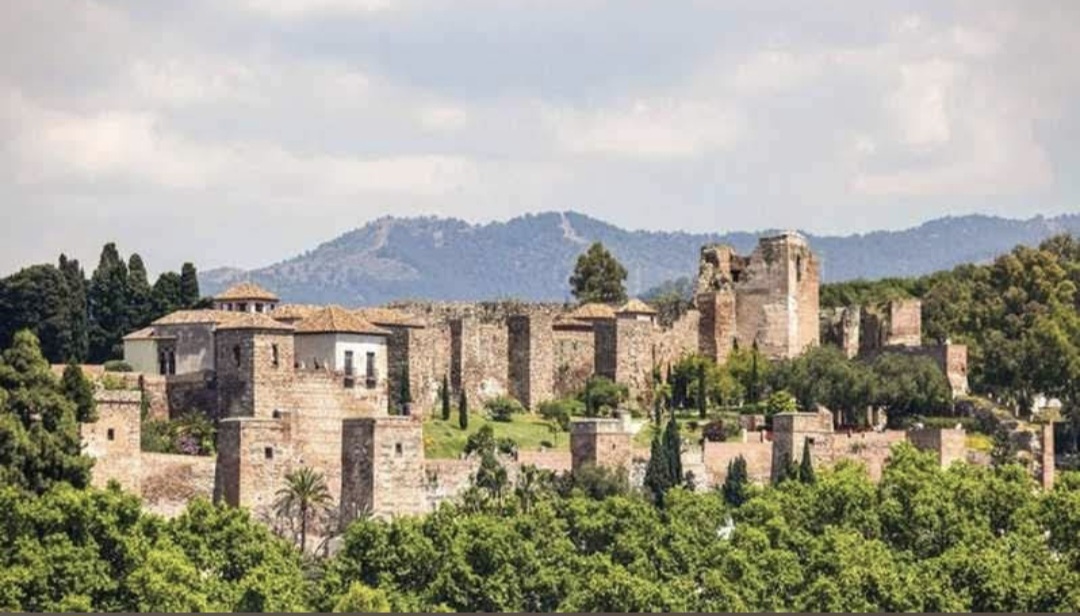
📍 Address: C/ Alcazabilla, 2, Distrito Centro, 29012 Málaga, Spain
Perched majestically overlooking the city, the ‘Alcazaba of Malaga’ is a landmark tourist attraction, built in the 11th century during the Islamic Hamudid dynasty upon the foundations of a Roman fortress. Often called the ‘Mini Alhambra,’ its interior features exquisitely decorated palaces in Islamic style and beautiful courtyards crisscrossed with water channels, allowing visitors to glimpse the opulence of its past.
While the interior architecture is splendid, the greatest appeal is undoubtedly the views from within. From its viewpoints, you can enjoy a magnificent panorama of Malaga’s beautiful harbor, the distinctive bullring, and the Mediterranean Sea. The climb up the steep slopes can be tiring, but the boundless vistas will surely make you forget your exertion.
Additionally, just outside the fortress walls, there’s a unique photo spot: a monument with the large letters ‘MALAGA’. The ‘L’ is open, allowing you to become the ‘L’ yourself for a memorable photo. It’s often free and accessible, so be sure to stop by!
Gibralfaro Castle
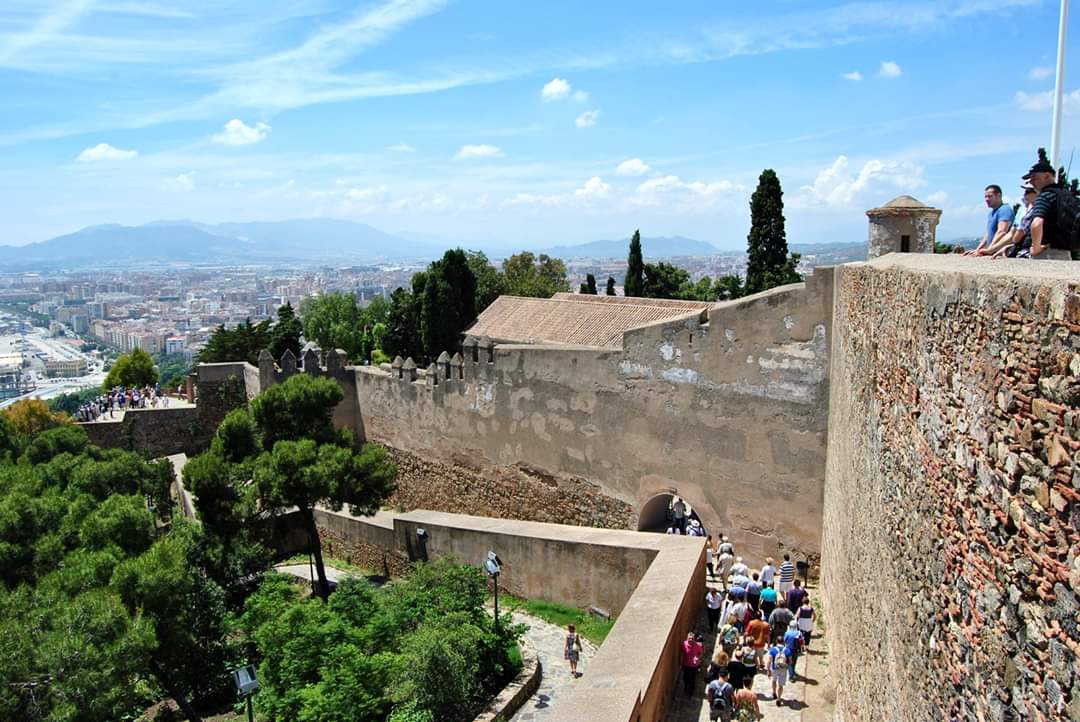
📍 Address: Cam. Gibralfaro, 11, Distrito Centro, 29016 Málaga, Spain
Perched even higher up from the Alcazaba, on the summit of Mount Gibralfaro, stands the imposing ‘Gibralfaro Castle’. Expanded in the 14th century as a military fortress to protect the Alcazaba, this citadel, whose name means ‘Lighthouse Mountain’, was renowned as one of the most impregnable castles on the Iberian Peninsula.
Purchasing a combined ticket (approx. 5.5 euros) for both the Alcazaba and Gibralfaro Castle is a popular route for travelers. After exploring the Alcazaba, exit and then walk up a paved slope for about 30 minutes to reach the castle. The path has little shade and can be physically demanding, so be sure to wear comfortable sneakers and bring water. At the top, a breathtaking 360-degree panoramic view awaits, overlooking the city of Malaga and the Bay of Costa del Sol (Sun Coast).
Visiting during spring or early autumn, when a pleasant breeze blows, is particularly delightful. While the castle itself has few exhibits, the unique experience of walking a full circle atop its well-preserved walls is a true highlight. Entry is often free after 2 PM on Sundays, so timing your visit strategically can be a smart move.
Picasso Museum Malaga
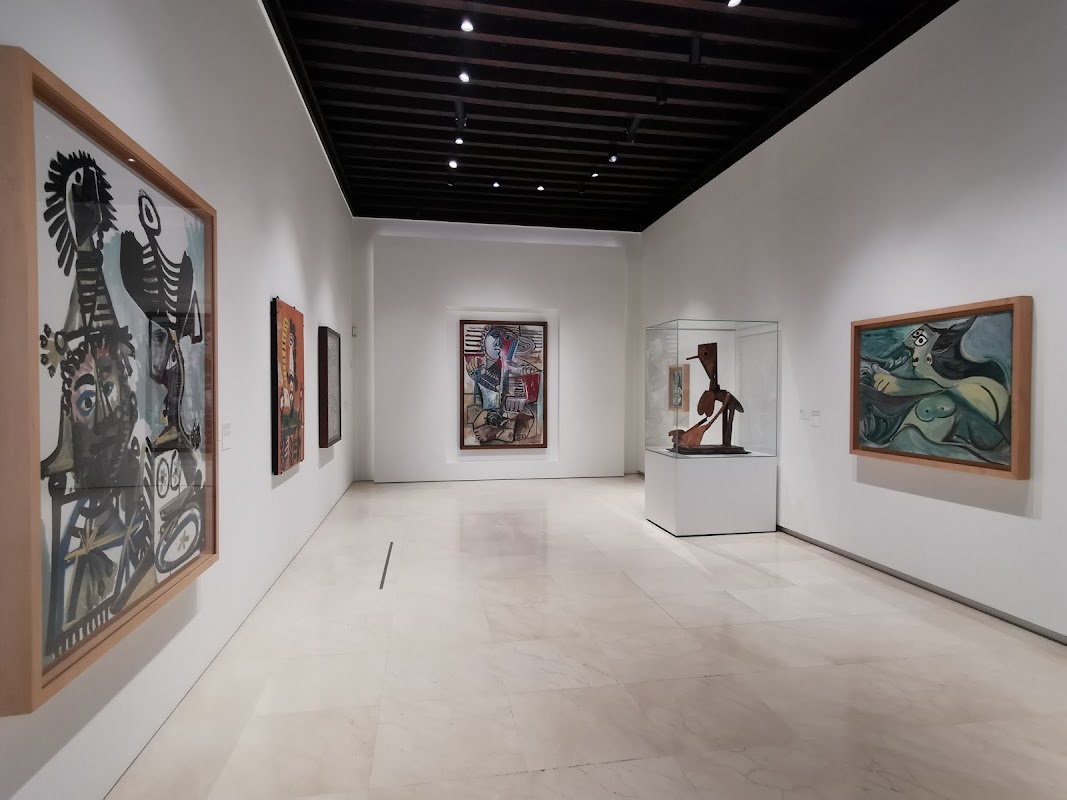
📍 Address: Palacio de Buenavista, C. San Agustín, 8, Distrito Centro, 29015 Málaga, Spain
Malaga is the birthplace of Pablo Picasso, the greatest artist of the 20th century. Housed in the renovated 16th-century Renaissance palace, ‘Palacio de Buenavista’, the Picasso Museum Malaga features an extensive collection, from his early works during his Malaga boyhood to masterpieces from his later years, encompassing not only paintings but also prints, sculptures, and ceramics.
As Malaga’s most popular attraction, advance ticket booking is highly recommended. However, even with a timed online ticket, long queues of up to an hour can form, especially right after opening or on weekends. Arriving well before opening or aiming for the relatively less crowded afternoon (e.g., after 2 PM) increases your chances of smooth entry.
A useful insider tip for visitors is how to set up the audio guide. After receiving the audio guide device (included in the ticket price), before scanning your entry ticket, simply touch the device to the Japanese flag symbol on the wall. This will automatically switch to Japanese, allowing you to understand the genius Picasso’s journey more deeply and without stress.
Malaga Cathedral (Catedral de la Encarnación)
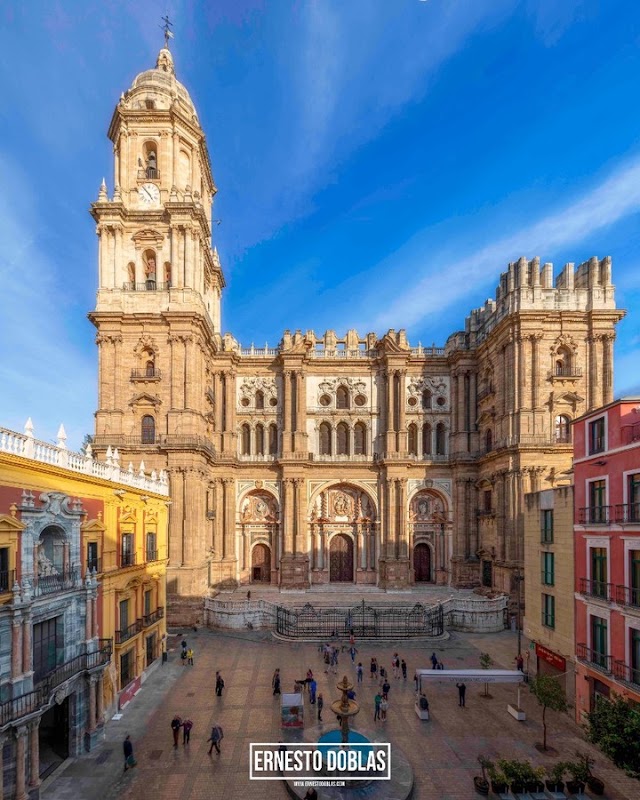
📍 Address: C. Molina Lario, 9, Distrito Centro, 29015 Málaga, Spain
Soaring in the heart of Malaga, the ‘Catedral de la Encarnación’ (Malaga Cathedral) is a magnificent edifice whose construction began in the early 16th century on the site of a former mosque. Due to lack of funds (reportedly partly due to contributions to the American Revolutionary War), construction ceased before the south tower was completed, earning it the affectionate local nickname ‘La Manquita’ (‘The One-Armed Lady’).
While its asymmetrical exterior possesses a unique beauty, the interior decoration is simply breathtaking. A stunning fusion of Renaissance and Gothic styles, it features awe-inspiring artworks, including the delicate wooden choir stalls by Pedro de Mena. Exploring the various altars with an audio guide (not available in Japanese, but an English version is provided) makes an hour fly by, such is the richness of its offerings.
Furthermore, don’t miss the guided rooftop tour, available for an additional fee (totaling 10 euros for entry + rooftop access). The rooftop ascent tour is time-slotted, with assembly in a small garden square immediately to the left after exiting the ticket office. From the cathedral’s rooftop, after ascending the stairs, you’ll be treated to a spectacular 360-degree panoramic view of Malaga. It’s highly recommended on a clear day.
Local Tips for Maximizing Your Malaga Experience
To efficiently visit Malaga’s attractions, the key is to strategically use the Spanish custom of ‘siesta’ (afternoon break). While many independently owned shops and some restaurants close from around 2 PM to 5 PM, major tourist sites like the Alcazaba, the Cathedral, and the Picasso Museum remain open during siesta. By intentionally dedicating this quieter time to exploring the cathedral’s interior or visiting museums, you can immerse yourself in art and history without wasted time.
While Malaga’s tourist areas are compactly arranged, scenic spots like castles and fortresses often involve cobblestone streets, steep slopes, and many stairs. Therefore, comfortable walking shoes and sun protection (hat, sunglasses, water) are essential year-round. Prepare thoroughly and fully savor the cheerful atmosphere of Andalusia.


'%3E%3Cpath%20stroke='%23000'%20stroke-width='4'%20d='m-35-37-13%2020m5%203%2013-20m5%203-13%2020m63%2042%206-9m1-2%206-9m5%203-6%209m-1%202-6%209m5%203%206-9m1-2%206-9m-96%200%2013%2020m5-3-6-9m-1-2-6-9m5-3%2013%2020m63-42-6-9m-1-2-6-9m5-3%2013%2020m5-3-6-9m-1-2-6-9'/%3E%3Ccircle%20r='24'%20fill='%23cd2e3a'/%3E%3Cpath%20fill='%230047a0'%20d='M0%200a12%2012%200%201%201%2020%2013%2024%2024%200%201%201-40-26A12%2012%200%201%200%200%200'/%3E%3C/g%3E%3C/svg%3E)
'/%3E%3Cpath%20fill='%23b2b2b2'%20d='M241%20382q0%2016%2017%2026%2017%2011%2042%2011t42-11q16-11%2017-26V269H241'/%3E%3Cpath%20fill='%239f7e00'%20d='M241%20379q0%2014%208%2023%209%209%2021%209%2014%200%2021-9%209-9%209-23V269h-59'/%3E%3Cpath%20d='M241%20339v-70h59v110q0%2014-9%2023l-6%205v-68h-15v72q-8%200-14-4v-68zm59%2040c0%2022%2015%2032%2029%2032%2021%200%2030-18%2030-32v-40h-59'/%3E%3Cpath%20fill='%239f7e00'%20d='M266%20277v5h2v12h-3v-5h2v-5h-9v5h2v5h-4v9h3v18h-5v10h34v-10h-5v-18h3v-9h-4v-5h2v-5h-9v5h2v5h-3v-12h2v-5zm42%20101q0%2010%206%2017%206%206%2015%207%2010-1%2016-7%206-7%206-17v-29h-43'/%3E%3Ccircle%20fill='%230044ad'%20cx='329.5'%20cy='372'%20r='6'/%3E%3Cellipse%20fill='%230044ad'%20cx='300'%20cy='340'%20rx='16'%20ry='21'/%3E%3C/svg%3E)


