

Must-Visit Tourist Spots in Gifu Prefecture! Embark on a Deep Journey Woven with History and Nature
Gifu Prefecture is located almost in the center of Japan. Its northern part, the Hida region, boasts the Northern Alps with peaks reaching 3,000m, while the southern Mino region is graced by the three Kiso Rivers. Each area presents a vastly different face of grand nature. Furthermore, the prefecture offers endless cultural attractions, including historic townscapes that vividly retain the atmosphere of the Edo period and traditional crafts passed down through generations.
For travelers visiting Gifu Prefecture, we’ve carefully selected five must-see tourist spots. This isn’t just a catalog; we passionately provide a thorough explanation, including deep historical backgrounds unique to each location, lesser-known highlights, and practical tips based on ‘what it’s actually like to visit.’ We hope this serves as a valuable reference for your next trip to Gifu!
Yoro Falls
📍 Address: 1298-2 Takabayashi, Yoro-cho, Yoro-gun, Gifu 503-1267, Japan
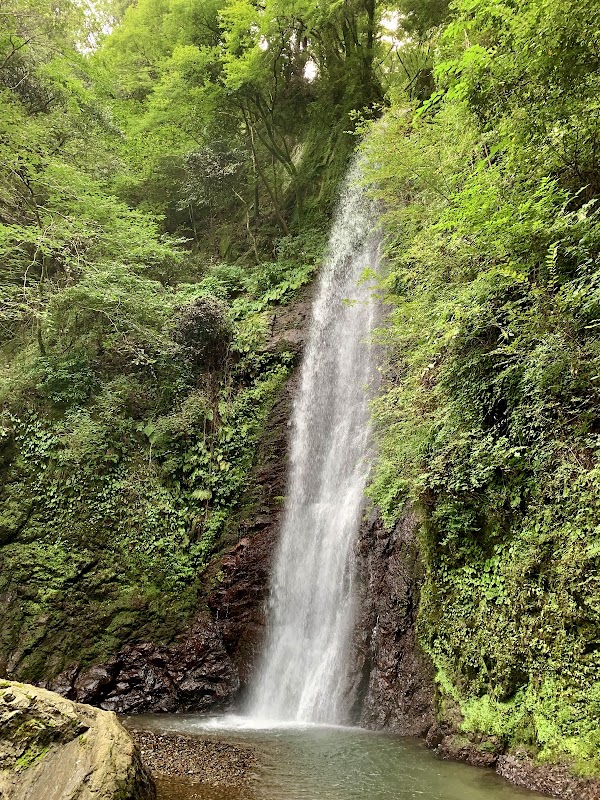
‘Yoro Falls’, selected as one of ‘Japan’s Top 100 Waterfalls’, is a magnificent waterfall boasting a height of 30m and a width of approximately 4m. The sight of crystal-clear water cascading down the rocky face is powerful and captivating, attracting many travelers as a spectacular spot that harmonizes with the seasonal beauty of cherry blossoms in spring, fresh greenery in early summer, and vibrant autumn leaves.
Indispensable to the story of this waterfall is the ‘Yoro Filial Piety Legend’. It’s a heartwarming tale from ancient times about a devoted son who wished to give his elderly father sake; miraculously, sake welled up from a spring in the rocks, and after drinking it, his father regained his youth. Impressed by this legend, Empress Gensho changed the era name to ‘Yoro’ in 717, giving it a profound historical background. ‘Kikusui Spring’ near the falls is one of Japan’s Top 100 Exquisite Waters, said to have beautified the skin of the Empress when she bathed in it, and it still gushes pure water today.
When visiting, knowing ‘how to choose parking’ is essential. The mountaintop parking lot, which takes you very close to the falls, is charged (1,000 yen), and the narrow road can be a bit challenging for inexperienced drivers. On the other hand, the parking lot at the foot of the mountain is free, and from there, it’s about a 15-20 minute hike to the falls. The path has a slight incline, but walking while enjoying the murmuring stream and fresh air is a special experience. Stopping for local specialties like ‘dango’ (dumplings) or ‘mochi’ (rice cakes) along the way, or taking a break at a stylish cafe, is also delightful. We highly recommend visiting in comfortable sneakers and taking a leisurely stroll from the base.
Hirayu Great Falls
📍 Address: Hirayu Onsen, Okuhida Onsengo, Takayama, Gifu 506-1433, Japan
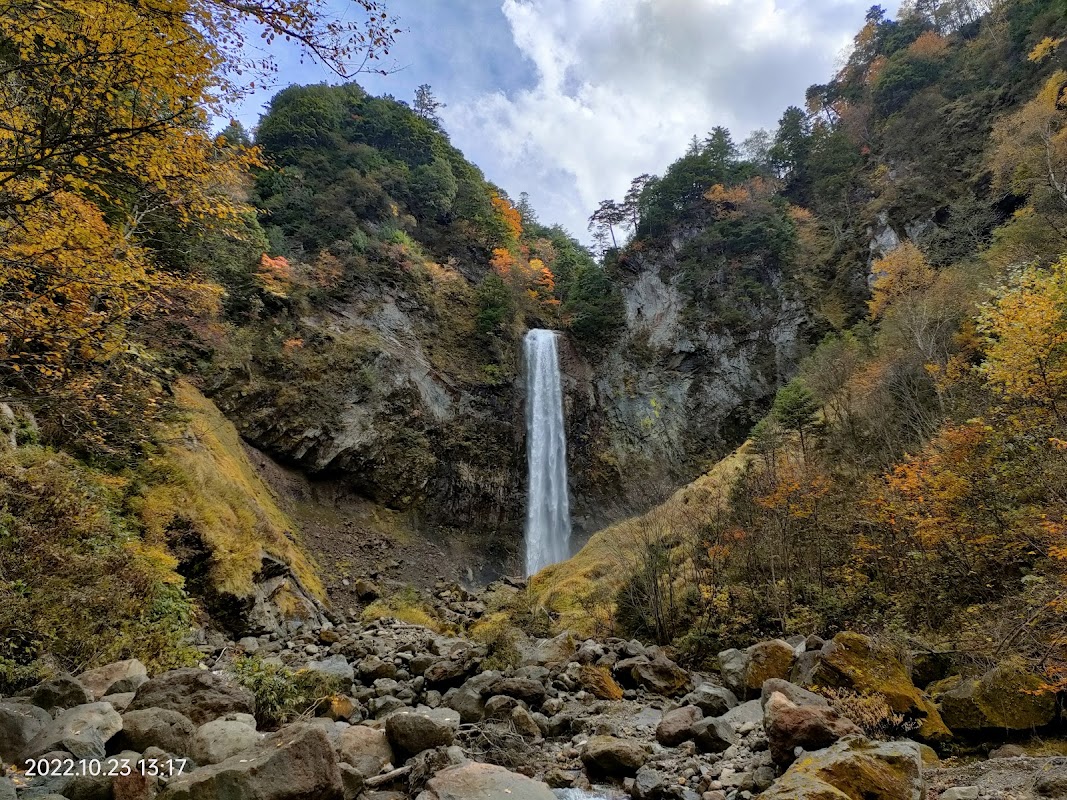
‘Hirayu Great Falls’ is located very close to Hirayu Onsen, one of the Okuhida hot springs villages. Boasting an overwhelming scale with a drop of 64m and a width of 6m, it’s a magnificent waterfall counted among the ‘Three Great Waterfalls of Hida’ and ‘Japan’s Top 100 Waterfalls’. Just a short walk along the promenade from the parking lot, the powerful direct cascade, roaring as it plunges, will leap into view.
The charm of this waterfall lies in its completely different expressions throughout the seasons. In May, during the season of fresh greenery when snowmelt peaks, splashes rich in negative ions dance in the air, allowing you to experience a natural mist shower. Then, in winter (around February each year), the entire waterfall freezes due to the severe sub-zero temperatures, transforming into a massive wall of ice columns. Coinciding with this period, the ‘Hirayu Great Falls Ice Festival’ is held, and the fantastical sight of the pale blue shimmering ice waterfall illuminated at night is absolutely worth seeing.
When approaching near the basin, you can cross a bridge to get up close, but during periods of high water volume, you’ll be drenched by considerable spray, so if you prefer to stay dry, it’s safer to admire it from a distance. The serene forest air combined with the powerful grandeur of the waterfall creates a divine space, perfect for healing daily fatigue and refreshing mind and body. Its easy accessibility, allowing a casual stop during a camping or hot spring trip in Okuhida, is another welcome advantage.
Hida Great Limestone Cave
📍 Address: 1147 Hio, Nyukawa-cho, Takayama, Gifu 506-2256, Japan
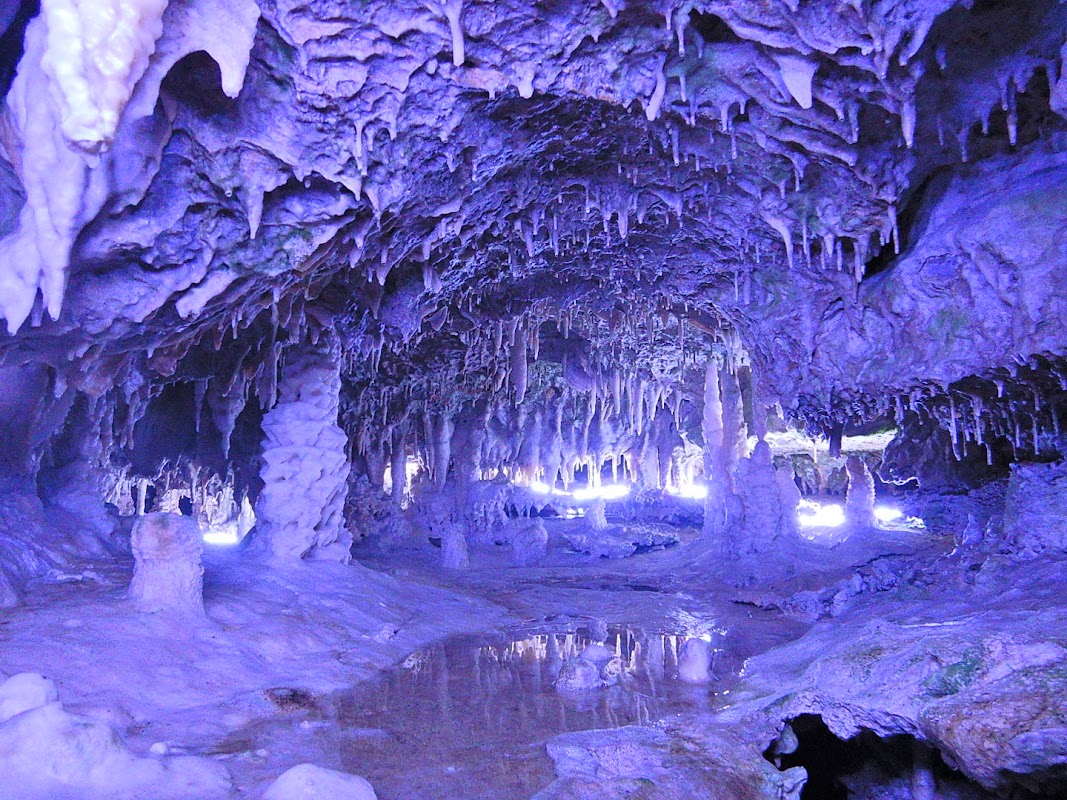
‘Hida Great Limestone Cave’, which suddenly appears on the way from Hida Takayama to Okuhida Onsen-kyo, is Japan’s highest-altitude tourist cave, situated at an elevation of 900m. This natural sculpture, formed over approximately 250 million years when this area was still at the bottom of the sea, evokes the romance of ancient Earth. The ‘helictites’, stalactites that twist and hang left and right, said to be found only here among Japan’s caves, are a must-see.
The average annual temperature inside the cave is about 12 degrees Celsius. In summer, it offers such a refreshing coolness that you might even want a down jacket, making it a perfect escape from the heat, while in winter, it surprisingly feels warmer than outside. The route, extending approximately 800m, has separate exits for Sections 1, 2, and 3, and as you proceed deeper, the number of stairs and steep slopes increases. Thus, it’s kindly designed so that those with less confidence in their physical stamina can exit midway. Moreover, it’s one of the few places in Japan where pets are allowed (manners such as leash use are required), an unmissable attraction for dog-loving travelers.
And just as (or even more) astonishing as the limestone cave itself is the adjacent ‘Ohashi Collection Hall’. Displayed here are countless artworks, ornaments, and fossils from around the world, collected by Gyokichi Ohashi, the cave’s discoverer. Visitors often exclaim, ‘This alone is worth the admission fee!’ It’s a truly deep spot where you can experience two wonders simultaneously: the natural beauty of the cave and an overwhelmingly vast private collection.
Udatsu-Lined Historic Townscape
📍 Address: 1959-1 Kajiya-cho, Mino, Gifu 501-3701, Japan
The ‘Udatsu-Lined Historic Townscape’ in Mino City, Gifu Prefecture, is a nationally designated ‘Important Preservation District for Groups of Traditional Buildings,’ where merchant houses built from the Edo to Meiji periods are beautifully preserved. An ‘udatsu’ (卯建) refers to a fire wall built at both ends of a roof. Constructing these was costly, so they became a symbol of wealth and success, and are the origin of the Japanese phrase ‘udatsu ga agaranai’ (literally ‘udatsu won’t rise’), meaning one isn’t successful or making progress.
The greatest feature of this townscape is the superb beauty of its preserved scenery. With power lines buried underground, there are no utility poles or obstructions to the sky, allowing the impressive rooflines and delicate lattice door designs to stand out clearly. It’s highly regarded as a ‘hidden gem’ where you can slowly and quietly savor traditional Japanese beauty, as it’s not overly commercialized and has few shops solely catering to foreign tourists. It’s an ideal place for a leisurely stroll with a camera in hand.
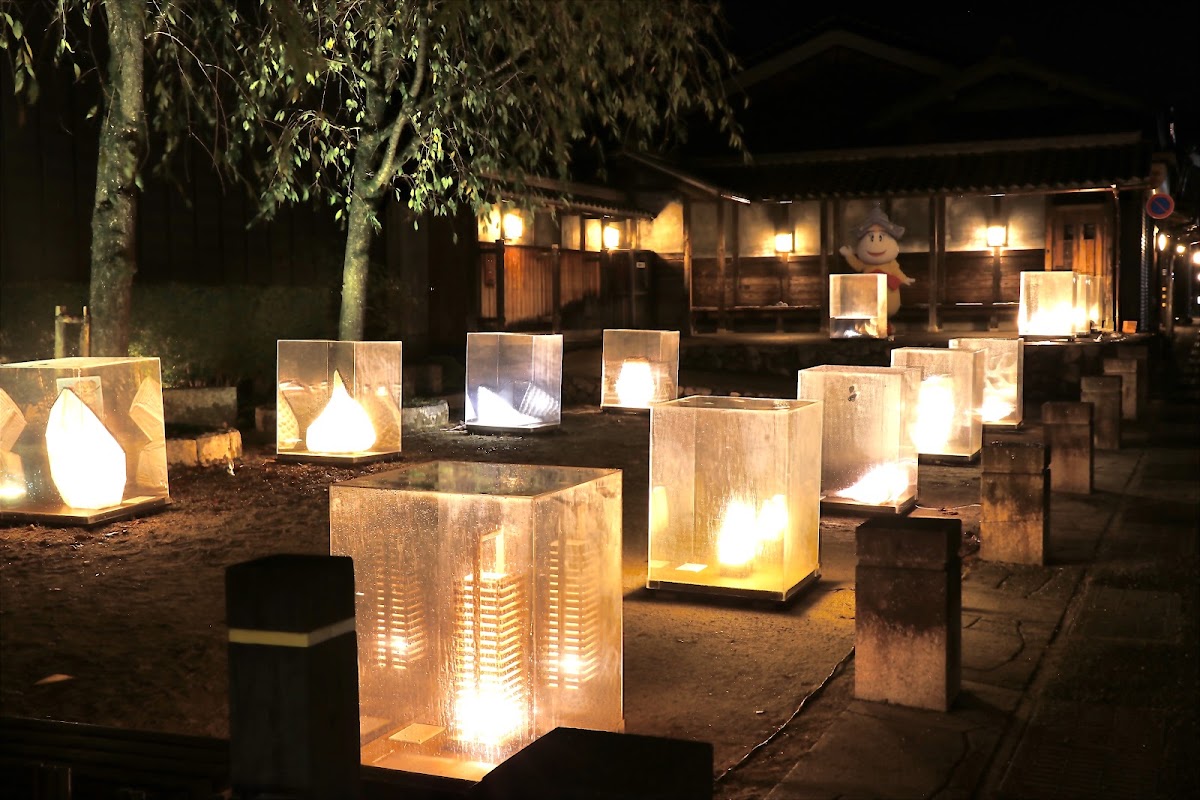
Mino City is also known as the production center of ‘Mino Washi’ (Japanese paper), which boasts a history of 1300 years. Along the streets, you’ll find charming shops selling beautiful sundries made from washi, retro tea cafes renovated from old folk houses, and local sake breweries. At dusk, the warm light of washi lanterns gently illuminates the townscape, creating an even more nostalgic atmosphere. It’s an emotionally rich tourist spot for adults, where you can feel the breath of history in the tranquility, perhaps even wishing ‘to raise your own udatsu’ (to achieve success).
Takayama Jinya
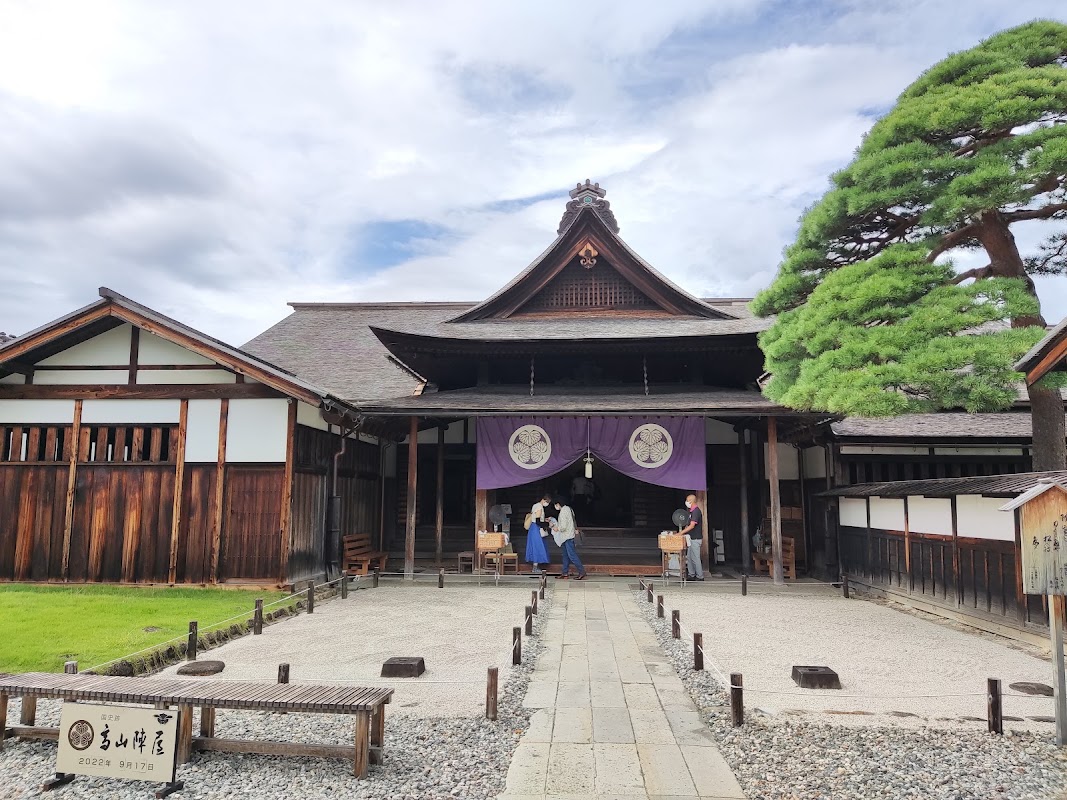
📍 Address: 1-5 Hachiken-machi, Takayama, Gifu 506-0012, Japan
‘Takayama Jinya’ is a historical building that you absolutely cannot miss when sightseeing in Hida Takayama. It served as the administrative headquarters during the Edo period to govern Hida Province, which was a direct territory (tenryo) of the Shogunate. Among the approximately 60 jinya nationwide, this is astonishingly the only one where the main buildings remain intact from that era. It is an extremely valuable National Historic Site.
The interior of the jinya is divided into three areas: the ‘Oyasho’ where magistrates and district administrators conducted official duties, the ‘Yakutaku’ which served as living quarters, and the massive ‘Okura’ (rice granary) where tax rice was stored. The Okura, built in the 1600s, boasts one of Japan’s longest histories and is now open to the public as a valuable museum showcasing Hida’s history. It’s also enjoyable to look for the Edo period craftsmanship and designs scattered throughout, such as the beautiful ‘seigaiha’ (waves) wallpaper and the ‘mamuki usagi’ (facing rabbit) nail covers.
The facility has a well-maintained one-way route, allowing you to cover all highlights without getting lost. Given the extensive volume of exhibits, it’s best to allocate about an hour for a thorough visit. Additionally, the ‘Jinya-mae Morning Market’ is held every morning in the square in front of the jinya, where you can enjoy shopping for fresh vegetables, fruits, and pickles brought by local farmers. It’s also within walking distance of the Old Town area, so visiting both together allows you to experience the history and culture of Hida Takayama even more deeply.
Embark on a Journey to Gifu, Where History and Nature Intersect
So, what do you think? In Gifu Prefecture, the powerful sculptural beauty of grand nature and historical landscapes preserved by human endeavors coexist in exquisite balance. By not just viewing the scenery but also learning about the hidden legends and the wisdom of our ancestors, your travel experience will be greatly enriched.
Magnificent waterfalls that reveal completely different faces each season, mysterious limestone caves that hold ancient memories, and old townscapes that make you feel like you’ve time-traveled with every step. This next holiday, why not put on some comfortable walking shoes and embark on a journey to discover the profound charm of Gifu Prefecture?


'%3E%3Cpath%20stroke='%23000'%20stroke-width='4'%20d='m-35-37-13%2020m5%203%2013-20m5%203-13%2020m63%2042%206-9m1-2%206-9m5%203-6%209m-1%202-6%209m5%203%206-9m1-2%206-9m-96%200%2013%2020m5-3-6-9m-1-2-6-9m5-3%2013%2020m63-42-6-9m-1-2-6-9m5-3%2013%2020m5-3-6-9m-1-2-6-9'/%3E%3Ccircle%20r='24'%20fill='%23cd2e3a'/%3E%3Cpath%20fill='%230047a0'%20d='M0%200a12%2012%200%201%201%2020%2013%2024%2024%200%201%201-40-26A12%2012%200%201%200%200%200'/%3E%3C/g%3E%3C/svg%3E)
'/%3E%3Cpath%20fill='%23b2b2b2'%20d='M241%20382q0%2016%2017%2026%2017%2011%2042%2011t42-11q16-11%2017-26V269H241'/%3E%3Cpath%20fill='%239f7e00'%20d='M241%20379q0%2014%208%2023%209%209%2021%209%2014%200%2021-9%209-9%209-23V269h-59'/%3E%3Cpath%20d='M241%20339v-70h59v110q0%2014-9%2023l-6%205v-68h-15v72q-8%200-14-4v-68zm59%2040c0%2022%2015%2032%2029%2032%2021%200%2030-18%2030-32v-40h-59'/%3E%3Cpath%20fill='%239f7e00'%20d='M266%20277v5h2v12h-3v-5h2v-5h-9v5h2v5h-4v9h3v18h-5v10h34v-10h-5v-18h3v-9h-4v-5h2v-5h-9v5h2v5h-3v-12h2v-5zm42%20101q0%2010%206%2017%206%206%2015%207%2010-1%2016-7%206-7%206-17v-29h-43'/%3E%3Ccircle%20fill='%230044ad'%20cx='329.5'%20cy='372'%20r='6'/%3E%3Cellipse%20fill='%230044ad'%20cx='300'%20cy='340'%20rx='16'%20ry='21'/%3E%3C/svg%3E)


