
![Aomori Prefecture’s Top 5 Tourist Attractions [2026 Update]! Best Times to Visit and Real Highlights Travelers Should Know](https://images.unsplash.com/photo-1714999667643-d811c009309e?crop=entropy&cs=tinysrgb&fit=max&fm=jpg&ixid=M3w5MDExNDh8MHwxfHNlYXJjaHwxfHxBb21vcmklMjBIaXJvc2FraSUyMGNhc3RsZSUyMHNwcmluZ3xlbnwwfDB8fHwxNzgyMzYzNjg5fDA&ixlib=rb-4.1.0&q=80&w=1080 "Aomori Prefecture’s Top 5 Tourist Attractions [2026 Update]! Best Times to Visit and Real Highlights Travelers Should Know")
Aomori Prefecture’s Tsugaru area (Hirosaki, Tsuruta, Fukaura) is a treasure trove of attractions, boasting existing castle keeps, traditional culture, and untouched, magnificent nature. However, with spots scattered across a vast area, practical information like ‘What’s the best time to visit?’ and ‘What’s the current real-time situation?’ is essential.
This article introduces 5 carefully selected must-see tourist attractions in Aomori Prefecture, perfect for both short-term visitors and those who want to explore in depth. We’ll provide a thorough explanation, including the latest construction status for 2026 and unique, local ways to enjoy each spot!
Tsugaru Neputa Village
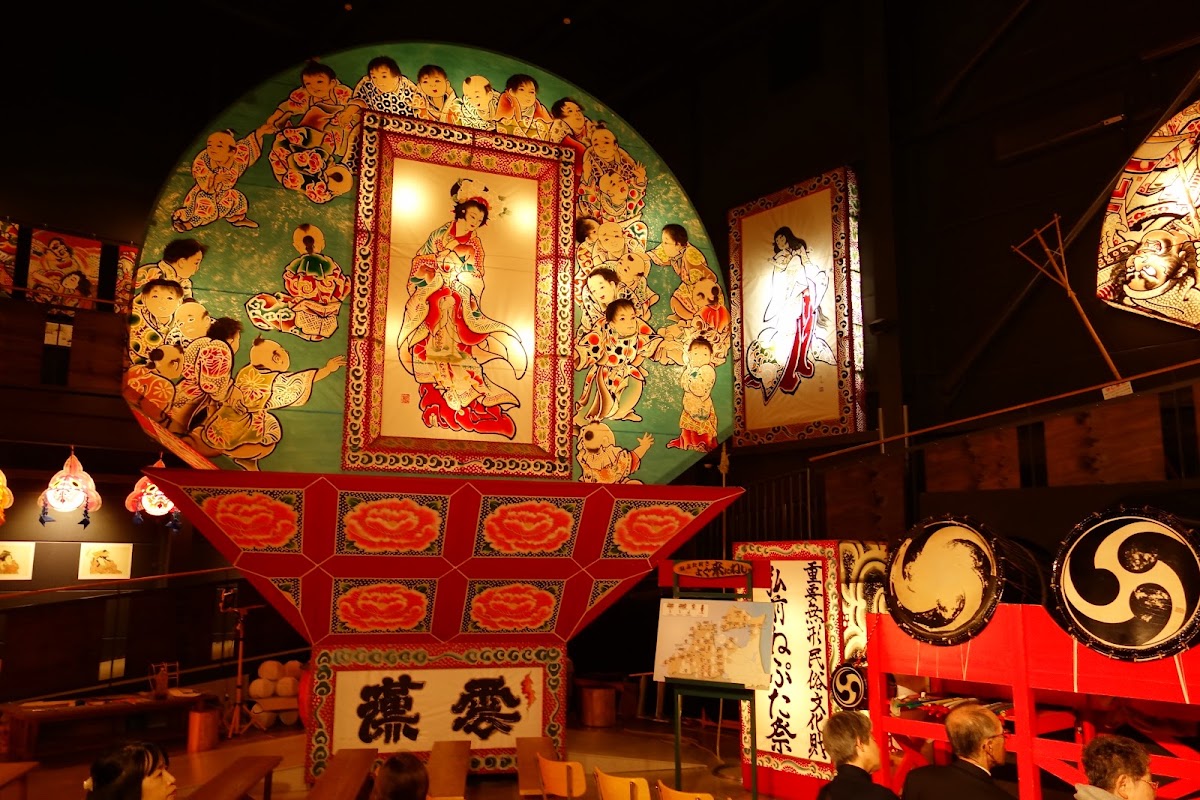
📍 Address: 61 Kameko-machi, Hirosaki, Aomori 036-8332, Japan
Located right next to Hirosaki Castle, ‘Tsugaru Neputa Village’ is a facility brimming with energy, offering a one-stop experience of Aomori’s traditional culture. Upon entering, visitors are immediately struck by giant Hirosaki Neputa floats, towering tens of meters high, overwhelming with their colors and scale.
The biggest advantage of visiting here is experiencing live performances of ‘Ohayashi’ (festival music) and ‘Tsugaru Shamisen’ year-round. The Tsugaru Shamisen performance is a must-hear; from the front row, you can feel the thick strings reverberate through the air, creating a powerful, resonant experience. If you’re lucky, you might even catch an exquisite performance by a former champion.
Furthermore, the staff’s hospitality is exceptional, offering explanations in multiple languages including English and Chinese, making it highly recommended for international tourists. Beyond just viewing, visitors can also engage with local culture firsthand through activities like painting goldfish neputa or experiencing shamisen playing (advance reservation required), which adds to its appeal.
Hirosaki Castle
📍 Address: 1-1 Shirogane-cho, Hirosaki, Aomori 036-8356, Japan
As one of the ’12 Existing Castle Keeps’ remaining from the Edo period, Hirosaki Castle is a representative masterpiece of the Tohoku region. The single most important thing travelers ‘absolutely must know’ when visiting Hirosaki Castle is that it is currently undergoing massive stone wall repair work, said to be a once-in-a-century project.
In fact, in 2015, a ‘Hikiya’ (moving of a building without dismantling it) was performed, relocating the castle tower itself. From July 2026, the ‘Hiki-modoshi’ (returning of the tower) work to move the keep back to its original location will finally begin. Therefore, observing the temporary placement of the keep within the main bailey and the stone wall restoration from the observation deck is a privilege unique to this period.
While access to the interior of the castle tower is currently suspended for seismic reinforcement and other reasons, experiencing the spirit of such a grand project – ‘a historic castle physically moving’ – offers a different kind of profound impression compared to seeing a completed castle. Even for those not avid castle enthusiasts, the impressive construction scene is well worth a look.
Hirosaki Park
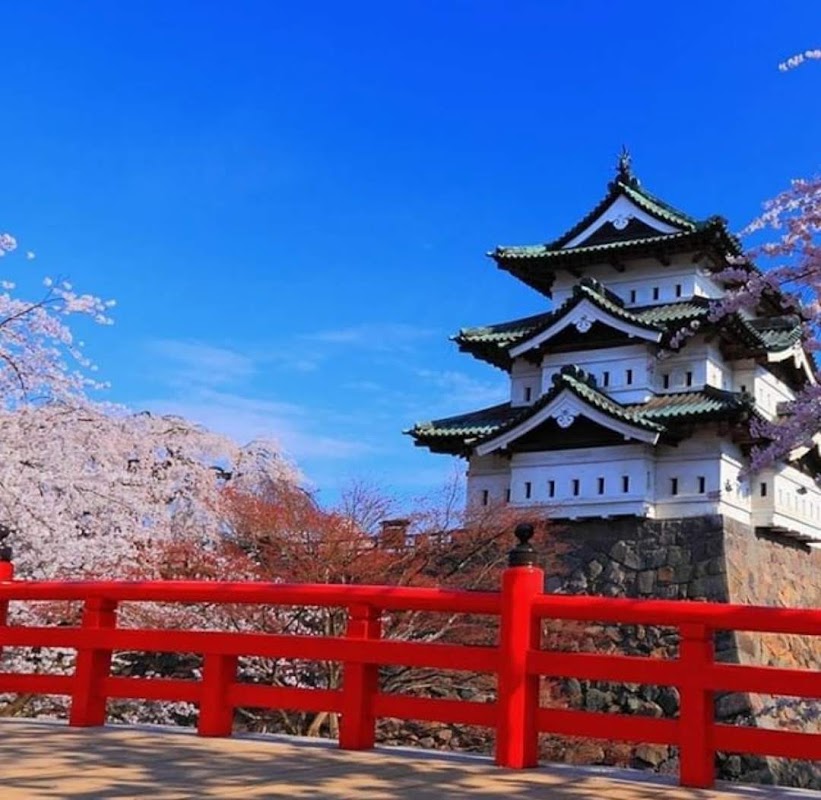
📍 Address: 1 Shirogane-cho, Hirosaki, Aomori 036-8356, Japan
Hirosaki Park, a vast 50-hectare (approximately 10 Tokyo Domes) expanse surrounding Hirosaki Castle, is one of Japan’s premier cherry blossom viewing spots, attracting travelers from across the country when its approximately 2,600 cherry trees bloom in spring. The ‘Hana Ikada’ (flower raft) – where the castle moat’s surface turns pink with fallen petals at peak bloom – is a breathtaking sight.
If you visit during cherry blossom season, a must-try local specialty is ‘Jumbo Oden.’ The large, black konjac, thoroughly infused with flavor, makes a big impact, and the umami of the broth soothes a tired body.
While the cherry blossom festival period is very crowded, locals recommend ‘early morning (around 5 AM to 8 AM)’ as the best time. This is an insider’s trick to slowly photograph the cherry blossoms against the backdrop of Mount Iwaki in the clear morning air, almost as if you have the park to yourself. Of course, the fresh greenery of early summer and the vibrant autumn leaves also offer quiet beauty, providing a superb refreshing space for those who wish to escape the hustle and bustle and stroll at their own pace.
Tsuru no Maibashi Bridge (Crane Dance Bridge)
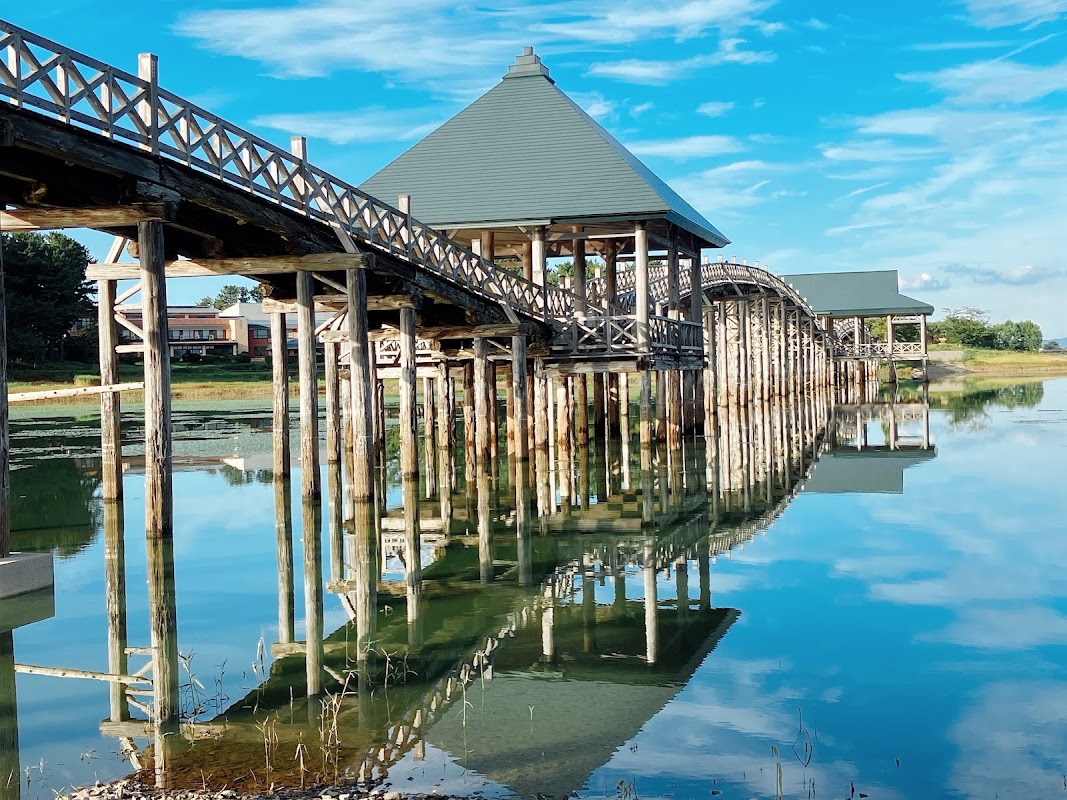
📍 Address: Oosawa Mawarikaze, Tsuruta-machi, Kitatsugaru-gun, Aomori 038-3542, Japan
Spanning Lake Tsugaru Fujimi, this is Japan’s longest wooden triple-arch bridge, measuring 300 meters. It gained widespread fame after being featured in a TV commercial, but there’s an important update for travelers: after extensive renovation work lasting approximately three years since 2023, the bridge successfully reopened completely in April 2026!
Now, you can cross the newly reborn bridge, enveloped by the pleasant scent of fresh Aomori-grown cedar and hiba wood. The large and small stages along the bridge are designed to evoke a pair of male and female cranes, and the contrast with ‘Tsugaru Fuji’ (Mount Iwaki) rising beyond the lake is truly a magnificent sight.
A note of caution on-site: there are days when very strong winds blow across the lake due to the lack of obstructions. Be careful not to drop hats, smartphones, or other personal items. Additionally, the adjacent paid parking lot can be used ‘free for the first hour,’ making it an excellent stop-off point during a drive.
Aoike Pond (Blue Pond)
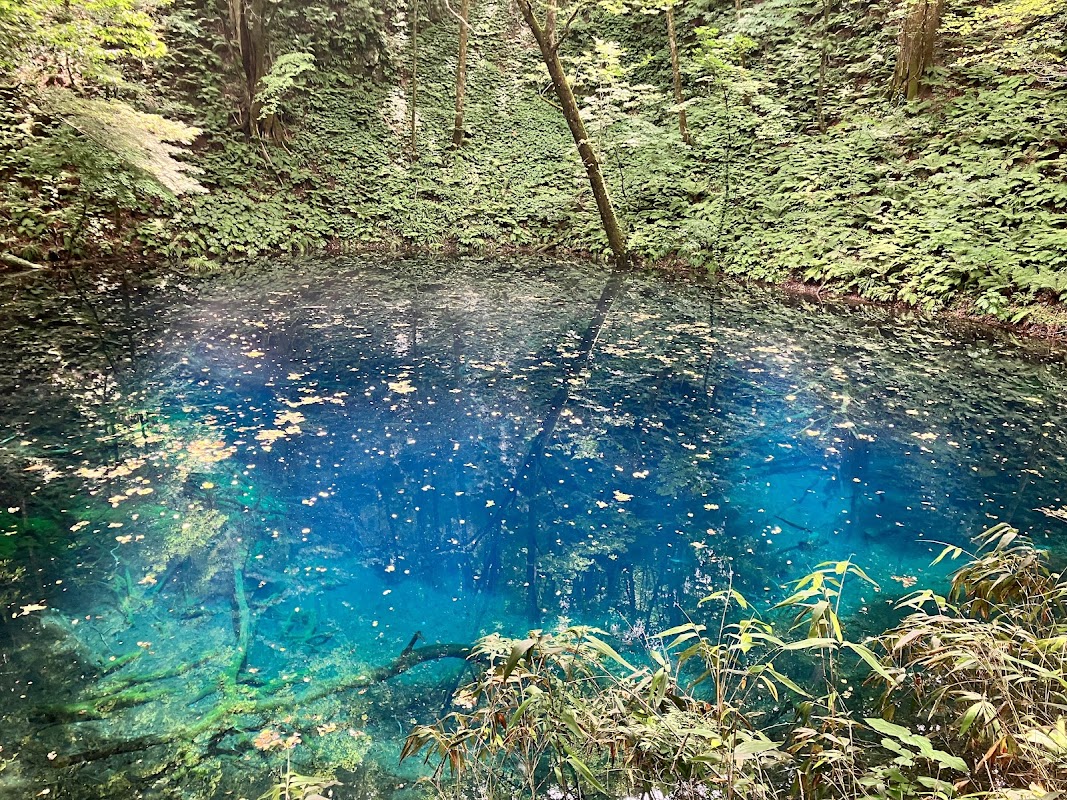
📍 Address: Matsukami, Fukaura-machi, Nishitsugaru-gun, Aomori 038-2206, Japan
Among the ‘Jyuniko Lakes’ located on the western side of the Shirakami-Sanchi World Natural Heritage site, ‘Aoike Pond’ boasts by far the greatest fame and beauty. Its mystical cobalt-blue surface, as if blue ink were poured directly into it, has exceptionally high transparency, allowing you to clearly see the fallen trees submerged at the bottom of the pond.
The most crucial factor for bringing out 120% of Aoike Pond’s beauty is ‘the time of visit and the weather.’ It’s said that the blue color shines most vividly around noon (11:00 AM – 12:00 PM) in early summer (May – August) when sunlight penetrates directly into the water from above. In the early morning, evening, or on cloudy/rainy days, the water surface can appear dark and sunken, so when planning your schedule, it’s absolutely correct to pinpoint a sunny daytime slot.
For access, the standard route is to park your car at the Oku-Jyuniko parking lot next to ‘Mori no Bussankan Kyoro-ro’ and then walk for about 10-15 minutes along a well-maintained forest trail. Although the path is easy to walk, you’re still in nature, so be sure to wear comfortable shoes like sneakers. A recommended route is to explore Aoike Pond in conjunction with the equally beautiful ‘Wakitsubo no Ike Pond’ nearby.
Local Tips to Enrich Your Trip
Public transportation in Aomori’s Tsugaru area has limited service, so renting a car is overwhelmingly recommended for efficient sightseeing. In particular, the route from Hirosaki to ‘Tsuru no Maibashi Bridge’ in Tsuruta-machi and ‘Aoike Pond’ in Fukaura-machi offers a superb driving course where you can enjoy vast apple orchards and the magnificent scenery of the Sea of Japan.
Furthermore, many restaurants and tourist facilities in this area tend to close early in the evening (around 4 PM – 5 PM), so planning your dinner locations and souvenir shopping in advance is key to avoiding travel inconvenies. Be sure to visit each spot at its best time to experience the true charm of Aomori.


'%3E%3Cpath%20stroke='%23000'%20stroke-width='4'%20d='m-35-37-13%2020m5%203%2013-20m5%203-13%2020m63%2042%206-9m1-2%206-9m5%203-6%209m-1%202-6%209m5%203%206-9m1-2%206-9m-96%200%2013%2020m5-3-6-9m-1-2-6-9m5-3%2013%2020m63-42-6-9m-1-2-6-9m5-3%2013%2020m5-3-6-9m-1-2-6-9'/%3E%3Ccircle%20r='24'%20fill='%23cd2e3a'/%3E%3Cpath%20fill='%230047a0'%20d='M0%200a12%2012%200%201%201%2020%2013%2024%2024%200%201%201-40-26A12%2012%200%201%200%200%200'/%3E%3C/g%3E%3C/svg%3E)
'/%3E%3Cpath%20fill='%23b2b2b2'%20d='M241%20382q0%2016%2017%2026%2017%2011%2042%2011t42-11q16-11%2017-26V269H241'/%3E%3Cpath%20fill='%239f7e00'%20d='M241%20379q0%2014%208%2023%209%209%2021%209%2014%200%2021-9%209-9%209-23V269h-59'/%3E%3Cpath%20d='M241%20339v-70h59v110q0%2014-9%2023l-6%205v-68h-15v72q-8%200-14-4v-68zm59%2040c0%2022%2015%2032%2029%2032%2021%200%2030-18%2030-32v-40h-59'/%3E%3Cpath%20fill='%239f7e00'%20d='M266%20277v5h2v12h-3v-5h2v-5h-9v5h2v5h-4v9h3v18h-5v10h34v-10h-5v-18h3v-9h-4v-5h2v-5h-9v5h2v5h-3v-12h2v-5zm42%20101q0%2010%206%2017%206%206%2015%207%2010-1%2016-7%206-7%206-17v-29h-43'/%3E%3Ccircle%20fill='%230044ad'%20cx='329.5'%20cy='372'%20r='6'/%3E%3Cellipse%20fill='%230044ad'%20cx='300'%20cy='340'%20rx='16'%20ry='21'/%3E%3C/svg%3E)


