

Painagama Beach
📍 Address: Shimozato, Hirara, Miyakojima, Okinawa 906-0013, Japan
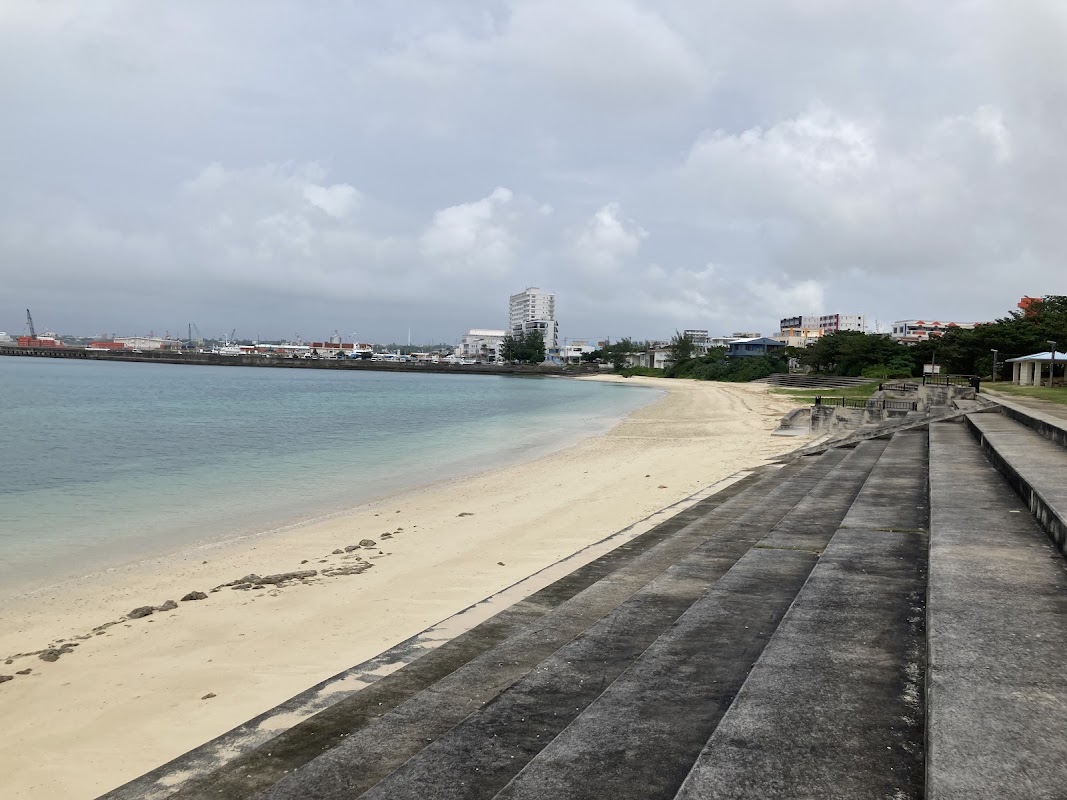
If you want to enjoy the beautiful ‘Miyakojima Blue’ sea but can’t venture too far from the city center, then Painagama Beach is perfect for you. Its name comes from the Miyakojima dialect, where ‘Pai’ means south and ‘Nagama’ means long beach. Easily accessible on foot or by bicycle from the bustling downtown area of Hirara, its greatest appeal is the casual ease of dropping by during your sightseeing.
The sea here is not so much emerald blue as it is a clear, transparent blue. Its shallow waters and calm waves make it a safe choice for families with children. A slope leads from the parking lot to the sandy beach, and it’s a barrier-free design with wheelchair-accessible restrooms and showers, allowing everyone of all generations to fully enjoy Miyakojima’s sea.
While swimming during the day is highly recommended, it’s at sunset when the locals gather. As a west-facing beach, it’s known as one of Miyakojima’s premier sunset spots. There are covered benches and a promenade, so even on slightly chilly winter days, it’s not a bad idea to relax with a warm drink while enjoying the sea breeze (the water is warm enough to swim if you’re determined, even in winter, but just dipping your feet is enjoyable enough).
It also functions as a hub for activities, serving as a meeting point for jet skis heading to Uni-no-hama, and there are cafes and restaurants lined up across the road. Why not stop by on your first day in Miyakojima or for a refreshing break just before you leave?
Miyakojima City Traditional Craft Village
📍 Address: 1166-286 Hirarahigashinakazonesoe, Miyakojima, Okinawa 906-0011, Japan
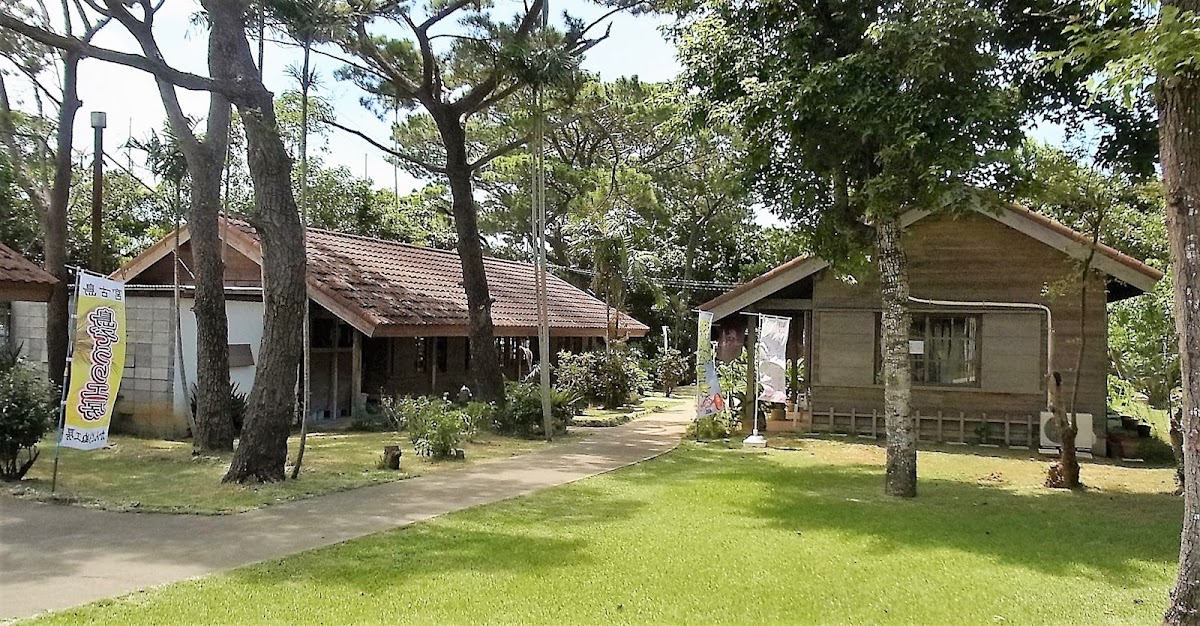
The Miyakojima City Traditional Craft Village is highly recommended for rainy days when the weather isn’t ideal, or when you want to spend a sunny afternoon in cool comfort. Scattered throughout the lush grounds of the vast ‘Miyakojima City Tropical Botanical Garden’, it houses a diverse collection of nine workshops, offering everything from making Shisa (Okinawan guardian lions) and Miyako textiles to kaleidoscopes, local cuisine, and pendants crafted from Miyako beef horns.
The biggest appeal here is not just the hands-on experience, but the ‘warm interactions with the local people’. The Obā (local grandmothers) who run the workshops are kind and gentle in their instruction, making it an engaging experience for both children and adults. You’ll find time flying by as you concentrate on kneading clay or using your mind for weaving.
While walk-in reservations are often accepted, especially for popular activities like Shisa making or for groups of 5 or more, advance phone reservations are recommended. Be sure to check the overall map at the entrance before heading to your desired workshop. During the quiet off-season, you might even get to enjoy a heartwarming moment, sipping tea with an Obā and engaging in deep local conversations about Miyakojima.
Miyakojima Underwater Park
📍 Address: 2511-1 Karimata, Hirara, Miyakojima, Okinawa 906-0002, Japan
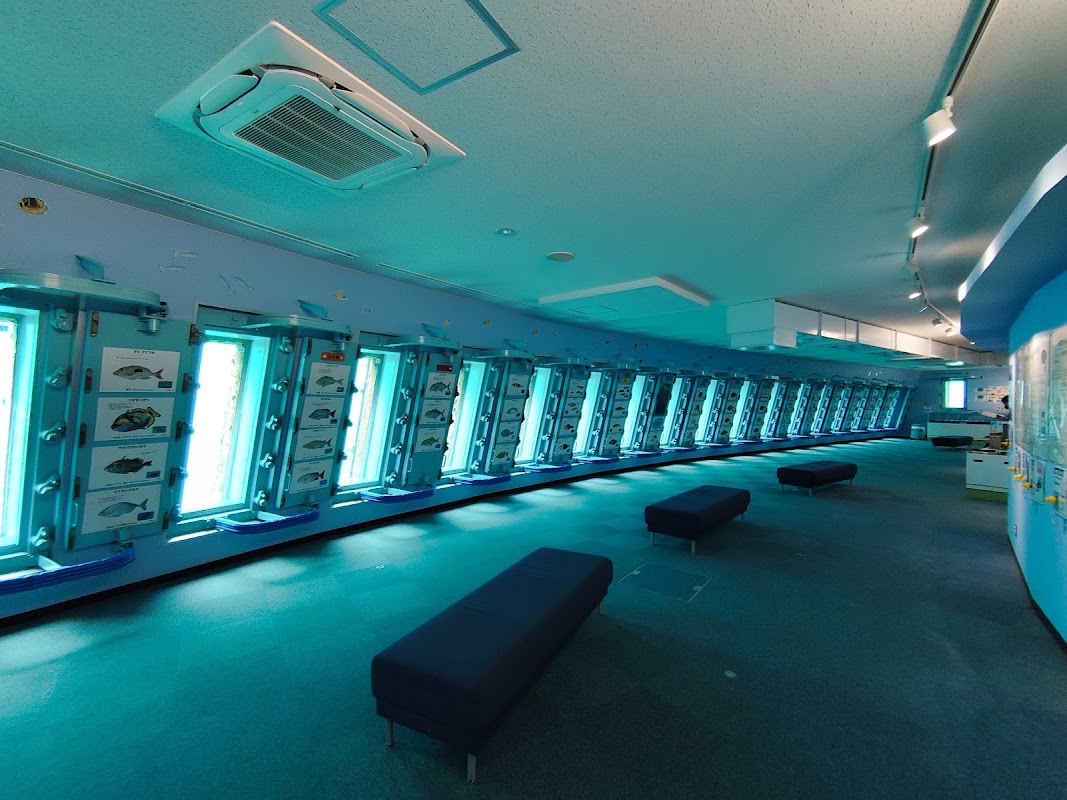
The Miyakojima Underwater Park fulfills the expectations of travelers who want to see ‘a real, natural ecosystem, not a manufactured aquarium!’ Descend the stairs into the underwater observation facility, and a fantastical world of the sea unfolds before you, enjoyable even while fully clothed.
Compared to summer, the sea’s transparency increases even further in winter, offering an astonishingly clear view of the blue, crystal-clear underwater world. Clownfish (Nemo) have built nests right in front of the windows, allowing you to closely observe the unique dramas of the natural world, such as small skirmishes with other fish, a highlight not to be missed. The sight of fish swaying with the waves is so captivating that you’ll lose all sense of time.
What makes this facility even more appealing is the presence of the解説 (explanation) staff. Many tourists are charmed by their humorous and earnest efforts to entertain, all while wearing cute fish-shaped slippers. Tickets purchased at the counter are 1,000 yen for adults, but you can get a discount to 800 yen by purchasing them online in advance through sites like JTB, making it a smart move to arrange them quickly on your smartphone.
The Banyan Tree
📍 Address: 914 Yonaha, Shimoji, Miyakojima, Okinawa 906-0305, Japan
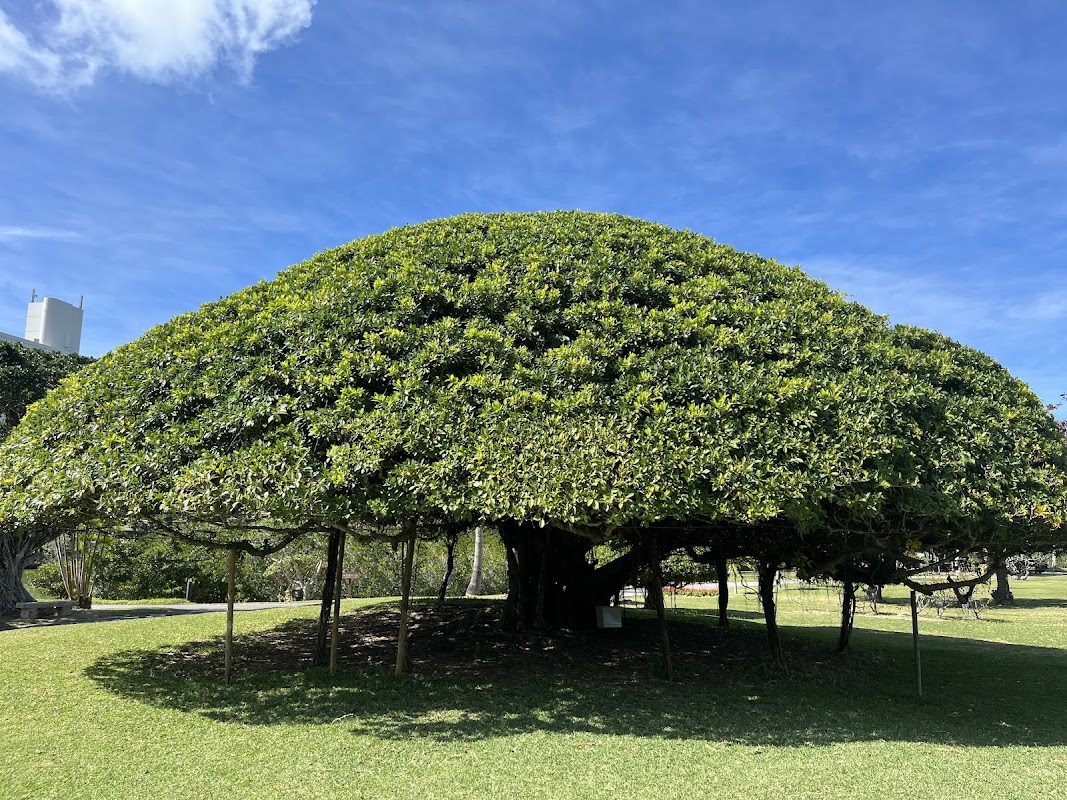
If you want to experience the dynamic ‘tropical vibe’ of Miyakojima, the giant Banyan Tree located on the grounds of ‘Miyakojima Tokyu Hotel & Resorts’ is a must-see spot. Its scale is many times larger than what photos can convey, with its round, sprawling canopy and countless aerial roots hanging down close to the ground, creating a mystical atmosphere as if you’ve stumbled into a scene from a Ghibli movie.
Stepping under the tree, you’ll feel the temperature mysteriously drop and be enveloped in a pleasant silence. It’s a place to escape the hustle and bustle of tourist sites, where you’ll want to simply breathe deeply and feel the strong vitality and energy of nature. It’s beautifully pruned and the surrounding environment is well-maintained, allowing everyone to safely bask in its power.
Located near the hotel’s entrance and courtyard, visitors who are not guests can still stop by and observe, provided they follow proper etiquette. The contrast with Miyakojima’s clear blue sky makes for fantastic photos, and among travelers who visit, taking photos in the ‘Tama jumping out’ pose from the Sazae-san ending is said to be a quiet trend. Be sure to try it for a memorable moment on your trip with a partner or friends.
Heart Rock
📍 Address: 749-3 Miyakuni, Ueno, Miyakojima, Okinawa 906-0203, Japan
The ‘Heart Rock’ is a miraculous formation created by Miyakojima’s beautiful coastline. Looking down at the sea from the tip of the cape that juts out from the coastline within Ueno German Culture Village, you’ll see a rock perfectly carved into a heart shape by wave erosion. However, this Heart Rock isn’t always visible. It’s an illusory masterpiece that reveals its complete form only during a limited window of ‘one hour before and after low tide’. Be sure to check a tide chart (tide graph) and plan your visit accordingly.
In recent years, this location has been officially certified as a ‘Sacred Spot for Lovers’, and a bell of love and a heart-shaped monument have been newly installed on the cape. Many couples can be seen pledging eternal love by attaching heart-shaped padlocks (1,000 yen), which are sold at nearby establishments like Hotel Breeze Bay Marina.
The path from the parking lot to the tip of the coast is well-maintained and flat, allowing for a comfortable stroll while admiring the Miyakojima Blue sea. Wild sea turtles sometimes appear in the sea to the east, so in addition to the rock’s shape, keep an eye out for the creatures lurking in the waves. This power spot, where history and romance intersect, is an absolute must-visit in the southern Miyakojima area.
Practical Tips for Exploring Miyakojima’s Tourist Spots
Miyakojima is surprisingly vast, and a rental car is essential for efficiently visiting each spot. However, during peak season, many travelers fall into the ‘transportation trap’ of being unable to reserve a rental car or finding prices incredibly inflated. The golden rule for Miyakojima sightseeing is to secure your rental car immediately after booking your hotel and flights.
Also, be aware of the island’s unique weather changes. It’s not always sunny, allowing you to fully enjoy the ‘Miyakojima Blue’. If you encounter rain or strong winds, switching your plans early to indoor, deep local spots like the ‘Miyakojima City Traditional Craft Village’ or ‘Miyakojima Underwater Park’, as introduced in this article, will allow you to have a fulfilling time.
Outdoor natural spots (especially places like Heart Rock) look completely different depending on the tides and time of day. Don’t assume that ‘the same scenery awaits you every time’; aiming to visit during each spot’s ‘most beautiful moment’ is the secret to dramatically enhancing your Miyakojima trip satisfaction.


'%3E%3Cpath%20stroke='%23000'%20stroke-width='4'%20d='m-35-37-13%2020m5%203%2013-20m5%203-13%2020m63%2042%206-9m1-2%206-9m5%203-6%209m-1%202-6%209m5%203%206-9m1-2%206-9m-96%200%2013%2020m5-3-6-9m-1-2-6-9m5-3%2013%2020m63-42-6-9m-1-2-6-9m5-3%2013%2020m5-3-6-9m-1-2-6-9'/%3E%3Ccircle%20r='24'%20fill='%23cd2e3a'/%3E%3Cpath%20fill='%230047a0'%20d='M0%200a12%2012%200%201%201%2020%2013%2024%2024%200%201%201-40-26A12%2012%200%201%200%200%200'/%3E%3C/g%3E%3C/svg%3E)
'/%3E%3Cpath%20fill='%23b2b2b2'%20d='M241%20382q0%2016%2017%2026%2017%2011%2042%2011t42-11q16-11%2017-26V269H241'/%3E%3Cpath%20fill='%239f7e00'%20d='M241%20379q0%2014%208%2023%209%209%2021%209%2014%200%2021-9%209-9%209-23V269h-59'/%3E%3Cpath%20d='M241%20339v-70h59v110q0%2014-9%2023l-6%205v-68h-15v72q-8%200-14-4v-68zm59%2040c0%2022%2015%2032%2029%2032%2021%200%2030-18%2030-32v-40h-59'/%3E%3Cpath%20fill='%239f7e00'%20d='M266%20277v5h2v12h-3v-5h2v-5h-9v5h2v5h-4v9h3v18h-5v10h34v-10h-5v-18h3v-9h-4v-5h2v-5h-9v5h2v5h-3v-12h2v-5zm42%20101q0%2010%206%2017%206%206%2015%207%2010-1%2016-7%206-7%206-17v-29h-43'/%3E%3Ccircle%20fill='%230044ad'%20cx='329.5'%20cy='372'%20r='6'/%3E%3Cellipse%20fill='%230044ad'%20cx='300'%20cy='340'%20rx='16'%20ry='21'/%3E%3C/svg%3E)


