

For mid-to-long-term stays or study abroad experiences overseas, ‘local supermarkets’ that support daily food life are indispensable. Knowing stores that local residents use daily, rather than tourist-priced spots, can multiply the comfort of your stay.
This time, we’ll introduce four carefully selected stores, focusing on Asian supermarkets and local marts beloved by international students and locals in Seoul, South Korea’s ‘Hongdae’ area—known as a vibrant youth district. We’ll also cover authentic Asian markets in Shin-Okubo, Japan, and Philadelphia, USA. From product lineups and tax refund information to clever shopping tips, we’ll deliver a wealth of deep local insights!
Hongdae Mart 24
📍 Address: 1F Hongdae Mart 24, 1 Sinchon-ro, Seodaemun-gu, Seoul, Republic of Korea
Located about a 5-minute walk from Hongik University Station, ‘Hongdae Mart 24’ is a strong ally for locals and international students. It’s a 24-hour local supermarket where you can find Korean seaweed, snacks, ramen, and daily necessities at more reasonable prices than convenience stores or typical souvenir shops.
It’s also perfect for killing time after a late night out in Hongdae or upon early morning arrival in Korea. They frequently run promotions such as meat sales and 10% discounts on alcoholic beverages like wine and whisky, making it ideal for daily shopping. What’s more, travelers and students returning home temporarily will be delighted by its ‘tax refund availability’. With purchases over 15,000 won, you can receive a tax refund, making it a great advantage to get products at a better price than in tourist areas like Myeongdong.
The store has friendly and kind ‘ajumma’ (auntie) staff who, despite not speaking much Japanese, provide warm service that makes foreign customers feel at ease. This spot is definitely recommended for those looking for genuinely cheap items and wanting to experience local vibrancy.
Mono Mart Plus
📍 Address: Donggyo-dong, Mapo-gu, Seoul, Republic of Korea
For those long-term stays in Korea where you just ‘crave the taste of Japan!’, ‘Mono Mart Plus’ is a Japanese food specialty store in Donggyo-dong, Hongdae, where you can rush to satisfy that craving. It features a wide array of Japanese seasonings, sauces, and frozen foods not commonly found in regular Korean supermarkets.
International students and Japanese residents, in particular, highly praise the ‘Japanese meal kits’ and various frozen foods that allow them to recreate an izakaya atmosphere at home. Items like oden, takoyaki, and various fried foods can be enjoyed with just a quick warm-up, garnering strong support from young Koreans and self-catering residents.
Originally, this store had a strong wholesale aspect for businesses, so you can often find commercial-sized products and ingredients for stores at low prices. While some say the variety of ramen is somewhat limited, it offers reasonable prices for an offline market and provides an exciting experience, as if you’re walking through a Japanese supermarket.
Asia Super Store
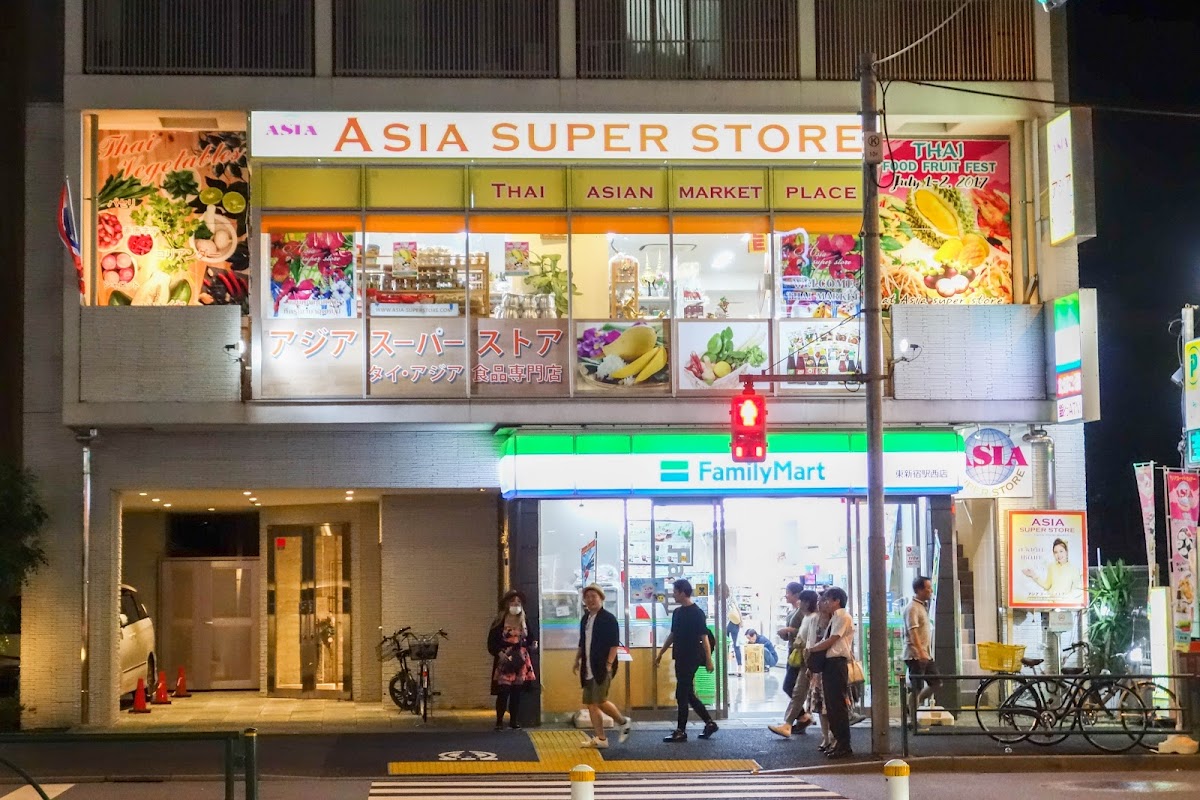
📍 Address: 2F, 1-8-2 Okubo, Shinjuku-ku, Tokyo 169-0072, Japan
Shifting our focus from Korea, let’s introduce a supermarket that supports the dietary needs of international students and foreign residents in Japan. ‘Asia Super Store’ in Tokyo’s Shin-Okubo area is renowned as the closest place to Thailand in Japan, specializing in Thai ingredients and goods.
The store is enveloped in the aroma of spices not found in typical Japanese supermarkets, boasting an abundance of fresh herbs like dill, lemongrass, and kaffir lime leaves. Also, don’t miss the handmade deli section. Their ‘Som Tum’ is of professional quality, with peanuts and dried shrimp provided separately to maintain texture. Furthermore, you’ll find rare local sweets like ‘Khao Tom Mat’ (steamed sticky rice with banana) and Thai-style pudding called ‘Khanom Mo Kaeng’.
While Asian supermarkets can often be cluttered, this one is popular for its beautiful product display and cleanliness. It’s a vibrant spot, brimming with authentic energy, frequented by locals who love ethnic cuisine and international students from Southeast Asia. Note that payment is cash only, so be prepared when you visit.
Asianfresh Food Market
📍 Address: 142 N 10th St, Philadelphia, PA 19107, USA
‘Asianfresh Food Market,’ located in Philadelphia’s Chinatown, is a lifeline for anyone studying or staying in the US. Known by locals as ‘mini H-Mart,’ it offers a one-stop shop for ingredients from various Asian regions, including China, Japan, Korea, and Thailand.
The first floor features fresh meat, seafood, and vegetables like napa cabbage and enoki mushrooms at affordable prices—an irresistible selection for those who cook at home. On the second floor, you’ll find a massive display of imported snacks and frozen foods, from Japanese sweets to Thai chips. The owner is incredibly kind, often helping carry groceries to your car when you buy in bulk, making it a place where you can feel the warm sense of a local community.
However, like any overseas supermarket, there’s a ‘trap’ where imported goods and sale items (such as mystery boxes) might include expired products. Checking the date on the package before purchasing is an essential skill for smart shopping abroad.
Smart Shopping Tips to Maximize Your Asian Supermarket Experience
For mid-to-long-term stays overseas, mastering the use of Asian supermarkets and local marts significantly impacts your quality of life. Here are some real shopping tips practiced by international students and local residents.
First is ‘thoroughly utilizing tax exemption and discount rules.’ Many supermarkets, like ‘Hongdae Mart 24,’ offer on-the-spot Tax Free (tax exemption) for purchases above a certain amount (e.g., 15,000 won). Always carry your passport and make bulk purchases to save money—it’s a golden rule.
Second is ‘knowing the prime times for deli items and meal kits.’ Handmade deli items prepared at local supermarkets (like Khao Man Gai, Som Tum, or izakaya-style dishes) tend to sell out before the evening rush hour. If you want a specific local food, visiting in the morning to early afternoon is best.
And most importantly, ‘maintaining a spirit of self-preservation.’ Discounted items or special offer boxes in local supermarkets can sometimes contain products that are near or past their expiration date. While unthinkable in Japan, in other countries, ‘checking with your own eyes’ is fundamental. If you keep this in mind, Asian supermarkets can become the ultimate entertainment space, adding colorful experiences to your life abroad.


