

Akihabara: A Hidden Battleground for Deeply Local Supermarkets?
Akihabara is known as a global tourist destination, an electronics district, and a mecca for subcultures. However, behind this facade lies the real, everyday life of diverse people, including local Japanese residents living in high-rise apartments, international students attending Japanese language schools and universities nearby, and foreign business people working at IT companies.
For mid- to long-term residents and locals, ‘where to get groceries every day’ is a significant issue that affects the quality of life. In fact, by combining the Akihabara area with Shin-Okubo, which is just one direct train ride (about 15 minutes) on the Chuo-Sobu Line, you can enjoy an incredibly rich and deep culinary life.
This article introduces carefully selected, lesser-known spots, ranging from ‘authentic Asian supermarkets’ to run to when you miss the taste of your home country, to ‘wholesale supermarkets’ that support your home cooking with overwhelming cost performance, and ’boutique natural supermarkets’ where you can experience high-quality Japanese food culture.
Asia Super Store
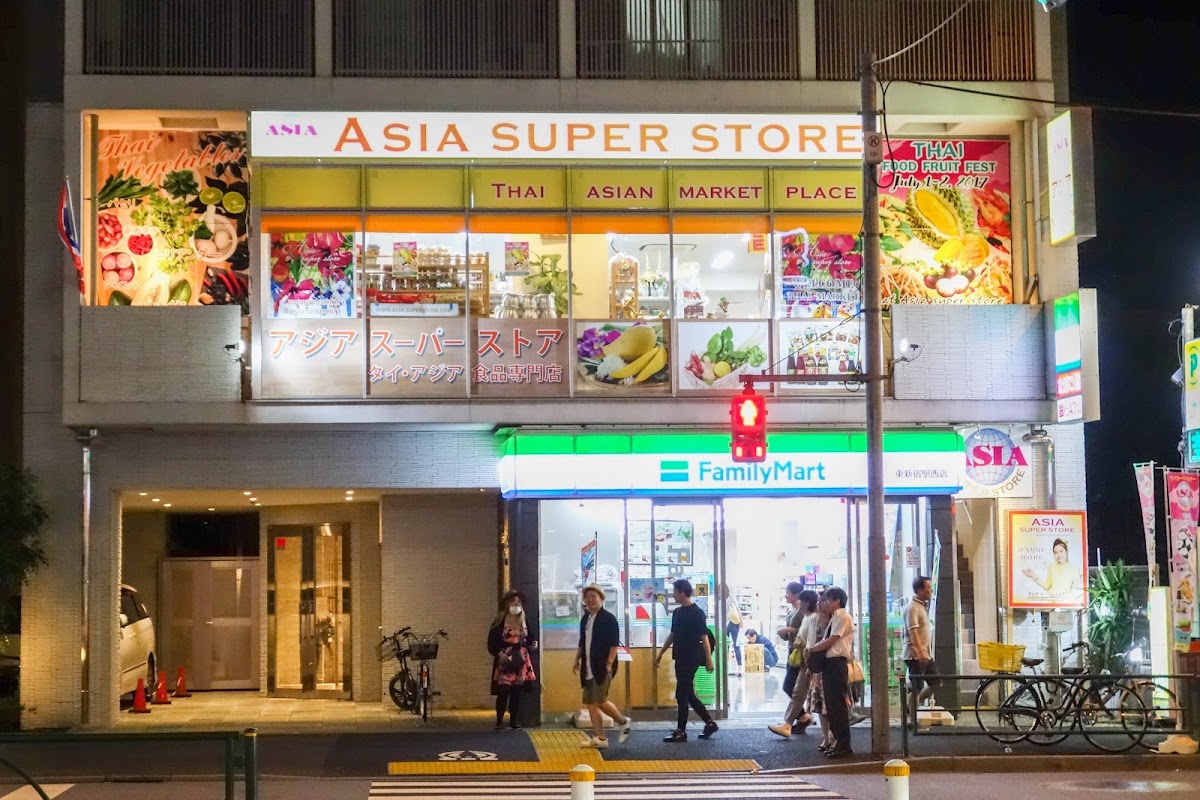
📍 Address: 2F, 1-8-2 Okubo, Shinjuku City, Tokyo 169-0072, Japan
From Akihabara, take the Chuo-Sobu Line to Okubo Station. A short walk from there, on the second floor of a building, is ‘Asia Super Store,’ a long-established Thai ingredient specialty shop praised by Thai food lovers as ‘the closest place to Thailand in Japan.’
Stepping inside, you’ll feel as if you’ve wandered into a local Bangkok supermarket, from the aroma and temperature to the product display. A wide array of fresh herbs (such as lemongrass, kaffir lime leaves, holy basil, and dill), rarely seen in other supermarkets, lines the shelves, making it an essential pilgrimage site for those who want to cook authentic Thai cuisine at home.
Beyond ingredients, the store boasts a comprehensive selection of Thai tableware, cooking utensils, and even sundries like ‘Ya Dom’ (nasal inhalers, a staple at local convenience stores). Don’t miss the deli items and sweets, where you can find unique snacks like ‘Khao Tom Mat,’ sticky rice wrapped around a banana and steamed, or ‘Khanom Mor Kaeng,’ a Thai-style pudding with a mysterious taste akin to a rolled omelet (Note: Bento boxes are not sold during the summer, so be aware).
While many Asian supermarkets can be disorganized, this one is a pleasant surprise with its beautifully arranged products and tidy aisles, making shopping easy. Also, some reviews mention that only cash payments are accepted, so it’s advisable to carry extra cash when visiting.
Shin-Okubo Asian Market
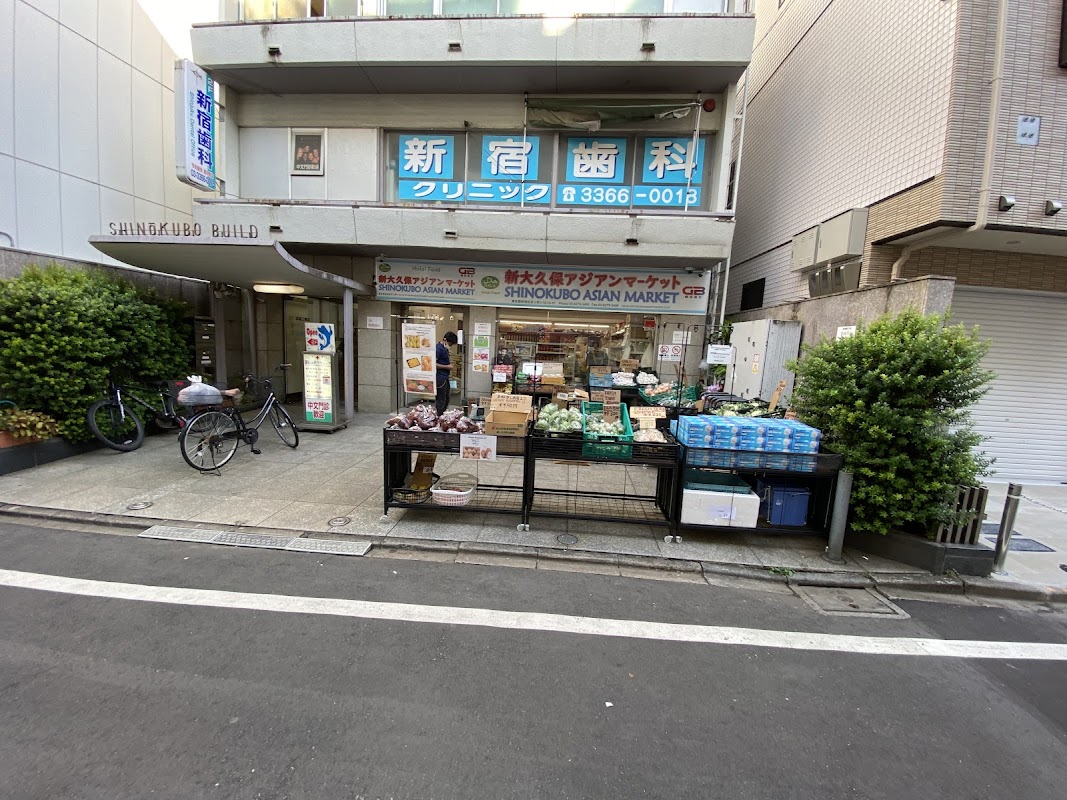
📍 Address: 1-10-13 Hyakunincho, Shinjuku City, Tokyo 169-0073, Japan
While Asia Super Store is ideal for Thai ingredients, ‘Shin-Okubo Asian Market’ is unbeatable if you’re looking for multinational spices from India, Nepal, or Halal food. Located very close to Shin-Okubo Station’s ticket gates, a unique spice aroma emanates from the storefront.
Its biggest draw is undoubtedly its ‘affordability.’ Fresh vegetables, tropical fruits, and bananas are sold at surprisingly local prices, and on some days, instant ramen can be bought for just a few tens of yen, making it a strong ally for international students and home cooks. Moreover, shelves are packed with items rarely seen in Japanese supermarkets, such as canned goat meat and a rich variety of curry spices.
You don’t need to worry, ‘Is it too niche to know how to shop here?’ Even rare vegetables and spices not sold at Japanese greengrocers are portioned into easy-to-buy sizes, with clear Japanese labels for content, price, and expiration dates. This ‘friendliness towards Japanese speakers’ is why it’s recommended even for beginners in ethnic cuisine. The acceptance of e-money and credit cards also makes it very convenient, fitting modern lifestyles.
Hanamasa Meat Market Akihabara Store
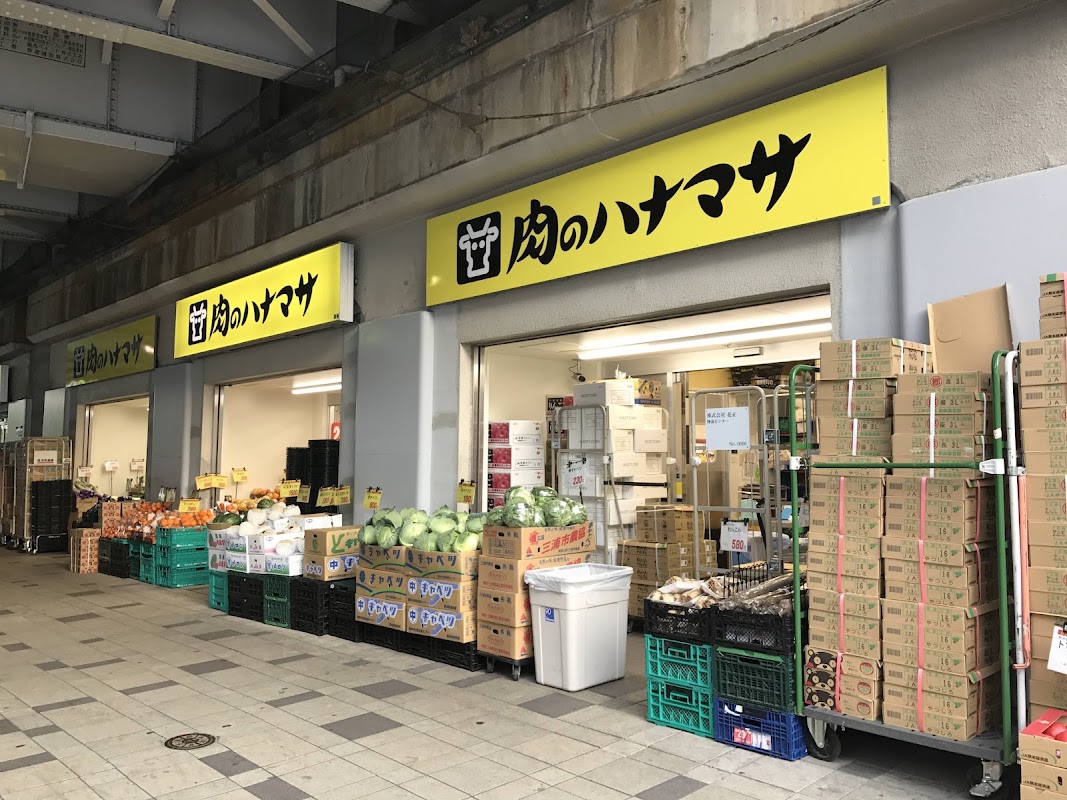
📍 Address: 4-14 Akihabara, Taito City, Tokyo 110-0006, Japan
In the very heart of the Akihabara area (closer to Suehirocho Station on the Ginza Line), ‘Hanamasa Meat Market Akihabara Store’ operates as a 24-hour food warehouse. Located on a backstreet off the main thoroughfare lined with maid cafes and electronics stores, it’s conveniently situated for a stop after work or school, avoiding crowds.
As its name suggests, the selection of meats is incredible, with large, commercial-sized packs available at outstanding cost performance. It stocks unusual cuts of meat rarely seen in regular supermarkets, whole chickens, and large quantities of imported seasonings, making it a dream come true for international students who ‘want to cook a lot of their hometown dishes for friends’ and professional-minded cooking enthusiasts.
Despite being a wholesale supermarket, it accepts credit card payments, so you don’t have to worry about carrying cash for weekend bulk shopping. Not only is it cheap and offers large quantities, but it can also accommodate sudden late-night or early-morning grocery runs, making it an essential lifeline supermarket to know if you live around Akihabara.
Fukushima-ya Akihabara Store
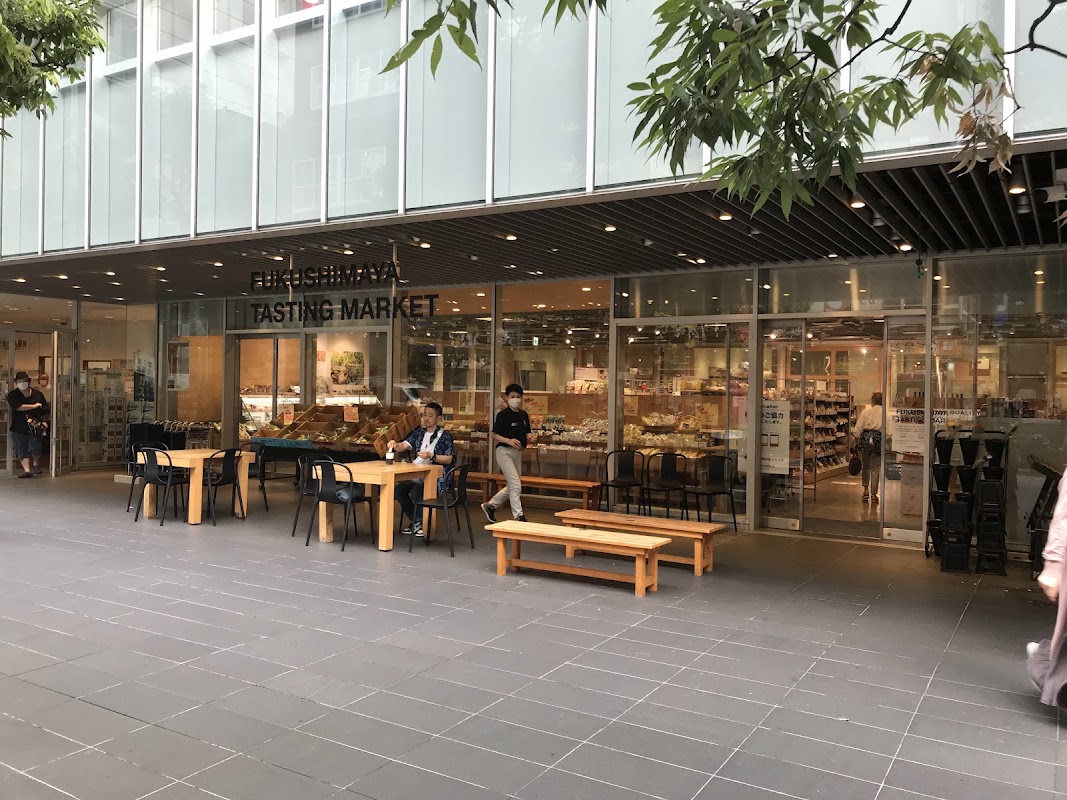
📍 Address: Akihabara UDX 1F, 4-14-1 Sotokanda, Chiyoda City, Tokyo 101-0021, Japan
‘Fukushima-ya’ is located on the first floor of Akihabara UDX, a large multi-purpose building in front of Akihabara Station. This supermarket, originating from Hamura City, Tokyo, is characterized by its product lineup focused on organic, specially cultivated, and additive-free items, and receives enthusiastic support from residents of nearby high-rise apartments and those seeking safe and secure Japanese ingredients.
Setting itself apart from ordinary supermarkets, it carefully selects ‘delicious items’ from all over Japan, much like a regional product fair. For instance, freshly picked corn available in summer, rare Sasanishiki rice (a specially cultivated variety that hasn’t undergone extensive modifications), and high-quality fresh meat elevate the dining experience. The store also offers a unique selection of alcoholic beverages, including stylish one-cup sake and wines.
Another highlight of Fukushima-ya is its ‘super high-quality deli and eat-in options.’ Their ‘extra-large Ohagi’ (rice cake ball) with elegant sweetness and generous volume, warm onigiri (rice balls) made on the spot, and exquisite cakes rival specialty stores in quality. Furthermore, the store features a unique eat-in space (including terrace seating) where you can enjoy a highly satisfying lunch for just one coin, or even have ramen served at a bar-like counter, offering a chaotic and enjoyable dining experience that transcends the typical supermarket.
[Tips] For International Students & Long-Term Residents! Akihabara to Shin-Okubo Shopping Route Strategy
If you’re staying in the Akihabara area, the smart local strategy is to procure your daily staple ingredients (meat, fish, large quantities of vegetables) affordably from the 24-hour ‘Hanamasa Meat Market,’ and on days you want to splurge a little or enjoy delicious deli items and additive-free Japanese ingredients, head to ‘Fukushima-ya.’
And if you absolutely crave authentic flavors from your home country or ethnic spices, don’t hesitate to take the JR Chuo-Sobu Line. It’s a direct, non-stop ride from Akihabara Station to Okubo Station, taking only about 15 minutes. Once you step off in the Okubo-Shin-Okubo area, you’ll find a concentrated cluster of genuine Asian grocery stores like ‘Asia Super Store’ and ‘Shin-Okubo Asian Market.’ Bringing a large eco-bag or backpack on the weekend to stock up on a week’s worth of spices, Halal food, and rare Asian vegetables can be said to be one of the true pleasures of living in Tokyo.
By mastering these two areas, Akihabara and Shin-Okubo, your local life in Japan is sure to become dramatically richer.


'%3E%3Cpath%20stroke='%23000'%20stroke-width='4'%20d='m-35-37-13%2020m5%203%2013-20m5%203-13%2020m63%2042%206-9m1-2%206-9m5%203-6%209m-1%202-6%209m5%203%206-9m1-2%206-9m-96%200%2013%2020m5-3-6-9m-1-2-6-9m5-3%2013%2020m63-42-6-9m-1-2-6-9m5-3%2013%2020m5-3-6-9m-1-2-6-9'/%3E%3Ccircle%20r='24'%20fill='%23cd2e3a'/%3E%3Cpath%20fill='%230047a0'%20d='M0%200a12%2012%200%201%201%2020%2013%2024%2024%200%201%201-40-26A12%2012%200%201%200%200%200'/%3E%3C/g%3E%3C/svg%3E)
'/%3E%3Cpath%20fill='%23b2b2b2'%20d='M241%20382q0%2016%2017%2026%2017%2011%2042%2011t42-11q16-11%2017-26V269H241'/%3E%3Cpath%20fill='%239f7e00'%20d='M241%20379q0%2014%208%2023%209%209%2021%209%2014%200%2021-9%209-9%209-23V269h-59'/%3E%3Cpath%20d='M241%20339v-70h59v110q0%2014-9%2023l-6%205v-68h-15v72q-8%200-14-4v-68zm59%2040c0%2022%2015%2032%2029%2032%2021%200%2030-18%2030-32v-40h-59'/%3E%3Cpath%20fill='%239f7e00'%20d='M266%20277v5h2v12h-3v-5h2v-5h-9v5h2v5h-4v9h3v18h-5v10h34v-10h-5v-18h3v-9h-4v-5h2v-5h-9v5h2v5h-3v-12h2v-5zm42%20101q0%2010%206%2017%206%206%2015%207%2010-1%2016-7%206-7%206-17v-29h-43'/%3E%3Ccircle%20fill='%230044ad'%20cx='329.5'%20cy='372'%20r='6'/%3E%3Cellipse%20fill='%230044ad'%20cx='300'%20cy='340'%20rx='16'%20ry='21'/%3E%3C/svg%3E)


