

Kochi Prefecture is a place where the majestic nature of the Pacific Ocean’s crashing waves coexists with the historical spirit of the Bakumatsu-era patriots. It’s brimming with irresistible charm for travelers, from classic historical sites to mysterious natural wonders created by mother nature.
This article carefully selects the main sightseeing spots you absolutely cannot miss when visiting Kochi. Beyond a mere list of historical facts, we provide a thorough explanation from a truly realistic and in-depth perspective that travelers genuinely want to know: ‘When is the best time to visit?’, ‘What are the fascinating backstories?’, and ‘What should you be aware of locally?’.
Sakamoto Ryoma Statue
📍 Address: Urado, Kochi, Kochi 781-0262, Japan
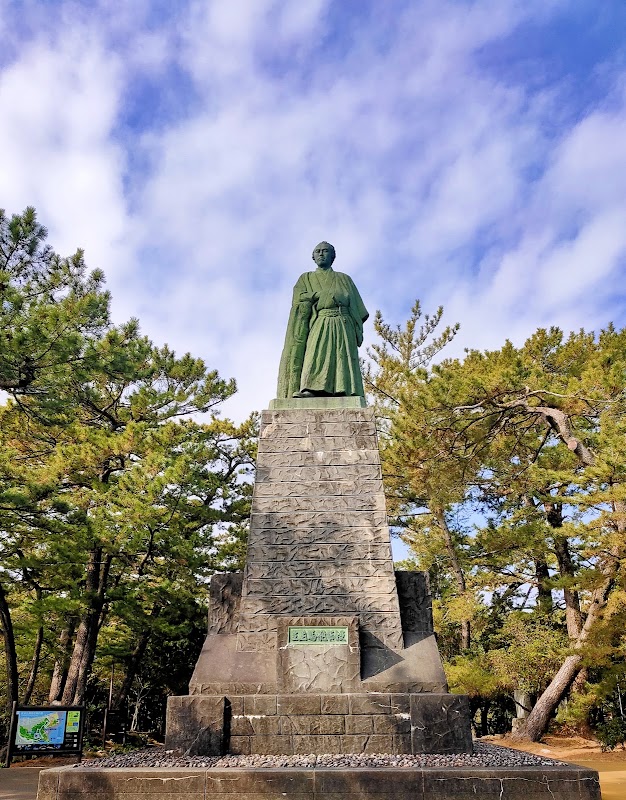
A little further from the center of Kochi City, at the tip of the Urado Peninsula, on a hill overlooking the Pacific Ocean at the scenic Katsurahama Beach, stands the Sakamoto Ryoma Statue, an absolute symbol of Kochi tourism. Erected in 1928 (Showa 3) through the tireless fundraising efforts of young volunteers in Kochi, this bronze statue, including its pedestal, stands at an impressive 13.5 meters tall. Looking up from below, its overwhelming presence is breathtaking. Dressed in traditional Japanese attire with boots, hands tucked into his kimono, gazing straight out into the distant Pacific (towards foreign lands), he perfectly embodies the ‘Ryoma image’ we all envision.
The best time to visit is around November 15th, which is both Ryoma’s birthday and the anniversary of his death. During this period, a special event called ‘Up Close with Ryoma’ is held for about two months, where a 13-meter-high temporary observation deck is erected right next to the statue. For a mere 200 yen admission fee, you can have the rare experience of gazing at the magnificent Pacific Ocean and the beautiful crescent-shaped Katsurahama Beach from the exact same eye-level as Ryoma. This will surely become a cherished memory for travelers. The thrill of climbing the temporary stairs is also part of the fun.
Katsurahama Beach has also been celebrated since ancient times as a ‘moon-viewing spot’ in the ‘Yosakoi Bushi’ folk song, which says, ‘Katsurahama is famous for its moon.’ While the brightly shining blue sea during the day is beautiful, visiting on the night of the Mid-Autumn Moon in autumn to gaze at the moonlit shoreline and the silhouette of the Ryoma statue is highly recommended for its emotional charm. Since there’s a continuous ascent and descent of stairs from the parking lot to the Ryoma statue, wearing comfortable walking shoes is highly recommended.
Kochi Castle
📍 Address: 1 Chome-2-1 Marunouchi, Kochi, 780-0850, Japan
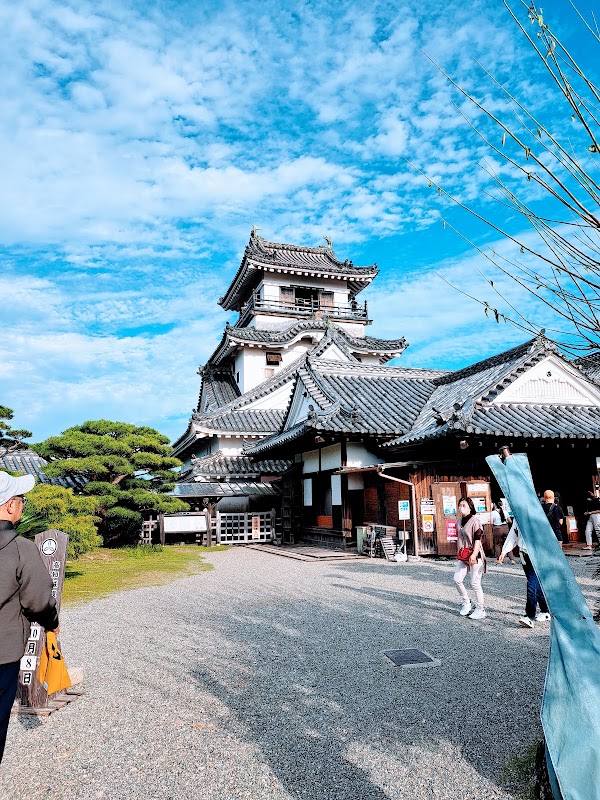
Soaring in the heart of Kochi City, Kochi Castle is a renowned fortress built in the early Edo period by Yamanouchi Kazutoyo, the first lord of the Tosa domain. Although it was once lost in a great fire in 1727, it was subsequently rebuilt within the Edo period and stands to this day. It is one of only twelve ‘original castle keeps’ remaining in Japan, and furthermore, it is the only castle in the entire country where both the keep and the main palace (Honmaru Goten) still exist, making it an exceptionally valuable historical structure.
Stepping inside, you’ll be overwhelmed by the ‘authentic’ atmosphere, entirely different from modern castles that have been turned into museums. The creaking wooden floors, characteristic of traditional timber construction, and the steeply rising, high-stepped stairs designed to thwart enemy invasion, vividly convey the tension felt by samurai of that era. From the top floor of the keep, you can enjoy an unobstructed 360-degree panoramic view of Kochi’s cityscape and distant mountains, making you feel as if you’ve become the castle lord yourself.
A deep and easily overlooked highlight is the defensive system unique to rainy Kochi. To prevent the stone walls from collapsing due to heavy rainfall, 16 unique drainage systems called ‘ishidoi’ (stone gutters) protrude outwards from the walls. Furthermore, you’ll find ingenious fortress features everywhere, such as the impenetrable ‘Kurogane-mon’ (Black Iron Gate) designed to thwart enemy advances, and the Nozura-zumi stone walls built by stacking natural stones as they are. Free volunteer guides are often available within the castle grounds, and listening to their passionate explanations transforms a simple castle visit into a ‘historical mystery tour’ – highly recommended!
Ryugado Cave
📍 Address: 1424 Sakagawa, Tosayamadacho, Kami, Kochi 782-0005, Japan
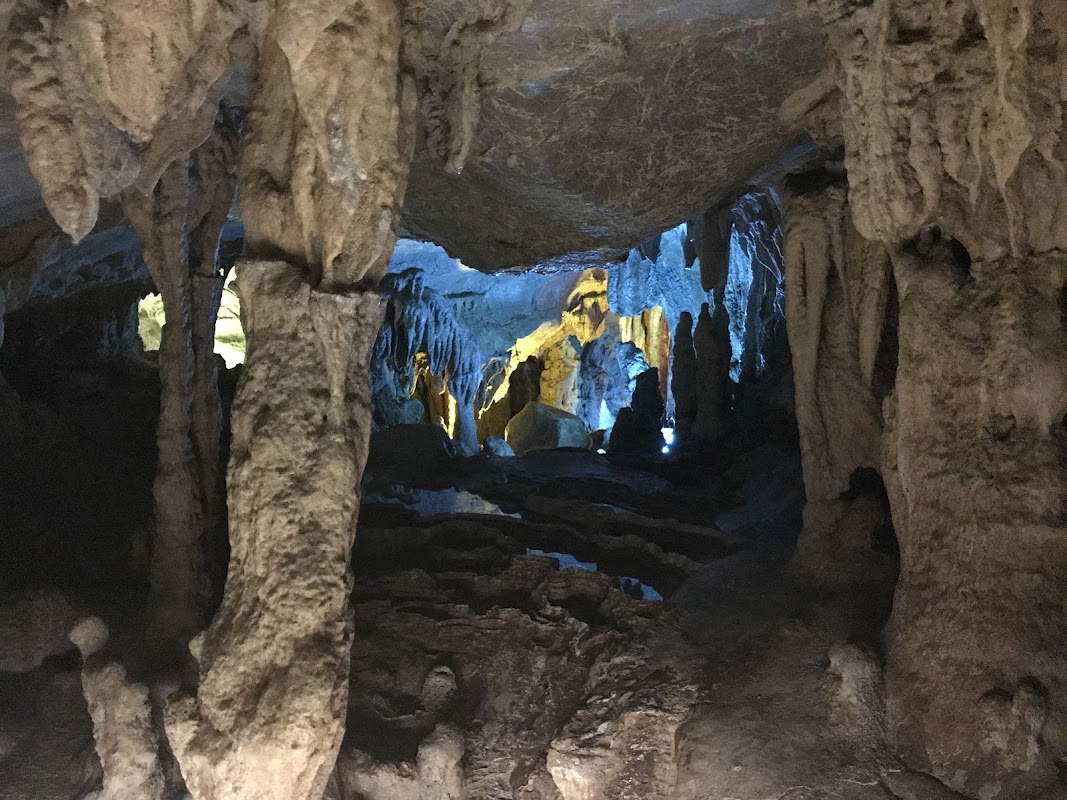
Located in Kami City, a suburb of Kochi City, ‘Ryugado Cave’ (Ryūgadō) is one of Japan’s three great limestone caves, alongside Ryusendo Cave in Iwate Prefecture and Akiyoshido Cave in Yamaguchi Prefecture. This colossal underground labyrinth, stretching approximately 4 kilometers (with about 1 kilometer accessible for tourists), was carved out of limestone by groundwater over an astonishing 175 million years.
The biggest highlight is the ‘Kami no Tsubo’ (God’s Pot), an extremely rare sight worldwide. You can actually see pottery left behind by people who lived in this cave during the Yayoi period, approximately 2,000 years ago, now completely fused with a stalactite over long ages. Furthermore, as a modern initiative, there’s an area where experiments have been conducted for about 90 years to observe the process of pots being enveloped by stalactites, astonishing visitors with the grand scale of nature. Currently, modern presentations such as projection mapping and blue illumination have also been introduced, blending ancient romance with entertainment.
As a practical note for your visit, the cave has very steep inclines and declines, with continuous narrow passages barely wide enough for one person, and areas where you must crouch to proceed. The tour takes about 45 minutes to an hour, and it’s a ‘physical challenge’ spot where your legs will be shaky by the time you reach the exit. Comfortable sneakers are essential. For a deeper enjoyment tip, download the free app ‘Pocket Curators’ and bring earphones to listen to the explanations as you go, which will greatly enhance your understanding of stalactite formation and significantly boost your satisfaction.
Additionally, as a travel tip for access, Ryugado Cave is about a 20-30 minute drive from Kochi Ryoma Airport. Planning a route where you stop by before your return flight using a taxi and then head straight to the airport is a very smart way to save a significant amount of time and energy.
Harimaya Bridge
📍 Address: 1 Chome-1 Harimayacho, Kochi, 780-0822, Japan
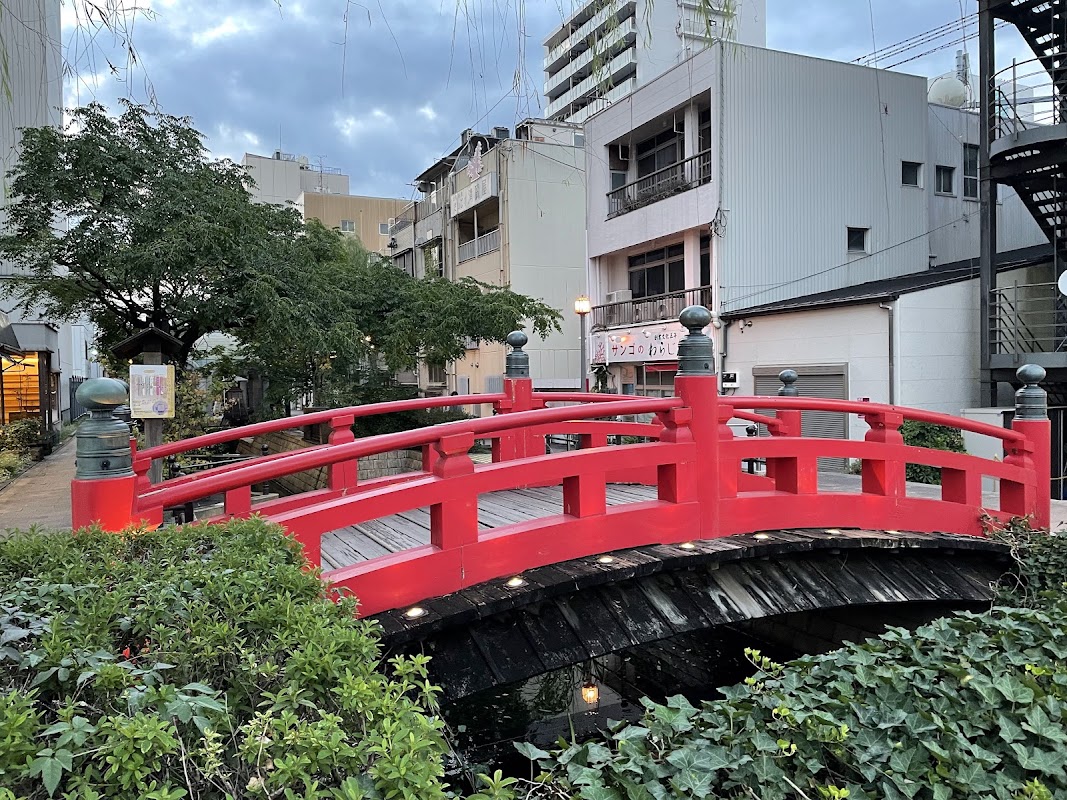
In the very heart of Kochi City, nestled beside a bustling tram intersection, sits the vermilion ‘Harimaya Bridge.’ While it’s sometimes infamously dubbed one of ‘Japan’s Three Most Disappointing Spots,’ that’s only if you view it as ‘just a small bridge’ without knowing its background. The true charm of this bridge lies in the ‘power of human gossip’ and the weight of the story behind it.
During the Ansei era of the late Edo period, Junshin (37), a monk from Chikurinji Temple, fell in love with Oma (17), the daughter of a metal caster. Despite being a monk bound by strict precepts, he bought a red ‘kanzashi’ (hairpin) at a small goods shop by Harimaya Bridge to win Oma’s affection. When this became public, it caused a huge scandal. The two eloped, were eventually captured, and faced the tragic end of being exiled from the country. This scandalous love affair was amusingly immortalized in the famous ‘Yosakoi Bushi’ folk song: ‘At Harimaya Bridge in Tosa, Kochi, I saw a monk buying a kanzashi.’ When you consider that the ‘reckless love’ of a mere monk, not even a national hero, is still recounted as a tourist attraction centuries later, you can’t help but feel a certain human touch, romance, and amusement.
Today, the area around Harimaya Bridge is beautifully maintained as a waterside park. An artificial stream flows beneath the bridge, and in the adjacent underground passage, parts of the former wooden bridge are exhibited, allowing visitors to trace its historical changes. Every time you see a ‘kanzashi’ motif in the surrounding souvenir shops, you’re bound to recall Junshin’s passion. It’s a highly recommended, atmospheric spot perfect as a starting point for city walks, for a quick visit before or after meals, or while waiting for the tram.
Sarudado Cave
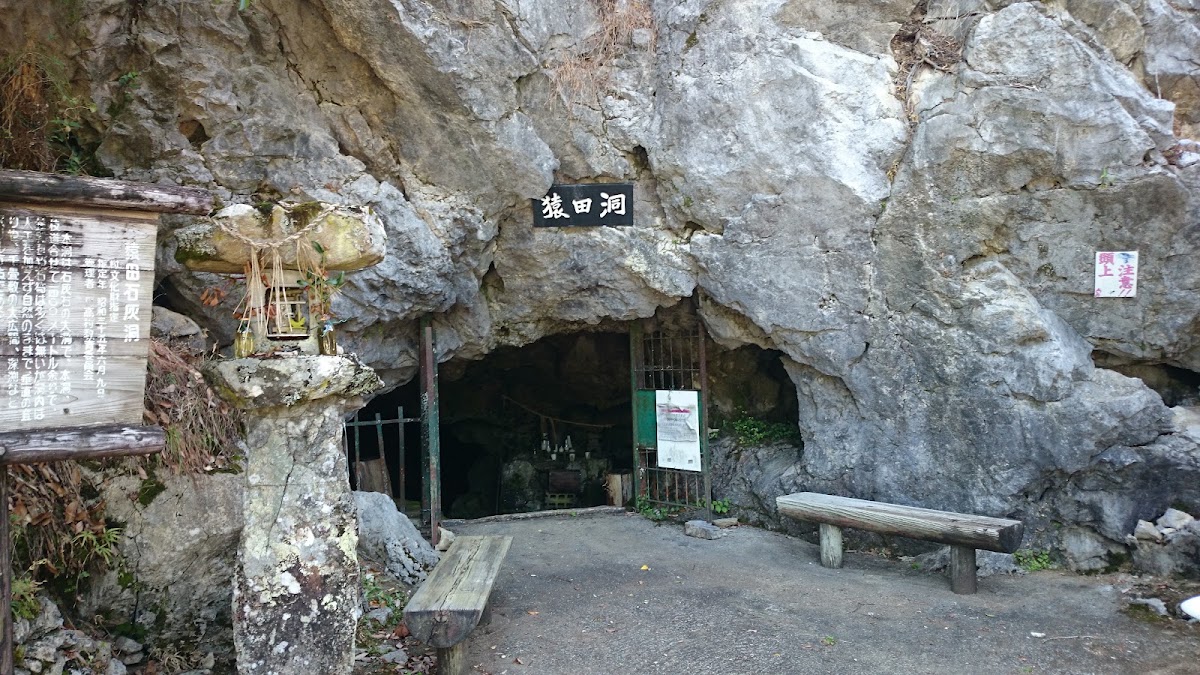
📍 Address: 1591 Okina, Hidaka, Takaoka District, Kochi 781-2152, Japan
For active travelers to Kochi seeking ‘extraordinary thrills that others haven’t experienced,’ we highly recommend ‘Sarudado Cave’ in Hidaka Village. This is not a safe, commercialized limestone cave, but a ‘genuine cave’ where untouched nature remains as it is. It’s a deep caving (cave exploration) spot known to few, with a legend that the ninja Kusaka Mohei once trained here.
There are no lighting facilities whatsoever inside; step in, and true darkness awaits. The thrill of navigating narrow crawl spaces, muddy steep slopes, puddles, and even climbing 4-5 meter ladders, relying solely on your headlamp’s beam, is truly like something out of an Indiana Jones movie. In winter, you might even encounter groups of hibernating bats (‘bat dumplings’). Due to its natural, unsecured state, there’s a risk of falls and other dangers, making it unsuitable for those with acrophobia or claustrophobia.
As an absolute prerequisite for enjoying this adventure, avoid entering alone. It’s best to contact the Hidaka Village Tourism Association (Village Information Center Hidaka) and arrange a guided caving experience. A guide’s explanation of the cave’s formation and history will double your enjoyment, and most importantly, provide a significant sense of safety. While helmets, headlamps, boots, and work gloves are essential gear, they can be rented from the tourism association, allowing travelers to embark on this challenge lightly. Be prepared to get muddy, but the sense of accomplishment the moment you emerge from the darkness into the light outside will undoubtedly be one of the most intense memories of your Kochi trip.
Tips for Enjoying Kochi Tourism 120%
Kochi Prefecture’s tourist attractions are scattered over a wide area, from Kochi City to the coastal and mountainous suburbs. Therefore, traveling by rental car is the most efficient, but if using public transport, utilizing the tram (Tosaden) or a ‘MY Yu Bus’ one-day pass, which covers tourist areas, is very economical and convenient.
Furthermore, historical spots in Kochi (such as castles, limestone caves, and natural caves) are characterized by many ‘steep stairs’ and ‘uneven terrain.’ Even if your itinerary is mainly urban sightseeing, it’s a golden rule to choose comfortable sneakers or non-slip shoes for your footwear. Moreover, doing a little research on the historical backgrounds and stories (like the meaning of the Yosakoi Bushi lyrics or architectural ingenuities unique to a rainy region) will dramatically change how you perceive the scenery before you. Please enjoy your trip to Kochi, where rich nature, delicious food, and human-centric historical dramas intertwine, with all your senses.


'%3E%3Cpath%20stroke='%23000'%20stroke-width='4'%20d='m-35-37-13%2020m5%203%2013-20m5%203-13%2020m63%2042%206-9m1-2%206-9m5%203-6%209m-1%202-6%209m5%203%206-9m1-2%206-9m-96%200%2013%2020m5-3-6-9m-1-2-6-9m5-3%2013%2020m63-42-6-9m-1-2-6-9m5-3%2013%2020m5-3-6-9m-1-2-6-9'/%3E%3Ccircle%20r='24'%20fill='%23cd2e3a'/%3E%3Cpath%20fill='%230047a0'%20d='M0%200a12%2012%200%201%201%2020%2013%2024%2024%200%201%201-40-26A12%2012%200%201%200%200%200'/%3E%3C/g%3E%3C/svg%3E)
'/%3E%3Cpath%20fill='%23b2b2b2'%20d='M241%20382q0%2016%2017%2026%2017%2011%2042%2011t42-11q16-11%2017-26V269H241'/%3E%3Cpath%20fill='%239f7e00'%20d='M241%20379q0%2014%208%2023%209%209%2021%209%2014%200%2021-9%209-9%209-23V269h-59'/%3E%3Cpath%20d='M241%20339v-70h59v110q0%2014-9%2023l-6%205v-68h-15v72q-8%200-14-4v-68zm59%2040c0%2022%2015%2032%2029%2032%2021%200%2030-18%2030-32v-40h-59'/%3E%3Cpath%20fill='%239f7e00'%20d='M266%20277v5h2v12h-3v-5h2v-5h-9v5h2v5h-4v9h3v18h-5v10h34v-10h-5v-18h3v-9h-4v-5h2v-5h-9v5h2v5h-3v-12h2v-5zm42%20101q0%2010%206%2017%206%206%2015%207%2010-1%2016-7%206-7%206-17v-29h-43'/%3E%3Ccircle%20fill='%230044ad'%20cx='329.5'%20cy='372'%20r='6'/%3E%3Cellipse%20fill='%230044ad'%20cx='300'%20cy='340'%20rx='16'%20ry='21'/%3E%3C/svg%3E)


