

Roppongi: Where History and Cutting-Edge Intersect
When travelers hear ‘Roppongi,’ many envision a modern city with massive commercial complexes, glamorous nightlife, and cutting-edge art. However, take a step into its backstreets, and you’ll discover a district with truly diverse faces: remnants of Edo-period daimyo residences, beautiful cherry blossom-lined streets imbued with people’s sentiments, and quietly remaining steep slopes.
This time, we’ve carefully selected 5 ‘deep attractions in Roppongi’ that we absolutely recommend travelers visit. From classic scenic viewpoints to historic slopes only discovered by walking, we passionately explain their origins and must-see highlights.
Mohri Garden
📍 Address: 6-10-1 Roppongi, Minato City, Tokyo 106-6108, Japan
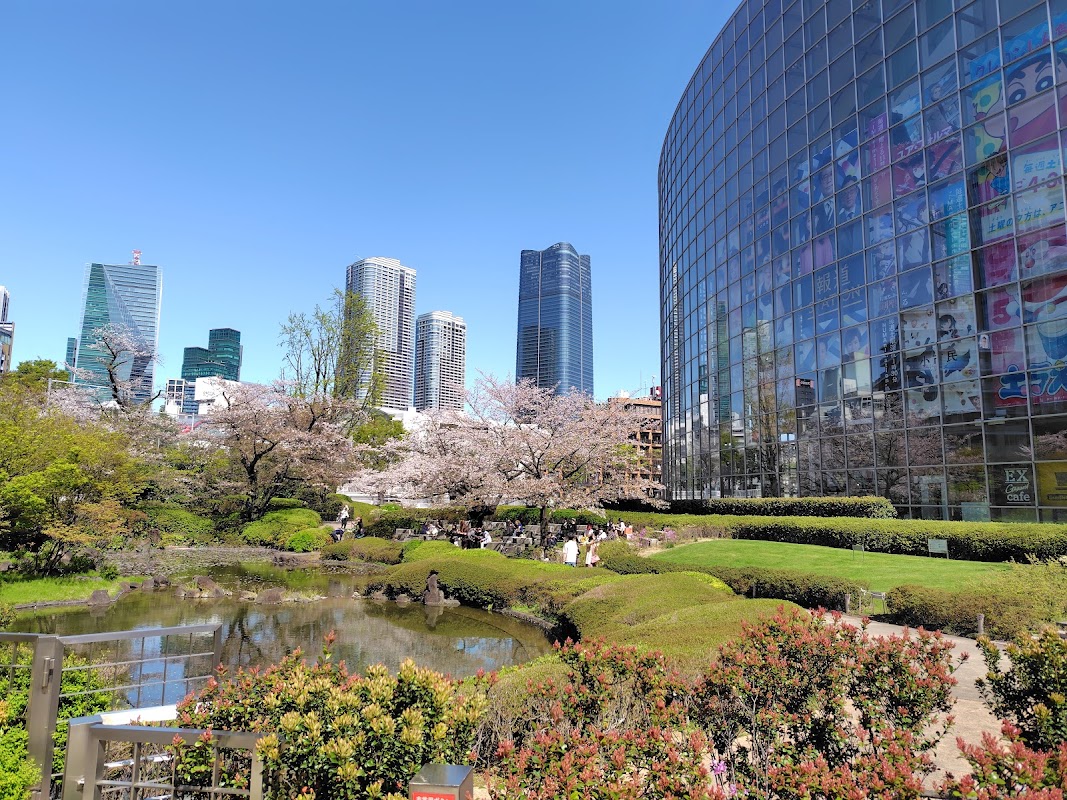
Spreading at the foot of Roppongi Hills, this approximately 4,300㎡ pond-strolling garden is an ‘urban oasis’ enveloped in silence amidst modern high-rises. But it’s not just beautiful greenery. This was once the site of Chofu Domain Lord Mōri Tsunamoto’s Azabu upper residence, and after the attack on Kira’s mansion in 1702, ten Akō rōnin were placed here, achieving their samurai honor by committing seppuku – making it a ‘Chushingura (The 47 Ronin) holy ground’.
Furthermore, if you peer into Mohri Pond within the garden, you can see small medaka (Japanese killifish) swimming gracefully. These are descendants of ‘space medaka’ that were born in a Space Shuttle in 1994 and released in 2003 by astronaut Mamoru Mohri and others. From historical romance to cosmic mystery, this garden is filled with dramas that transcend time and space.
The pond also features Jean-Michel Othoniel’s heart-shaped public art, ‘Kin no Kokoro,’ an excellent photo spot where you can capture the heart reflected in the water overlaid with the distant Tokyo Tower. In spring, you can enjoy beautiful cherry blossoms, and in autumn, vibrant autumn foliage, making it perfect for a post-lunch stroll.
Roppongi Hills Observation Deck Tokyo City View
📍 Address: 52F Roppongi Hills Mori Tower, 6-10-1 Roppongi, Minato City, Tokyo 106-0032, Japan
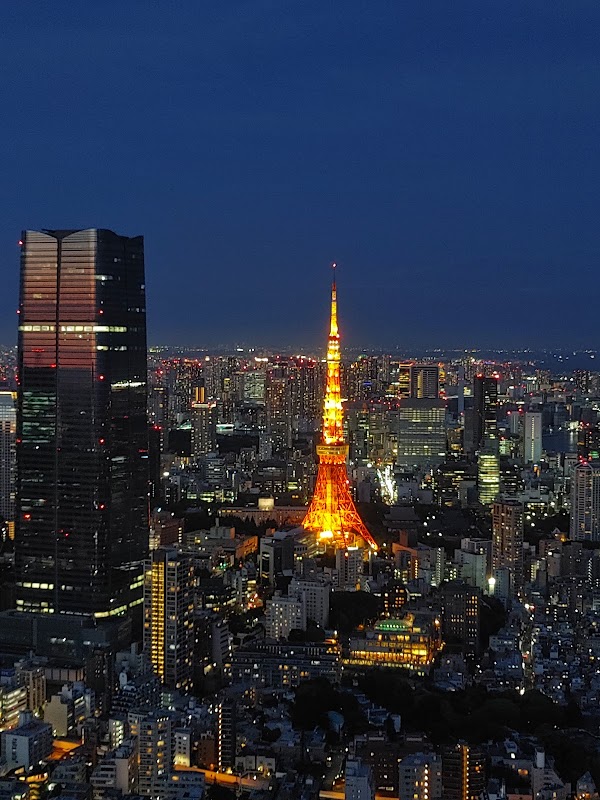
Located on the 52nd floor of Roppongi Hills Mori Tower, the observation deck offers an overwhelming panoramic space with 360-degree views of Tokyo. The cityscape of Tokyo, seen from a massive 11-meter-high floor-to-ceiling window, is so vast that it makes you feel small. Tokyo Tower, in particular, is visible from its base to its tip without obstruction, and the luxurious composition that allows you to capture the Skytree in the same frame is very popular among travelers.
The most recommended time to visit is from ‘Magic Hour,’ when the sky turns a deep blue, until night. The headlights of the Shuto Expressway below flow like rivers of light, and the city lights sparkle like jewels in the ‘sleepless city of Tokyo,’ a breathtakingly beautiful sight. (Note: For indoor viewing, be careful of reflections on the glass at night and try to get your camera close to the window for the best shots.)
The Mori Art Museum and galleries are also located on the same floor, offering the significant advantage of enjoying both spectacular views and cutting-edge art simultaneously. It’s a special space for adults, full of intellectual stimulation.
Roppongi Hills 66 Plaza
📍 Address: 6-10-1 Roppongi, Minato City, Tokyo 106-0032, Japan
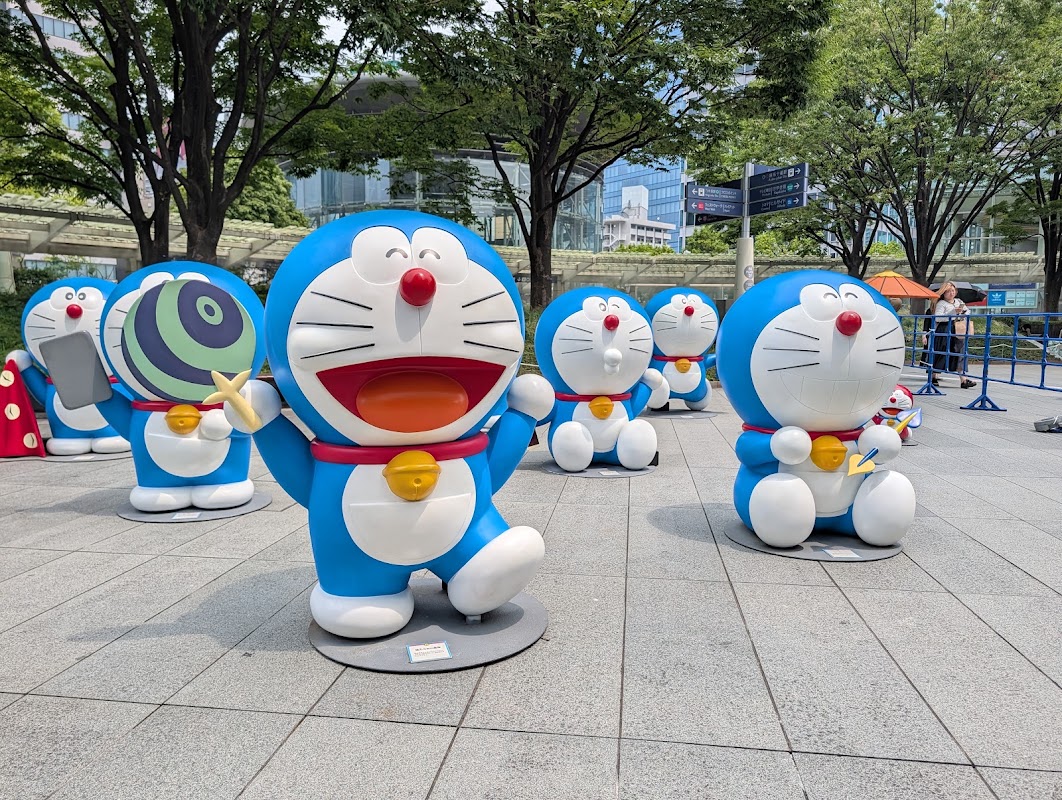
’66 Plaza’ is the main entrance to Roppongi Hills, a bustling meeting point. At the center of the plaza, Louise Bourgeois’s colossal bronze spider sculpture, ‘Maman,’ stands majestically, welcoming travelers as a symbol of Roppongi Hills.
The view from here towards Azabudai Hills and Tokyo Tower is also excellent, offering clear lines of sight, making it a superb photo spot. Above all, the true delight of 66 Plaza is how it transforms with each season. In the past, giant ‘Flower Parent and Child’ sculptures by Takashi Murakami and bird sculptures by Tiffany & Co. have appeared, showcasing world-class art and events without reservation.
In winter, the space is enveloped in sophisticated and stylish illuminations, themed ‘Luminous’ or ‘Bouquet,’ featuring colorful LEDs. It’s an energetic plaza where you can feel the latest pulse of Tokyo just by stopping by while shopping.
Nadarezaka Slope
📍 Address: 3-4-24 Roppongi, Minato City, Tokyo 106-0032, Japan
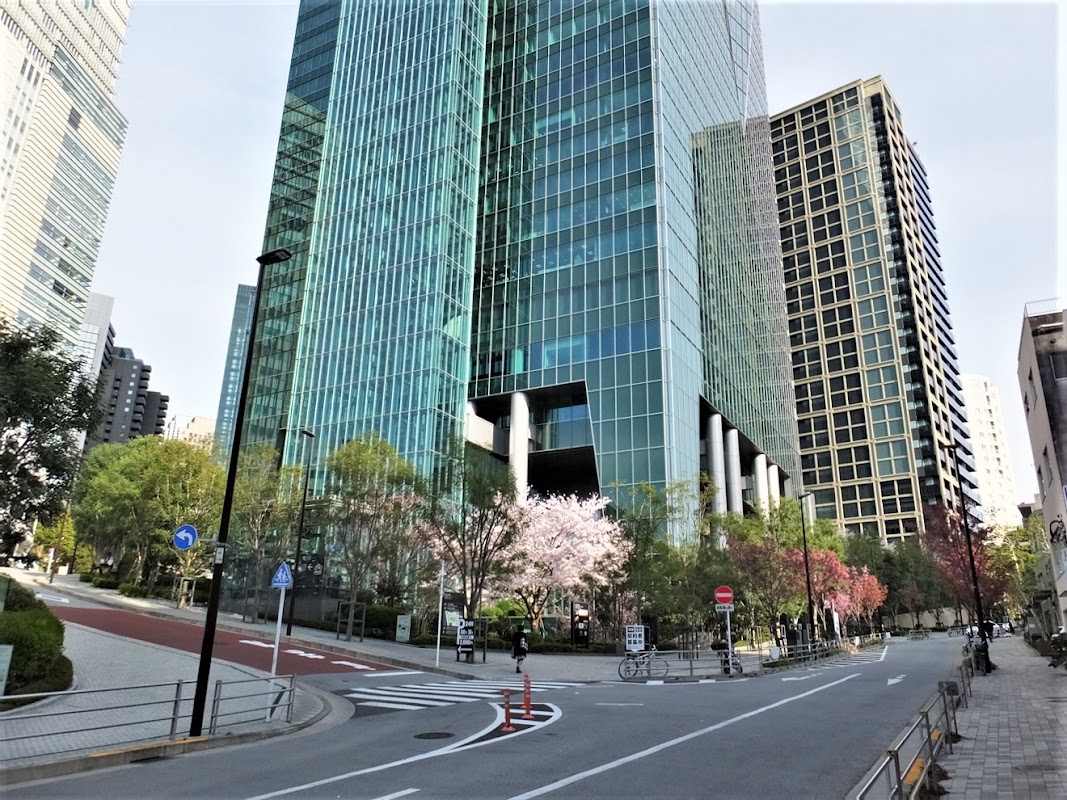
‘Nadarezaka Slope’ had its pedestrian path widened and brightened with the development of Roppongi Grand Tower. It is a historic slope, once called Ryūtsui (流垂) or Natare (奈太礼) due to past landslides.
The true charm of this slope lies in the ‘Yokozakura (陽光桜)’ cherry blossoms that bloom in early spring. These cherry blossoms, which are a deeper pink than Somei Yoshino and bloom a little earlier, hold a deeply moving story. They were created by a former teacher who regretted his students going off to war, never to return. He crossbred ‘Amagi Yoshino’ and ‘Kanhi-zakura’ to create these blossoms, dedicating them to their repose and a prayer for peace.
Beyond simply admiring their beauty, try walking the slope with the ‘history of prayer’ behind them in mind. Both the view looking down from the top and looking up from the bottom will be etched more deeply into your heart.
Dogenji Slope
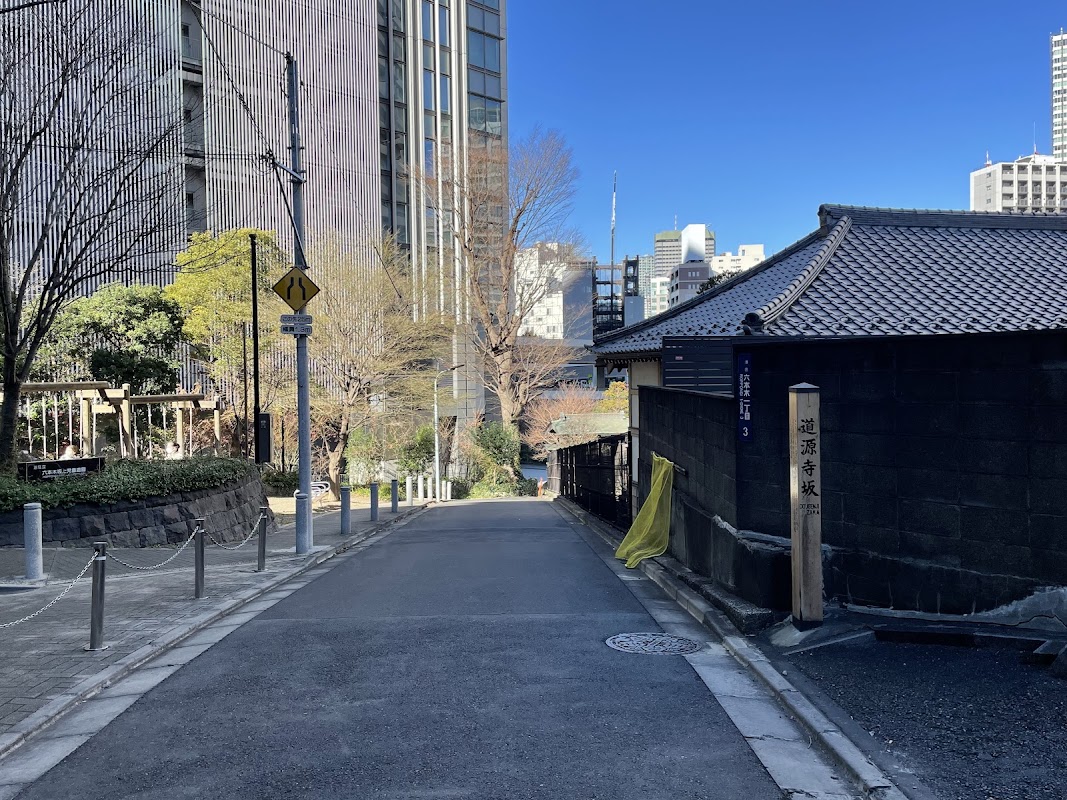
📍 Address: 1-3-49 Roppongi, Minato City, Tokyo 106-0032, Japan
Immediately near Roppongi-itchome Station, tucked beside the modern Izumi Garden Residence, is a narrow pedestrian-only slope that quietly remains. Its name comes from ‘Dogenji Temple,’ which stood atop the slope since the early Edo period, and it is also known as ‘Dogenzaka.’
This slope, running parallel to Spainzaka, is so narrow and steep that cars cannot pass through. It creates a striking contrast with the surrounding glass-clad skyscrapers, making you marvel at how it survived the waves of large-scale urban redevelopment.
The ever-changing scenery as you ascend the slope and the views of the sky framed by the valleys of buildings are truly a ‘privilege only walkers can enjoy.’ This tranquility, encountered just one street behind the bustling main avenues, is a perfect hidden gem for travelers seeking to explore Roppongi’s deeper charms.
Tips for a 120% Enjoyable Roppongi Sightseeing Trip
The Roppongi area is generally quite hilly, with named slopes like ‘Nadarezaka’ and ‘Dogenji Slope’ crisscrossing it. If you plan to enjoy walking around the city, it’s essential to wear comfortable sneakers or walking shoes.
Also, if you’re exploring around Roppongi Hills, we recommend using a combined ticket for the observation deck (Tokyo City View) and the Mori Art Museum. Plan your route to start around 4 PM, visiting ‘Mohri Garden’ and ’66 Plaza’ to enjoy art and nature, then head up to the observation deck about 30 minutes before sunset (Magic Hour) to experience the dramatic transition from bright Tokyo cityscapes to a breathtaking night view most efficiently and impressively.


'%3E%3Cpath%20stroke='%23000'%20stroke-width='4'%20d='m-35-37-13%2020m5%203%2013-20m5%203-13%2020m63%2042%206-9m1-2%206-9m5%203-6%209m-1%202-6%209m5%203%206-9m1-2%206-9m-96%200%2013%2020m5-3-6-9m-1-2-6-9m5-3%2013%2020m63-42-6-9m-1-2-6-9m5-3%2013%2020m5-3-6-9m-1-2-6-9'/%3E%3Ccircle%20r='24'%20fill='%23cd2e3a'/%3E%3Cpath%20fill='%230047a0'%20d='M0%200a12%2012%200%201%201%2020%2013%2024%2024%200%201%201-40-26A12%2012%200%201%200%200%200'/%3E%3C/g%3E%3C/svg%3E)
'/%3E%3Cpath%20fill='%23b2b2b2'%20d='M241%20382q0%2016%2017%2026%2017%2011%2042%2011t42-11q16-11%2017-26V269H241'/%3E%3Cpath%20fill='%239f7e00'%20d='M241%20379q0%2014%208%2023%209%209%2021%209%2014%200%2021-9%209-9%209-23V269h-59'/%3E%3Cpath%20d='M241%20339v-70h59v110q0%2014-9%2023l-6%205v-68h-15v72q-8%200-14-4v-68zm59%2040c0%2022%2015%2032%2029%2032%2021%200%2030-18%2030-32v-40h-59'/%3E%3Cpath%20fill='%239f7e00'%20d='M266%20277v5h2v12h-3v-5h2v-5h-9v5h2v5h-4v9h3v18h-5v10h34v-10h-5v-18h3v-9h-4v-5h2v-5h-9v5h2v5h-3v-12h2v-5zm42%20101q0%2010%206%2017%206%206%2015%207%2010-1%2016-7%206-7%206-17v-29h-43'/%3E%3Ccircle%20fill='%230044ad'%20cx='329.5'%20cy='372'%20r='6'/%3E%3Cellipse%20fill='%230044ad'%20cx='300'%20cy='340'%20rx='16'%20ry='21'/%3E%3C/svg%3E)


