

Kamakura Daibutsu (Great Buddha) at Kotokuin Temple
📍 Address: 4 Chome-2-28 Hase, Kamakura, Kanagawa 248-0016, Japan
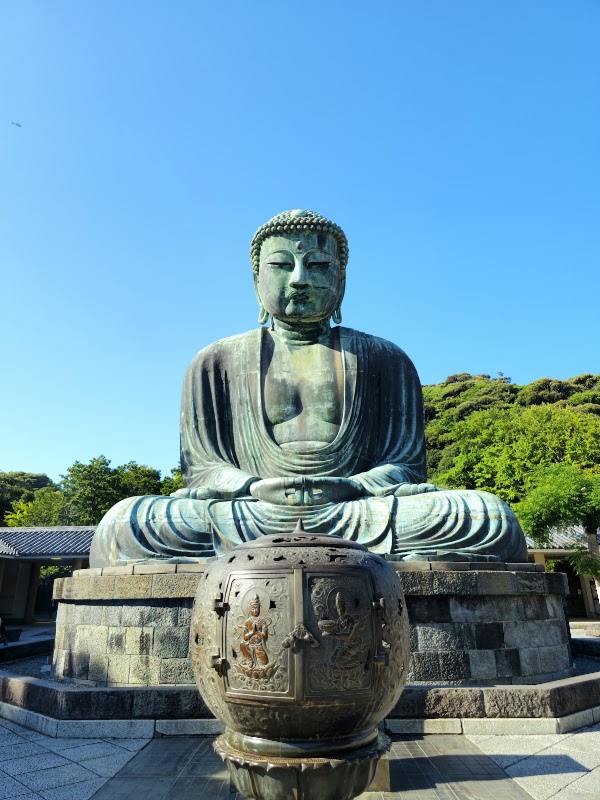
The ‘Kamakura Daibutsu,’ a symbol of Kamakura, is a colossal seated statue of Amitabha Buddha, standing approximately 11 meters tall. This National Treasure, whose construction reportedly began in 1252, was once housed within a magnificent temple hall. However, it gained its current ‘roza’ (open-air) form after the building collapsed due to a tsunami caused by a major earthquake in 1498 (Meio 7). Despite being exposed to the elements, it beautifully retains its form from about 750 years ago, with faint traces of gold leaf on its cheeks, exuding immense strength and compassion.
A must-do experience when visiting here is the ‘Tainai Haikan’ (interior viewing). For a small additional fee of a few dozen yen, you can step inside the Great Buddha. The interior reveals the seams where the artisans cast the statue in over 30 separate sections, offering a profound experience where you can truly feel the meticulous craftsmanship and passion of the time. It’s a precious opportunity to learn about the structure and creation of Buddhist statues from the inside.
To avoid crowds and quietly contemplate the Great Buddha, the best time to visit is at 8 AM, right after opening. Also, Enoden Hase Station can get extremely crowded on weekends, making it difficult to board trains. A clever travel tip is to take a bus from the stop right outside the Great Buddha to Kamakura Station on your way back.
Hokokuji Temple
📍 Address: 2 Chome-7-4 Jomyoji, Kamakura, Kanagawa 248-0003, Japan
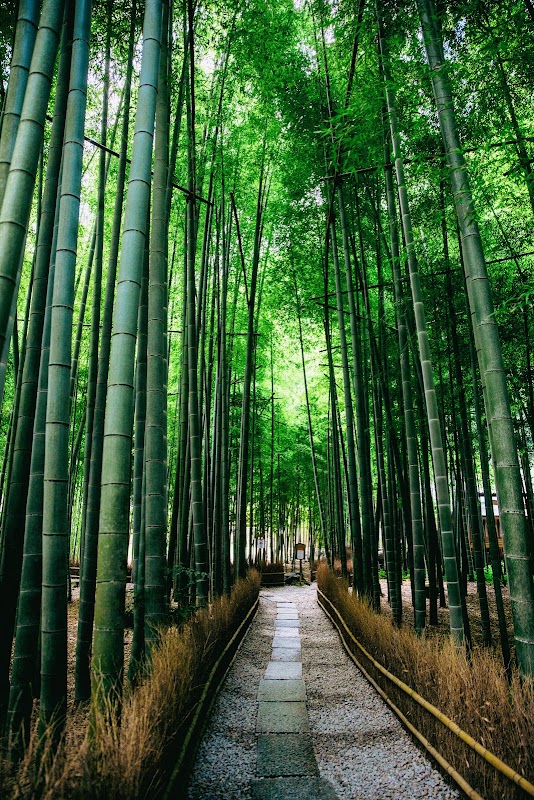
Hokokuji Temple, often called the ‘Bamboo Temple,’ attracts tourists from around the world. Founded in 1334, it’s an ancient Zen temple of the Rinzai sect’s Kenchoji branch. With historical ties to the Ashikaga and Uesugi families, it’s a premier scenic spot that has earned three stars in the Michelin Green Guide. The bamboo garden behind the main hall, home to about 2,000 moso bamboo trees, transforms the air into a cool, tranquil haven, completely separate from the hustle and bustle of Kamakura.
An absolute must-do here is the matcha experience at the tea ceremony venue ‘Kyuko-an.’ By purchasing a separate matcha ticket set along with your admission, you can enjoy freshly prepared matcha and rakugan (dry confectionary) at the teahouse deep within the bamboo grove, listening to the rustling leaves in the wind. The sweetness of the rakugan and the gentle bitterness of the matcha are an exquisite pairing, perfect for cleansing both mind and body.
The temple grounds also feature meticulously maintained karesansui (dry landscape gardens) and moss gardens, offering picturesque views at every turn. If you wish to get a Goshuin (temple stamp), the system allows you to deposit your Goshuincho (stamp book) at the entrance and pick it up after your stroll, enabling you to leisurely immerse yourself in the soothing greenery without worrying about waiting times.
Hasedera Temple
📍 Address: 3 Chome-11-2 Hase, Kamakura, Kanagawa 248-0016, Japan
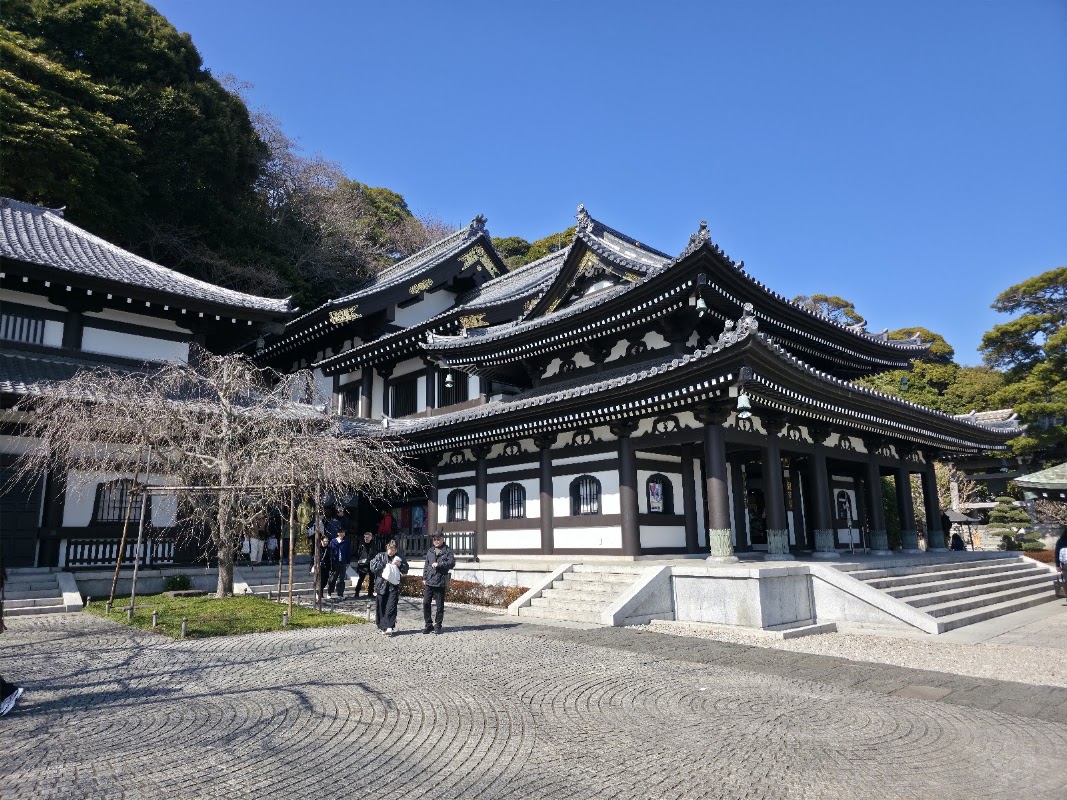
Hasedera Temple, famous as the ‘Flower Temple,’ is an ancient temple said to have been founded in 736. Its principal image, the Eleven-headed Kannon Bodhisattva statue, stands at an impressive 9.18 meters, making it one of Japan’s largest wooden Buddhist statues. While renowned for its seasonal beauty, such as hydrangeas (about 40 varieties, 2,500 plants) in early summer and autumn foliage light-ups, there’s more to discover.
A hidden gem often overlooked is the ‘Benten-kutsu Cave’ located deep within the temple grounds. This cave, where Kobo Daishi (also known as Kukai) is said to have undertaken ascetic training, features carvings of Benzaiten and the Sixteen Attendants on its walls. Exploring the dimly lit cave by candlelight offers an adventurous experience. It’s a mystical power spot where you can pay respects to the child deities, each associated with specific blessings.
Furthermore, from the observation deck on the hill, you can enjoy a panoramic view of the blue Yuigahama Beach. Indulging in shaved ice or light meals at the adjacent ‘Kaikō-an’ restaurant/cafe while admiring the superb view is a blissful experience. Searching for the charming ‘Nagomi Jizo’ and ‘Ryōen Jizo’ (matchmaking Jizo) hidden throughout the grounds is another delightful way for travelers to enjoy their visit.
Tsurugaoka Hachimangu Shrine
📍 Address: 2 Chome-1-31 Yukinoshita, Kamakura, Kanagawa 248-8588, Japan
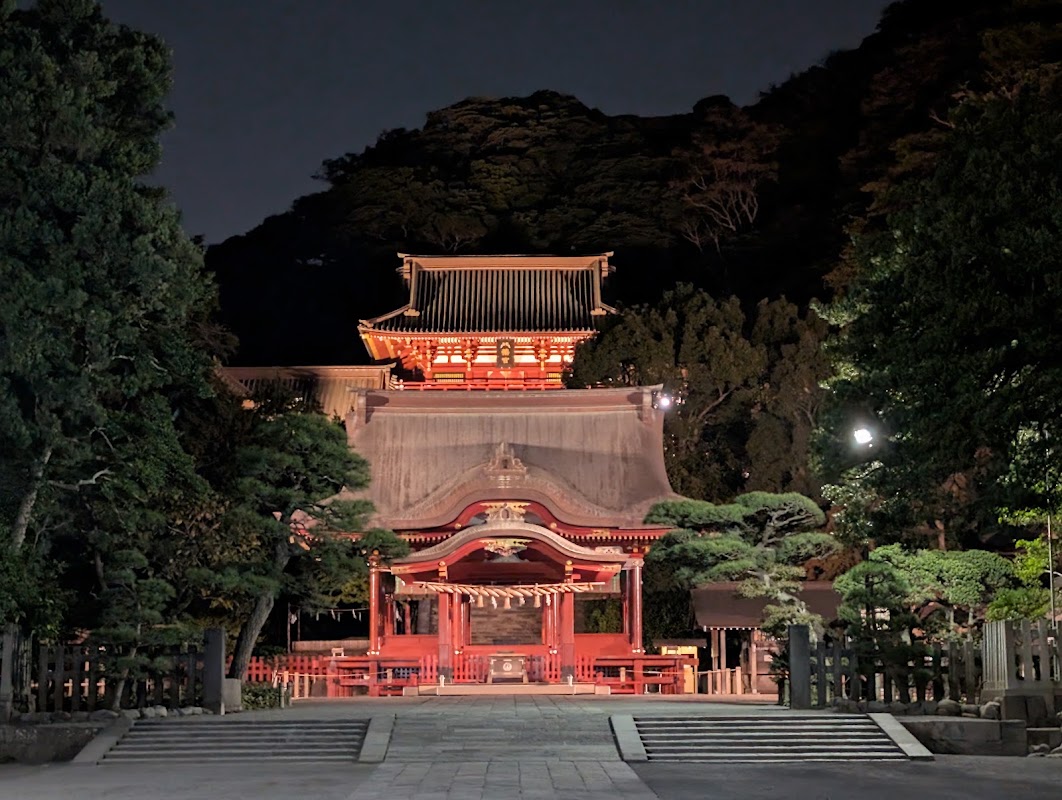
Tsurugaoka Hachimangu Shrine is a symbol of Kamakura and was placed at the center of Minamoto Yoritomo’s city planning. Since its relocation to its current site in 1180, it has been deeply revered as the guardian deity of warriors. When approaching from Kamakura Station, be sure to walk along the ‘Dankazura,’ a raised approach in the center of the road. This historic pathway, originally built for Hojo Masako’s prayers for safe childbirth, transforms into a beautiful tunnel during cherry blossom season, elevating the journey’s emotional experience to its peak.
While the shrine is bustling with international and local tourists during the day, ‘before 7 AM’ for an early morning visit is highly recommended to truly feel the local atmosphere. A sacred ‘qi’ flows through the quiet grounds with fewer people, and the exhilarating feeling upon ascending the grand stone steps leading to the Main Shrine is exceptional. You also have a higher chance of encountering wild squirrels and white doves.
Furthermore, don’t miss the ‘Maruyama Inari Shrine’ located to the back left of the Main Shrine. Surrounded by red banners, this small shrine on a hill is the oldest building within Tsurugaoka Hachimangu’s precincts, dating back to the Muromachi period. It’s a powerful spot for business prosperity, known to locals as a hidden gem.
Minamoto Yoritomo Statue
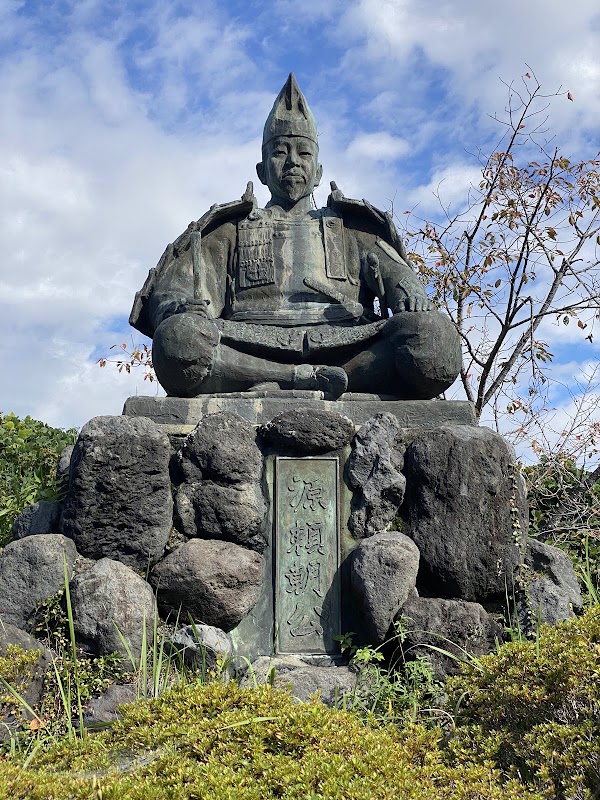
📍 Address: 4 Chome-14-7 Ogigayatsu, Kamakura, Kanagawa 248-0011, Japan
Minamoto Yoritomo is indispensable when discussing Kamakura’s history. A bronze statue of him, approximately 2 meters tall, stands in the central plaza of ‘Genjiyama Park,’ near Zeniarai Benzaiten Shrine. This statue was erected in 1980 to commemorate the 800th anniversary of Yoritomo establishing the shogunate in Kamakura. With a youthful yet dignified face, depicting him in his early thirties, he quietly gazes down upon the city of Kamakura.
The path to reach here involves steep slopes and hiking trails, so wearing comfortable walking shoes, such as sneakers, is essential. The Yoritomo statue, which appears after a breathless climb, looks particularly striking against a clear blue sky. A romantic anecdote also hides nearby: a time capsule, filled with the dreams of Kamakura citizens, is buried around the statue and is scheduled to be opened in 2050.
As it’s slightly off the main tourist routes, there are relatively fewer foreign visitors, making it a secluded spot to quietly soak in the echoes of history. In spring, cherry blossoms, and in autumn, ginkgo and maple leaves beautifully adorn the area, making it ideal for a leisurely picnic.
Tips for Enjoying Your Kamakura Trip 120%
Kamakura is dense with historical sites, so a few tips are needed to tour efficiently. Firstly, it’s a golden rule to visit extremely popular national spots like Tsurugaoka Hachimangu Shrine and the Kamakura Great Buddha ‘in the morning (preferably first thing).’ Avoiding crowds allows you to fully appreciate the inherent mystical atmosphere of each location.
Also, the Enoden railway is an excellent way to heighten your travel mood, but it can get so crowded on weekends and holidays that entry restrictions are imposed. A technique for seasoned travelers is to alternate between ‘taking the Enoden on the way there and a local bus on the way back,’ or boldly exploring the backstreets on foot. For this reason, be sure to choose comfortable walking shoes, such as sneakers.
Finally, advice for those collecting Goshuin (temple stamps). At facilities that offer direct calligraphy, like Kotokuin Temple (home of the Great Buddha), it’s not uncommon to wait 30-40 minutes on weekends. A smart move to make efficient use of your time is to hand over your Goshuincho to the staff (or complete the reception process) before you start your visit. Enjoy your best Kamakura trip, filled with history and natural healing!


'%3E%3Cpath%20stroke='%23000'%20stroke-width='4'%20d='m-35-37-13%2020m5%203%2013-20m5%203-13%2020m63%2042%206-9m1-2%206-9m5%203-6%209m-1%202-6%209m5%203%206-9m1-2%206-9m-96%200%2013%2020m5-3-6-9m-1-2-6-9m5-3%2013%2020m63-42-6-9m-1-2-6-9m5-3%2013%2020m5-3-6-9m-1-2-6-9'/%3E%3Ccircle%20r='24'%20fill='%23cd2e3a'/%3E%3Cpath%20fill='%230047a0'%20d='M0%200a12%2012%200%201%201%2020%2013%2024%2024%200%201%201-40-26A12%2012%200%201%200%200%200'/%3E%3C/g%3E%3C/svg%3E)
'/%3E%3Cpath%20fill='%23b2b2b2'%20d='M241%20382q0%2016%2017%2026%2017%2011%2042%2011t42-11q16-11%2017-26V269H241'/%3E%3Cpath%20fill='%239f7e00'%20d='M241%20379q0%2014%208%2023%209%209%2021%209%2014%200%2021-9%209-9%209-23V269h-59'/%3E%3Cpath%20d='M241%20339v-70h59v110q0%2014-9%2023l-6%205v-68h-15v72q-8%200-14-4v-68zm59%2040c0%2022%2015%2032%2029%2032%2021%200%2030-18%2030-32v-40h-59'/%3E%3Cpath%20fill='%239f7e00'%20d='M266%20277v5h2v12h-3v-5h2v-5h-9v5h2v5h-4v9h3v18h-5v10h34v-10h-5v-18h3v-9h-4v-5h2v-5h-9v5h2v5h-3v-12h2v-5zm42%20101q0%2010%206%2017%206%206%2015%207%2010-1%2016-7%206-7%206-17v-29h-43'/%3E%3Ccircle%20fill='%230044ad'%20cx='329.5'%20cy='372'%20r='6'/%3E%3Cellipse%20fill='%230044ad'%20cx='300'%20cy='340'%20rx='16'%20ry='21'/%3E%3C/svg%3E)


