

Feel the Vibrancy of Asakusa! Souvenir Hunting Where History and Deliciousness Intersect
Asakusa, a highlight of Tokyo sightseeing, buzzes with countless tourists every day. The lively streets leading from Kaminarimon Gate to Senso-ji Temple are packed with a diverse array of gourmet foods and souvenirs, ranging from venerable establishments dating back to the Edo period to new favorites captivating today’s youth.
However, with so many renowned shops, it’s easy for visitors to overlook ‘where to buy what’ or ‘what history is hidden behind them’. This time, we’ve carefully selected must-visit shops for Asakusa souvenirs, delving beyond textbook explanations to uncover ‘the origins of these establishments,’ ‘deep insights,’ and practical tips for cleverly avoiding queues.
Nakamise Shopping Street
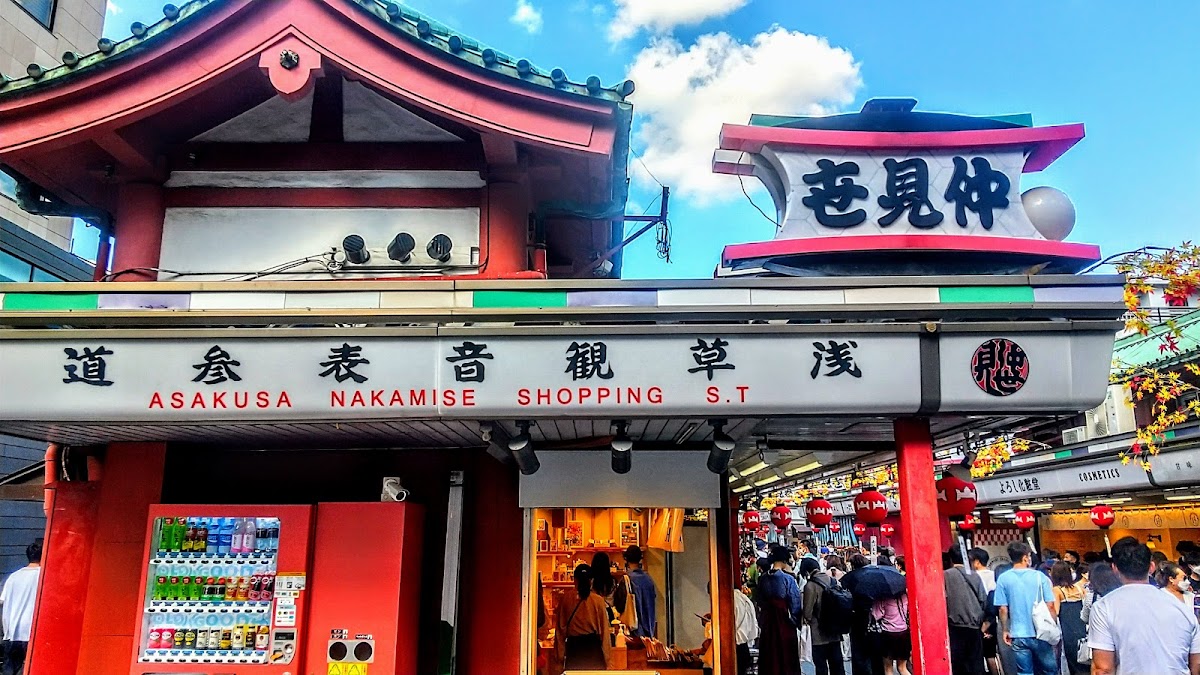
📍 Address: 1-36-3 Asakusa, Taito City, Tokyo 111-0032, Japan
Stretching approximately 250 meters from Kaminarimon Gate to Hozomon Gate of Senso-ji Temple, Nakamise Shopping Street is one of Japan’s oldest shopping streets. Its roots trace back to the Genroku-Kyoho era (1688-1735) of the Edo period. When the number of pilgrims to Senso-ji Temple rapidly increased, residents in the vicinity who were tasked with cleaning the temple grounds were granted special privileges to set up stalls along the approach. Today, traditional souvenir shops selling items like Ningyo-yaki and Kaminari-okoshi, as well as Japanese general goods stores, line the street, making it a superb tourist spot where you can feel the old-town atmosphere just by walking around.
While it’s a bustling street teeming with domestic and international tourists during the day, did you know there are profound sights that can only be seen ‘early in the morning and at night’? After all the shops close, the shutters stretching about 380 meters become a magnificent canvas, revealing the ‘Asakusa Emaki’ (Asakusa Picture Scroll) depicting the Sanja Matsuri festival and seasonal traditions. This artwork was produced in 1989 under the supervision of professors from Tokyo University of the Arts, and when viewed with the illuminated Senso-ji Temple at night, it’s breathtakingly mystical.
While ‘shopping for souvenirs in the lively daytime atmosphere’ is certainly an option, we highly recommend visiting during the night or early morning when the shops are closed if you want to avoid crowds, take photos leisurely, or savor the local ambiance. (Note: Eating purchased items while walking is currently considered poor etiquette; please enjoy them around the store where you bought them to avoid inconveniencing other shops.)
Asakusa Kagetsudo Honten
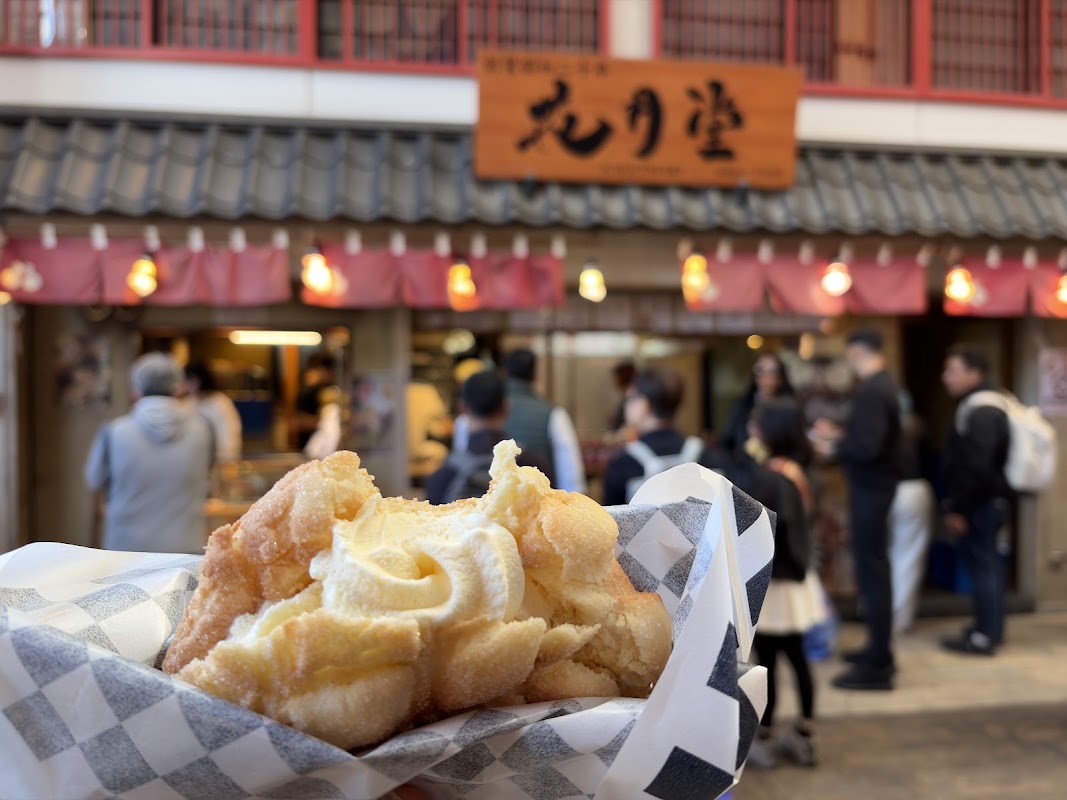
📍 Address: 2-7-13 Asakusa, Taito City, Tokyo 111-0032, Japan
Venturing down a side street a little off the hustle and bustle of Nakamise Dori, you’ll catch a sweet, fragrant aroma. Founded in 1945 (Showa 20), ‘Asakusa Kagetsudo Honten’ is a hugely popular shop known for its famous ‘Jumbo Melon Pan,’ which sells over 3,000 units a day. It’s not uncommon to see crowds forming even before opening, but the takeout service is very fast, so you can often purchase one after queuing for just a few minutes, which is a welcome point for travelers.
This melon pan isn’t just big. It hides a unique baking method developed over 15 years by the owner, who majored in fermentation science at university. By employing a ‘3-hour low-temperature, long-time fermentation’ process – three times longer than typical bread making – the dough expands to its absolute limit, resulting in a crispy (or rather, crunchy!) outer cookie layer and an unbelievably soft, light texture inside that dents with just a touch. It’s an authentic delicacy that relies on savory aroma and gentle sweetness, not artificial melon flavoring.
While it’s possible to take it home as a souvenir, due to its delicate, fluffy texture, it’s easily crushed. The best recommendation is to ‘devour it right there on the spot after buying it.’ The light, melt-in-your-mouth sensation the moment it enters your mouth is an experience you can only savor here in Asakusa. If you do take it home, a quick reheat in a toaster will revive its crispiness.
Funawa Honten (Funawa)
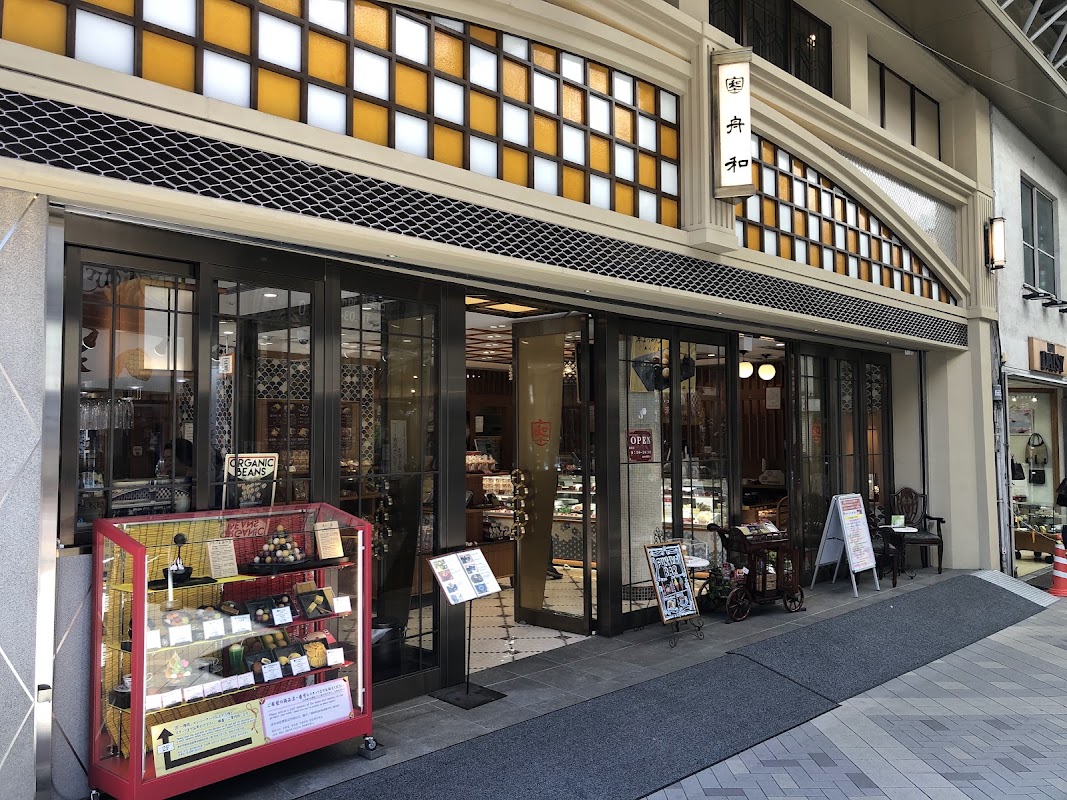
📍 Address: 1-22-10 Asakusa, Taito City, Tokyo 111-0032, Japan
When you hear ‘Asakusa souvenir,’ many people likely first think of this shop’s ‘Imo-yokan.’ This is ‘Funawa,’ a venerable wagashi (Japanese confectionery) shop founded in Meiji 35 (1902). Back then, neri-yokan made with red beans was extremely expensive, an aspirational treat beyond the reach of common folk. Thus, the founder, who ran a sweet potato wholesale business in Asakusa, collaborated with a wagashi craftsman to devise ‘a delicious sweet that common people could afford using readily available ingredients.’ This was the beginning of imo-yokan, made with sweet potatoes.
Funawa’s Imo-yokan uses no artificial colors, preservatives, or fragrances whatsoever. Sweet potatoes are peeled one by one by hand, then kneaded with just sugar and a small amount of salt, allowing the simple, natural flavor of the potato to come through directly. Since no preservatives are added, the shelf life is very short, only 2-3 days, but this is a testament to its authenticity. Besides eating it as is, a connoisseur’s way to enjoy this souvenir at home is to pan-fry it with butter or toast it until golden brown in an oven toaster for a Western-style arrangement.
Furthermore, Funawa is also the ‘originator of mitsumame served in cafes.’ On the second floor of the main store, in a retro cafe corner that evokes Taisho Romance, you can savor exquisite sweets like mitsumame, anmitsu, and even soft-serve ice cream topped with imo-yokan. It’s an unparalleled choice for a break spot during a tiring day of sightseeing in Asakusa.
Asakusa Umesono
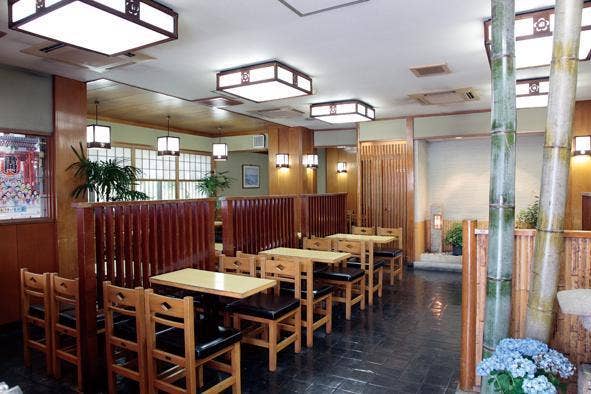
📍 Address: 1-31-12 Asakusa, Taito City, Tokyo 111-0032, Japan
Nestled quietly down a side street slightly off the bustling Nakamise Dori, yet exuding a distinct elegance, is ‘Asakusa Umesono,’ a traditional sweet shop founded in Ansei 1 (1854). Its origins trace back to a teahouse opened in a corner of ‘Baion-in,’ a sub-temple of Senso-ji. It was so popular that its prosperity was even depicted in the novel ‘Odoriko’ by literary giant Kafu Nagai, making it a revered establishment loved since the Edo period.
The absolute must-try delicacy here is the ‘Ganso Awa-zenzai,’ the signature dish since its founding. When you lift the lid of the lacquer bowl, glossy koshian (smooth red bean paste) and vibrant yellow mochi appear. Originally, awa-zenzai was made with foxtail millet (awa), but after World War II, when millet became difficult to obtain, the previous generation ingeniously started using ‘mochikibi’ (glutinous millet). The unique chewy yet springy texture of steamed and ‘half-pounded’ mochikibi combined with the exquisitely smooth koshian, slow-cooked to perfection, is truly a meticulously crafted taste of Edo. The pickled shiso berries served as a palate cleanser provide a stylish accent that resets the sweetness.
The shop operates with a retro Showa-era system where you first purchase a meal ticket (a traditional style, not plastic tags) at the entrance counter before taking a seat. It’s often relatively empty during lunchtime, making it a hidden gem in Asakusa for enjoying a leisurely and refined experience.
Kameju Confectionery
📍 Address: 2-18-11 Kaminarimon, Taito City, Tokyo 111-0034, Japan
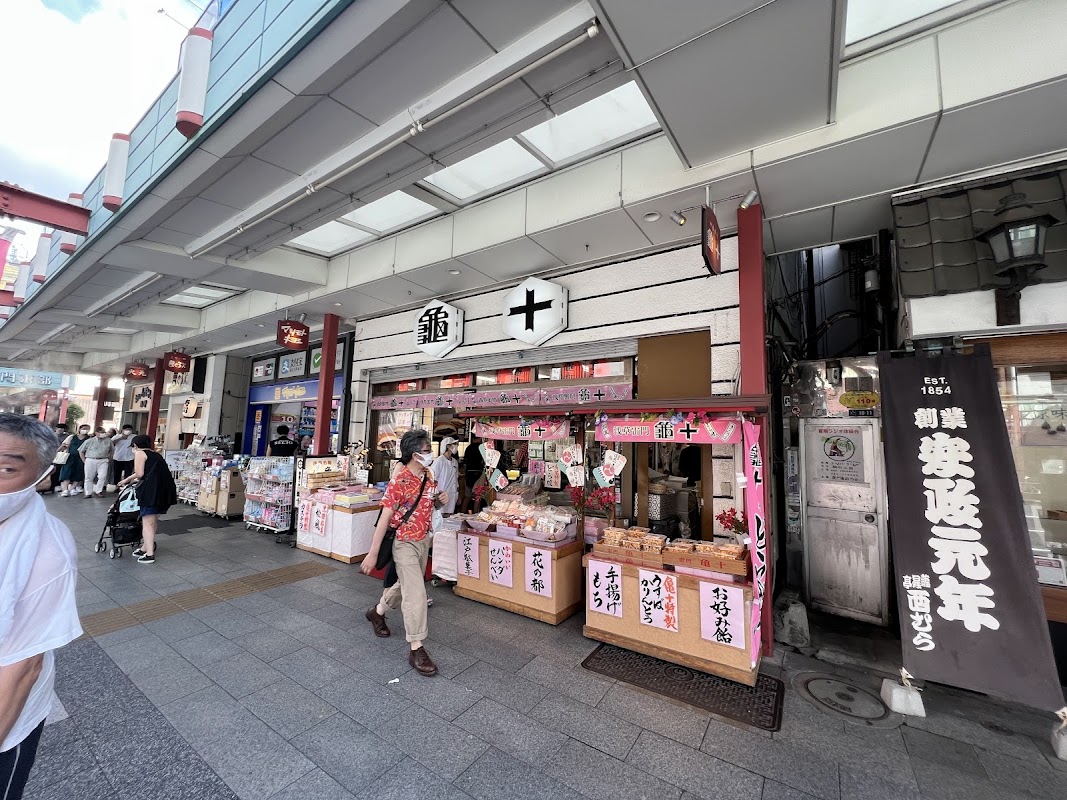
Located diagonally opposite Kaminarimon Gate, ‘Kameju Confectionery,’ founded in the late Taisho era, consistently draws long queues even before opening. It is renowned nationwide as a prime example of ‘Tokyo’s Three Great Dorayaki,’ and its quality is so high that you can confidently say it makes an unforgettable souvenir.
The greatest feature of Kameju’s dorayaki is its ‘skin,’ which overturns conventional dorayaki notions. The batter, incorporating Western confectionery techniques from its founding, is incredibly fluffy and airy, much like chiffon cake or pancakes. The unique uneven baking created by hand-grilling by artisans imparts a savory aroma and a handmade warmth. Inside, there’s a generous filling of ‘kuro-an’ (classic red bean paste) made from Hokkaido Tokachi-grown adzuki beans, and ‘shiro-an’ (white bean paste) made from kidney beans with an elegant sweetness. Despite its substantial size, the light texture of the cake allows you to finish it easily.
Furthermore, another hidden gem that regular customers always buy along with dorayaki is ‘Matsukaze.’ This is a Japanese-style roll cake with a surprisingly light steamed dough, fragrant with brown sugar, enveloping an elegant tsubushian (coarse red bean paste). Even if you’re queuing just for dorayaki, we highly recommend adding Matsukaze to your basket. Queuing is essential, but the staff’s guidance and smooth operations mean the wait isn’t as long as it appears. However, popular ‘shiro-an’ may sell out by evening, so visiting earlier in the day is recommended if you want to ensure purchase.
How to Enjoy Asakusa 120%: Strategies and Insider Tips
Asakusa’s tourist spots and popular shops are extremely crowded during the day, regardless of weekdays or holidays. However, by simply adjusting your timing slightly, you can experience the local atmosphere with surprising comfort.
The smartest strategy for souvenir hunting is to divide your visit into ‘conquering popular shops first thing in the morning’ and ‘capturing the scenery from evening to night.’ For example, for ‘Kameju,’ which always has a queue, it’s best to line up early in the morning to secure your desired dorayaki. Enjoy ‘Funawa’s Imo-yokan’ and ‘Kagetsudo’s Jumbo Melon Pan,’ which have short shelf lives, during your daytime strolls. Then, as the sun sets and shops begin to close, return to Nakamise Shopping Street, which will be miraculously clear of crowds, to admire the ‘Asakusa Emaki’ shutter art and offer a quiet prayer at Senso-ji Temple’s main hall. This is how a smart traveler, who knows both the front and back of Asakusa, enjoys the area.
While most shops are increasingly accepting credit cards and electronic money, some, like Kagetsudo, are cash-only. When visiting traditional local shops, it’s very convenient to have a good amount of small cash (1,000-yen bills and coins) ready for smooth transactions.


