

Ikebukuro’s Asian Supermarkets Are Buzzing! Deep Dive into Local Shopping Spots
In recent years, ‘Asian supermarkets’ offering a wide array of multinational ingredients have rapidly increased, primarily around Ikebukuro’s West and North exit areas. What was once a deep, insider secret is now bustling with international students, locals, and even Japanese visitors from afar, all seeking ‘authentic Chinese’ (Gachi-Chuka) and ‘Halal food’.
Step inside, and you’ll be enveloped by a symphony of foreign languages and distinct spice aromas, giving you the illusion of having stumbled into an overseas local market. This article carefully selects and introduces high-energy Asian supermarkets frequented daily by long-term residents and locals around Ikebukuro. Let’s uncover the authentic vibrancy and real charm that goes beyond just grocery shopping.
Yugi Shoten (Friendship Store)
📍 Address: 4F, 1-28-6 Nishi-Ikebukuro, Toshima-ku, Tokyo 171-0021, Japan
Located on the 4th floor of a seemingly unassuming multi-tenant building just outside Ikebukuro Station’s West (North) Exit, ‘Yugi Shoten’ is a massive supermarket that could be considered the heart of Ikebukuro’s authentic Chinese (Gachi-Chuka) culture.
When the elevator doors open, you’re immediately transported to another country. It boasts an impressive array of products, from Chinese and Taiwanese seasonings, frozen foods, and deep ingredients like duck blood, to the popular ’empty Chinese steamed buns’ and authentic pineapple cakes. Most of the staff and customers are Chinese-speaking, allowing you to enjoy an overwhelming sense of being abroad even while in Japan.
The biggest draw of this supermarket is its attached food court, ‘Yugi Shokufu’. Here, you’ll find a wide variety of authentic street food from different regions such as Sichuan, Shanghai, Northeast China, and Taiwan. The ‘Malatang’ (spicy numbing hot pot) from the Sichuan cuisine stall and the uniquely flavored smoked meats taste just like they do in their home countries.
The ordering system is unique: instead of paying cash directly at each stall, the basic method is to get a special ‘rechargeable card’ at the supermarket’s register for payment (some QR payments are also accepted). Weekend lunchtimes are extremely crowded with locals, so if you want to quickly enjoy your desired dishes, weekday afternoons are the best time to go.
Al-Flah Super Market
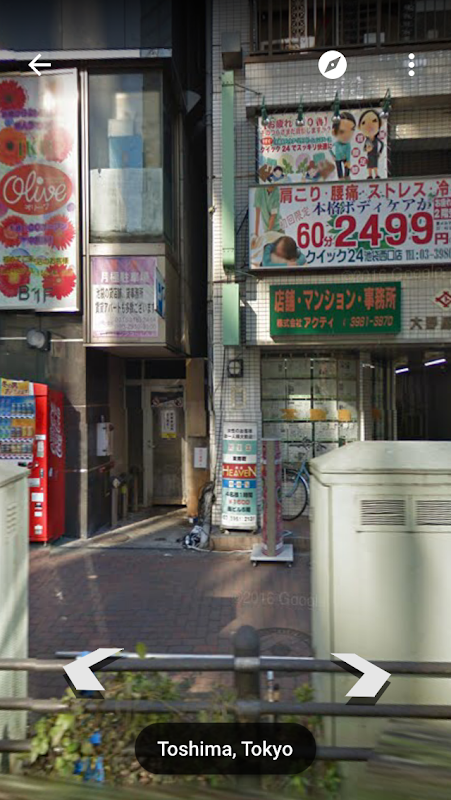
📍 Address: Ohnoya Bldg 4F, 2-41-2 Ikebukuro, Toshima-ku, Tokyo 170-0014, Japan
‘Al-Flah Super Market’ is located on the 4th floor of a building with a real estate agency on the first floor, in a lesser-known corner of Ikebukuro West Exit.
There’s no prominent sign at the entrance, which might make you wonder, ‘Is it really here?’ But if you bravely take the elevator up to the 4th floor, you’ll find yourself directly in a South Asian space filled with the aroma of spices. The Pakistani owner speaks fluent Japanese and charmingly greets customers with ‘Irasshaimase!’ (Welcome!), making first-time visitors feel at ease.
Inside, you’ll find whole and powdered spices essential for authentic curry making, basmati rice, and a variety of sweets and instant noodles (like mi goreng) directly imported from Pakistan, which are rare in Japan.
Particularly popular among long-term residents and local cooking enthusiasts is the frozen meat section. It offers an abundant selection of bone-in lamb (mutton) and other cuts not typically found in Japanese supermarkets, making it an essential destination for anyone looking to prepare authentic Halal cuisine.
Kaiwa Nikko Ikebukuro Store
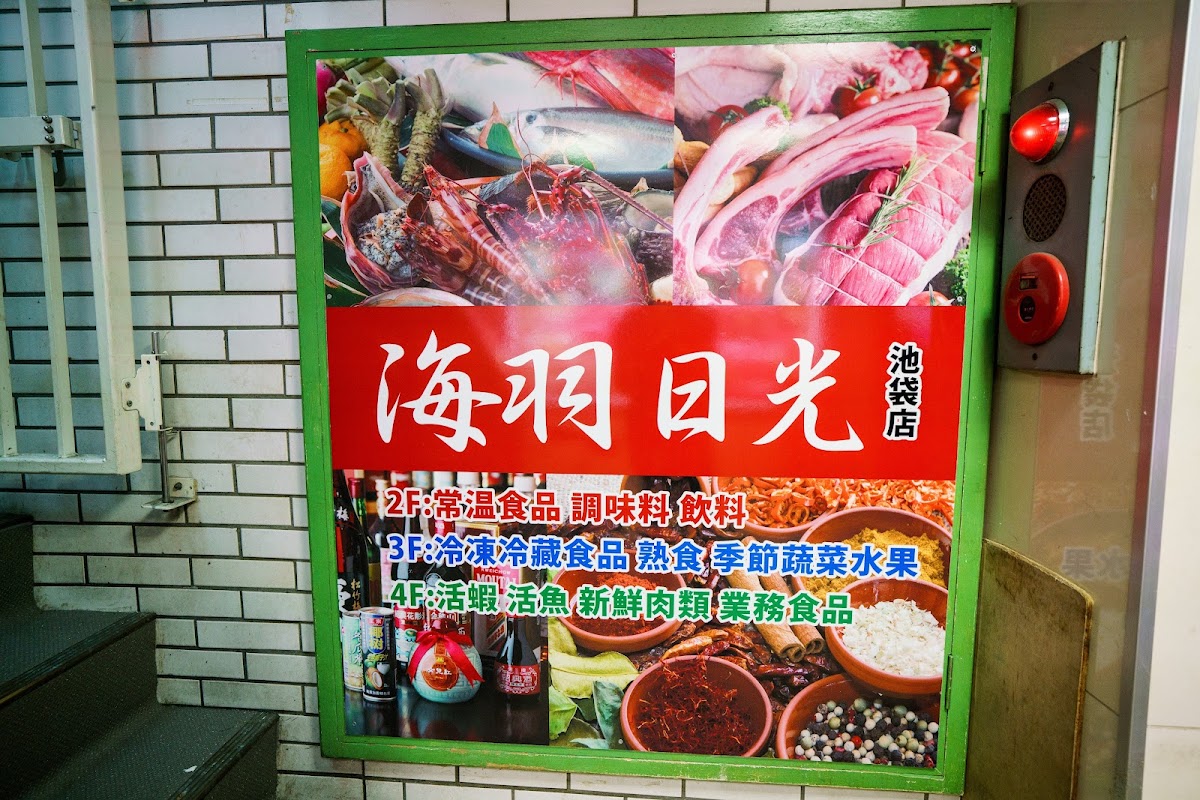
📍 Address: 1-29-15 Nishi-Ikebukuro, Toshima-ku, Tokyo 171-0021, Japan
Located close to Yugi Shoten, ‘Kaiwa Nikko Ikebukuro Store’ is a large Chinese supermarket spanning three floors, from the 2nd to the 4th.
Compared to Yugi Shoten, its aisles are wider, and it’s often less crowded, making it a favorite among locals who want to ‘take their time treasure hunting for ingredients’. The store still has an an ‘extraterritorial’ feel where Chinese is the common language, but Japanese shoppers can still enjoy their shopping experience without issues.
You’ll find many bargain ingredients here that are cheaper than in Chinatown or other wholesale supermarkets, making it perfect for finding ingredients for Malatang or rare Chinese dried goods. Another welcome feature is the homemade Chinese deli items prepared in the store’s kitchen, available for takeout.
As a note of caution, payment is primarily by cash or WeChat Pay. Japanese credit cards are often not accepted, so be sure to bring cash when you visit.
AL-AQSA ASIAN HALAL FOOD
📍 Address: Oshima Bldg, 4-38-6 Ikebukuro Honcho, Toshima-ku, Tokyo 170-0011, Japan
Located in Ikebukuro Honcho (Shimo-Itabashi area), a little removed from Ikebukuro’s city center, ‘AL-AQSA ASIAN HALAL FOOD’ is a cozy, hidden Halal grocery store beloved by locals.
The biggest appeal of this store is its outstanding cost performance for fresh vegetables and spices. In particular, coriander (cilantro) is sold at surprisingly low prices despite being two to three times the volume of what’s found in regular supermarkets, drawing in local residents who love Asian cuisine.
The staff are very friendly, and the relaxed atmosphere makes it easy to ask for advice on choosing spices. It also supports PayPay payments, offering the convenience of a quick shopping experience similar to a Japanese supermarket.
Recently, an eat-in space seems to have been added, allowing you to leisurely enjoy the local atmosphere while doing your shopping.
Column: Tips for Smart Shopping at Asian Supermarkets
Shopping at Ikebukuro’s Asian supermarkets offers an exciting experience, almost like traveling abroad, but there are unwritten rules and points of caution that differ from typical Japanese supermarkets.
Firstly, pay attention to the display of expiration dates and processing dates. Among imported foods, you might occasionally find items without labels compliant with Japan’s food labeling laws, or with hard-to-read expiration date prints. Especially when purchasing frozen meats, organ meats, fresh foods, or sweets, it’s recommended to carefully check the packaging before buying.
Furthermore, the customer service style is entirely ‘overseas style’. Don’t be surprised if change is handed over casually, or if staff members chat loudly among themselves; these are common sights in their home countries. Embrace it as ‘part of the culture’ and fully enjoy the local vibrancy itself.


'%3E%3Cpath%20stroke='%23000'%20stroke-width='4'%20d='m-35-37-13%2020m5%203%2013-20m5%203-13%2020m63%2042%206-9m1-2%206-9m5%203-6%209m-1%202-6%209m5%203%206-9m1-2%206-9m-96%200%2013%2020m5-3-6-9m-1-2-6-9m5-3%2013%2020m63-42-6-9m-1-2-6-9m5-3%2013%2020m5-3-6-9m-1-2-6-9'/%3E%3Ccircle%20r='24'%20fill='%23cd2e3a'/%3E%3Cpath%20fill='%230047a0'%20d='M0%200a12%2012%200%201%201%2020%2013%2024%2024%200%201%201-40-26A12%2012%200%201%200%200%200'/%3E%3C/g%3E%3C/svg%3E)
'/%3E%3Cpath%20fill='%23b2b2b2'%20d='M241%20382q0%2016%2017%2026%2017%2011%2042%2011t42-11q16-11%2017-26V269H241'/%3E%3Cpath%20fill='%239f7e00'%20d='M241%20379q0%2014%208%2023%209%209%2021%209%2014%200%2021-9%209-9%209-23V269h-59'/%3E%3Cpath%20d='M241%20339v-70h59v110q0%2014-9%2023l-6%205v-68h-15v72q-8%200-14-4v-68zm59%2040c0%2022%2015%2032%2029%2032%2021%200%2030-18%2030-32v-40h-59'/%3E%3Cpath%20fill='%239f7e00'%20d='M266%20277v5h2v12h-3v-5h2v-5h-9v5h2v5h-4v9h3v18h-5v10h34v-10h-5v-18h3v-9h-4v-5h2v-5h-9v5h2v5h-3v-12h2v-5zm42%20101q0%2010%206%2017%206%206%2015%207%2010-1%2016-7%206-7%206-17v-29h-43'/%3E%3Ccircle%20fill='%230044ad'%20cx='329.5'%20cy='372'%20r='6'/%3E%3Cellipse%20fill='%230044ad'%20cx='300'%20cy='340'%20rx='16'%20ry='21'/%3E%3C/svg%3E)


