

Itsukushima Shrine
📍 Address: 1-1 Miyajima-cho, Hatsukaichi, Hiroshima 739-0588, Japan
Itsukushima Shrine is the symbol of Miyajima and a registered World Heritage site. Founded in 593 during the reign of Empress Suiko, its magnificent, ocean-floating main hall, as seen today, was built through the deep devotion of Taira no Kiyomori during the Heian period. As the head shrine of approximately 500 Itsukushima Shrines nationwide, the breathtaking beauty created by the harmony of the sea, mountains, and vermillion buildings truly lives up to its reputation as one of ‘Japan’s Three Most Scenic Views.’
The greatest highlight is undoubtedly the Great Torii Gate, standing majestically in the sea. This colossal gate, approximately 16 meters tall and weighing about 60 tons, is not actually buried in the seabed; it stands solely by its own weight, a testament to incredible architectural engineering. When visiting this spot, it’s absolutely crucial to pay attention to the ‘tides.’ At high tide, the shrine buildings and the Great Torii appear to float on the sea, creating a mystical spectacle. At low tide, you can actually walk right up to the base of the Great Torii and experience its immense scale up close. If time permits, be sure to visit during both tides to enjoy these two entirely different faces of the shrine.
Walking along the beautiful vermillion corridors, immersing yourself in a space where nature and history harmonize, offers a truly special and healing experience. Furthermore, the panoramic view of the Great Torii and the entire shrine from the ferry on your way to Miyajima is also an excellent photo opportunity. Please note that if you wish to receive a goshuin (temple/shrine seal), you might wait over 30 minutes even on weekdays, so it’s recommended to schedule your visit with ample time.
Momijidani Park
📍 Address: Miyajima-cho, Hatsukaichi, Hiroshima 739-0588, Japan
Located about a 10-minute walk from Itsukushima Shrine, at the foot of Mt. Misen, Momijidani Park is, as its name suggests, Miyajima’s premier autumn foliage spot. This historic scenic area has been developed since the Edo period, with approximately 700 maple trees, including Iroha and Oomomiji maples, planted throughout the park. The best time to see the leaves is usually from mid to late November, when the vermillion Momiji Bridge and the fiery red foliage create a scene straight out of a painting.
Even outside the autumn season, the fresh green maple leaves from spring to summer, and the sight of friendly deer lingering by small ponds, evoke a mystical atmosphere, as if you’ve stumbled into the world of ‘Princess Mononoke.’ Furthermore, the Momijidani River Garden Sabo (erosion control dam) at the back of the park is a must-see. Constructed after devastating damage from the Makurazaki Typhoon in the post-war period, it was built on the principle of ‘utilizing natural stones and wood as they are,’ impressively maintaining a beautiful landscape that blends with nature while serving a flood control function.
Since it’s on the way to the ropeway station (Momijidani Station) for Mt. Misen’s summit, it’s also a popular starting point for hikers. During peak autumn season, it can get very crowded around midday, so if you prefer a quieter stroll, it’s best to aim for early morning. Also, the paths in the park have gentle slopes and some uneven sections, so be sure to wear comfortable shoes.
Daishoin Temple
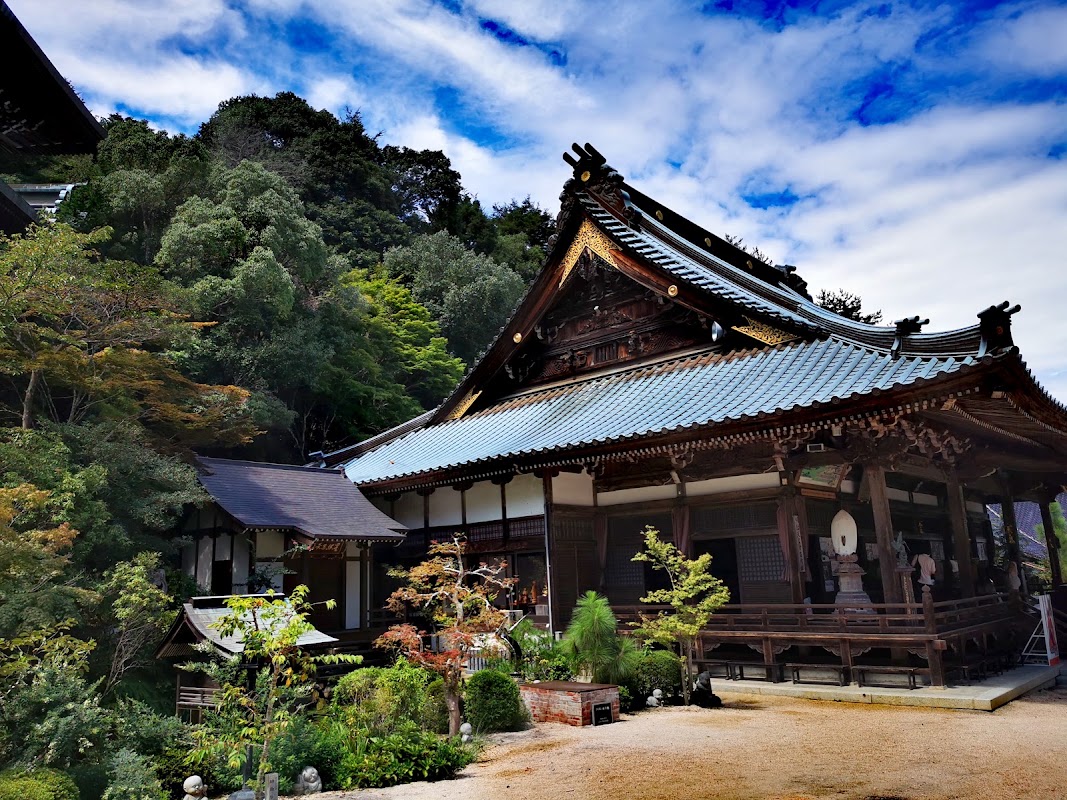
📍 Address: 210 Miyajima-cho, Hatsukaichi, Hiroshima 739-0588, Japan
Though often overlooked in favor of Itsukushima Shrine, Daishoin Temple is an absolute must-visit when on Miyajima. Reputedly founded by Kobo Daishi (Kukai) in 806, it is the oldest temple on Miyajima and the head temple of the Omuro School of Shingon Buddhism. In contrast to the splendor of Itsukushima Shrine, this is a quiet, solemn power spot enveloped in a tranquil atmosphere.
The temple grounds are dotted with numerous attractions, offering a depth that feels like a ‘Buddhist theme park.’ Among them, there are two experiences we highly recommend to travelers. The first is the ‘Kaidan Meguri,’ an underground passage beneath the Kannon-do Hall. In this pitch-black darkness, where no light reaches, you navigate by feeling your way along the left wall. It’s a place of spiritual training that tests your resolve, offering the thrill of purification and a sense of rebirth (caution for those uncomfortable with dark, enclosed spaces).
The second is the ‘Henjokutsu Cave’ (Lantern Hall), where countless beautiful lanterns adorn the ceiling. Here, the principal images of the Shikoku 88 Pilgrimage Temples are enshrined, and by treading on the sand beneath your feet, you are said to receive the same blessings as completing the Shikoku Pilgrimage. Other captivating spots include the Gohyakurakan Garden (500 Arhats Garden) with its adorable Jizo statues wearing knitted hats, and the Ichigan Daishi (One Wish Buddha) who is said to grant one wish. You’ll find yourself losing track of time exploring these areas. Along with the beautiful panoramic views from the elevated grounds and the lingering, sublime scent of ‘Misen Sanki-ko’ (Three Oni Incense of Mt. Misen), you’re sure to have an experience that lightens your heart.
Miyajima Public Aquarium (Miyajimarin)
📍 Address: 10-3 Miyajima-cho, Hatsukaichi, Hiroshima 739-0588, Japan
Miyajima Public Aquarium, ‘Miyajimarin,’ is conveniently located about a 5-minute walk from the exit of Itsukushima Shrine. Themed around ‘healing’ and ‘interaction,’ it’s a community-focused aquarium where you can learn about the entire ecosystem of the Seto Inland Sea. While compact compared to massive city aquariums, its exhibits are dense, offering a fulfilling experience that satisfies both adults and children within 1 to 1.5 hours.
An absolute must-see here is the unique ‘oyster raft’ exhibit, specific to Hiroshima. The large tank, which allows you to observe oyster farming from an underwater perspective – something usually only seen from the sea surface – is surprisingly dynamic. The sight of Seto Inland Sea fish leisurely swimming around the farmed oysters vividly conveys the connection between local industry and nature. There’s also an area that recreates the tidal flats around Itsukushima Shrine, with various ingenuities designed to deepen visitors’ understanding of Miyajima’s sea.
Of course, many rare creatures are also on display, including the finless porpoise, a top predator in the Seto Inland Sea food chain, the unusual beltfish that swims upright, and the impressively massive Japanese giant salamander. The intimate and friendly sea lion shows and penguin interaction experiences, unique to its smaller scale, are highly popular with visitors. The aquarium is clean with little of the characteristic ‘aquarium smell,’ making it a perfect spot to cool down during sightseeing or for families to relax and take a break.
Miyajima Omotesando Shopping Street
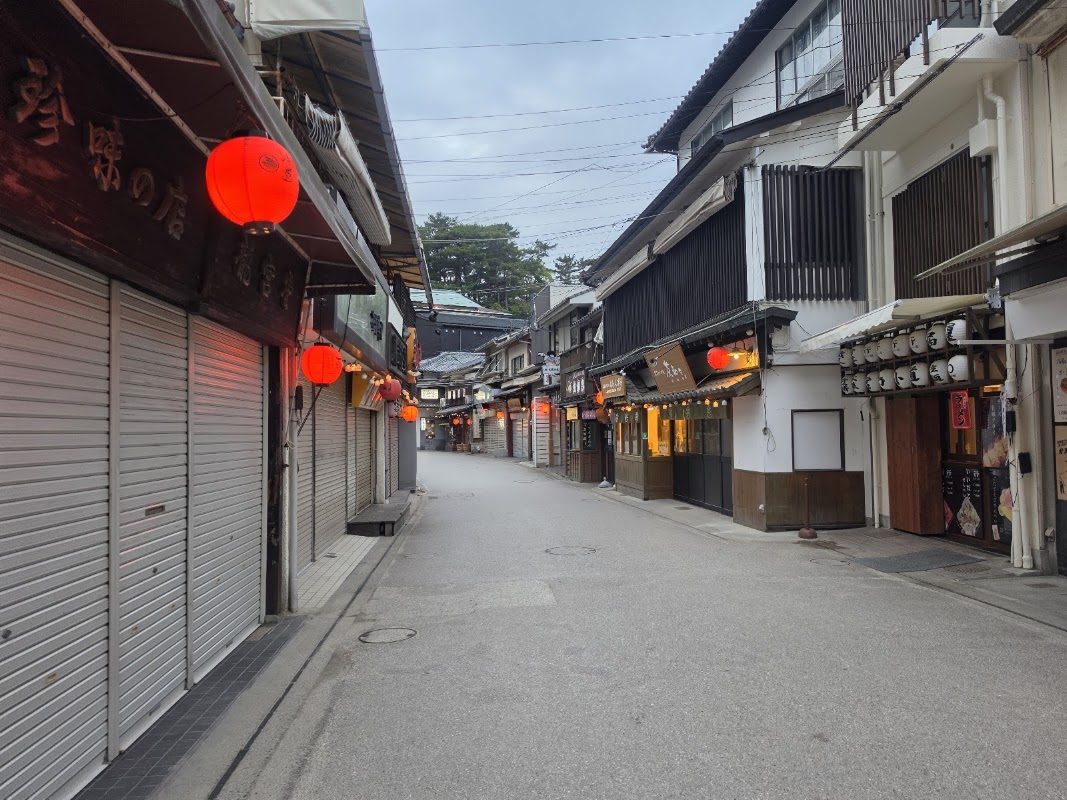
📍 Address: 535 Miyajima-cho, Hatsukaichi, Hiroshima 739-0588, Japan
Miyajima Omotesando Shopping Street is the main thoroughfare connecting Miyajima Ferry Terminal to Itsukushima Shrine. This street is a street food paradise, packed with the culinary delights that are a highlight of Miyajima tourism. Along the street, traditional shops stand alongside modern cafes, with the enticing aroma of sizzling soy sauce and sweet fragrances constantly stimulating travelers’ appetites.
The absolute must-try specialties are Hiroshima’s famous ‘Momiji Manju’ and ‘oysters.’ At Fujiiya, a long-established shop founded in 1925, you can savor freshly baked, hot, and fluffy Momiji Manju. Beyond the classic red bean paste, comparing the unique flavors from different shops – chocolate, custard, or even novelties like ‘Agemomiji’ (fried Momiji Manju) and croissant-dough versions – is a top-tier entertainment in itself. Also, ‘grilled oysters’ offered at storefronts, including the oyster specialty restaurant Kakiya, are plump and succulent, allowing you to enjoy the rich umami of the ‘milk of the sea’ for around 500 yen.
And, for a refreshing oasis when you’re tired from walking, ‘GEBURA,’ a drink stand using Hiroshima lemons, is extremely popular. With three branches on Miyajima, their innovative system allows you to get a ‘200 yen refill’ at any of their stores if you bring back the cup from your first purchase! You can explore the shopping street while refreshing yourself with the crisp acidity of their lemon soda or lemon mojito.
A point to note is that this shopping street is known for ‘closing early.’ Many shops begin closing around 5:00 PM, and by 6:00 PM, most shutters are down, leaving the street quite dark. If you plan to have dinner on the island, be careful with your schedule and consider making reservations in advance to avoid being stranded without dining options. In the middle of the shopping street, there’s a clean and well-equipped ‘TOTO Omotenashi Restrooms,’ making it safe and comfortable for families with children.
Tips for 120% Enjoyment of Miyajima Tourism
To make your Miyajima trip perfect, checking the ‘tide table’ in advance is absolutely essential. If you want to walk under the Great Torii, check the low tide times; if you want to capture the spectacular view of the shrine floating on the sea, check the high tide times before boarding the ferry. Since high and low tides change approximately every six hours, it’s also recommended to enjoy the different scenery in the morning and evening.
While Miyajima is easily accessible by ferry, the island’s schedule is generally ‘early to bed, early to rise.’ With the shopping street closing early, it’s a golden rule to finish your street food and shopping by around 4:00 PM. For a day trip, avoid peak ferry times for your return. If you’re staying overnight, you can quietly savor the mystical sight of the Great Torii illuminated at night. Enjoy Miyajima’s various faces throughout the day!


'%3E%3Cpath%20stroke='%23000'%20stroke-width='4'%20d='m-35-37-13%2020m5%203%2013-20m5%203-13%2020m63%2042%206-9m1-2%206-9m5%203-6%209m-1%202-6%209m5%203%206-9m1-2%206-9m-96%200%2013%2020m5-3-6-9m-1-2-6-9m5-3%2013%2020m63-42-6-9m-1-2-6-9m5-3%2013%2020m5-3-6-9m-1-2-6-9'/%3E%3Ccircle%20r='24'%20fill='%23cd2e3a'/%3E%3Cpath%20fill='%230047a0'%20d='M0%200a12%2012%200%201%201%2020%2013%2024%2024%200%201%201-40-26A12%2012%200%201%200%200%200'/%3E%3C/g%3E%3C/svg%3E)
'/%3E%3Cpath%20fill='%23b2b2b2'%20d='M241%20382q0%2016%2017%2026%2017%2011%2042%2011t42-11q16-11%2017-26V269H241'/%3E%3Cpath%20fill='%239f7e00'%20d='M241%20379q0%2014%208%2023%209%209%2021%209%2014%200%2021-9%209-9%209-23V269h-59'/%3E%3Cpath%20d='M241%20339v-70h59v110q0%2014-9%2023l-6%205v-68h-15v72q-8%200-14-4v-68zm59%2040c0%2022%2015%2032%2029%2032%2021%200%2030-18%2030-32v-40h-59'/%3E%3Cpath%20fill='%239f7e00'%20d='M266%20277v5h2v12h-3v-5h2v-5h-9v5h2v5h-4v9h3v18h-5v10h34v-10h-5v-18h3v-9h-4v-5h2v-5h-9v5h2v5h-3v-12h2v-5zm42%20101q0%2010%206%2017%206%206%2015%207%2010-1%2016-7%206-7%206-17v-29h-43'/%3E%3Ccircle%20fill='%230044ad'%20cx='329.5'%20cy='372'%20r='6'/%3E%3Cellipse%20fill='%230044ad'%20cx='300'%20cy='340'%20rx='16'%20ry='21'/%3E%3C/svg%3E)


