

The Philippines, a land of eternal summer, is renowned for its beautiful beaches and resorts, but it’s also a treasure trove of tourist spots rich in deep history dating back to Spanish colonial rule and unique cultural heritage.
This guide highlights the ‘must-visit attractions in the Philippines,’ focusing on the capital Manila, the cool retreat of Tagaytay, and the tropical island of Cebu. Beyond just historical accounts, we provide practical information on the best times to visit, unique local ways to enjoy these spots, and often overlooked points.
Manila Ocean Park
📍 Address: 666 Behind, Quirino Grandstand, Ermita, Manila, 1000 Metro Manila, Philippines
Situated along Manila Bay, ‘Manila Ocean Park’ is the Philippines’ first marine theme park. It boasts numerous attractions, including tanks teeming with colorful, gigantic fish unique to tropical regions, and a breathtaking underwater tunnel. It’s also a highly popular oasis, offering a cool and comfortable indoor escape from the intense heat of Manila.
Its unique interactive attractions are highly praised in reviews. Besides small but heartwarming sea lion and bird shows, the ‘Doctor Fish’ experience corner, where fish eat dead skin cells from your feet, offers an exhilarating thrill with fish significantly larger than those in Japan! For an additional fee, you can also enjoy the rare experience of feeding penguins, a surprising activity for a tropical country.
The facility is divided into separate areas such as the main aquarium, Penguin Exhibit, and Reptile House, so purchasing a set ticket on-site is convenient and cost-effective (credit card payments are only accepted at dedicated vending machines, so online advance booking is also recommended). As a valuable entertainment facility in Manila, it’s a must-visit spot where both adults and children can lose track of time.
Fort Santiago
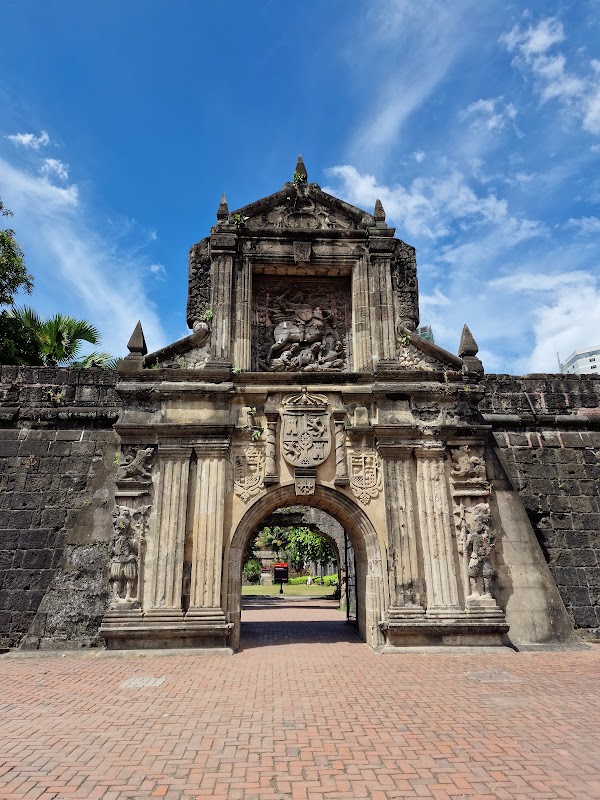
📍 Address: Intramuros, City of Manila, Metro Manila, 1002 Philippines
Within Manila’s walled city of ‘Intramuros,’ a remnant of Spanish colonial rule, ‘Fort Santiago’ stands at its northern tip as a symbol of defense and resilience, epitomizing Philippine history itself. Stepping through its formidable 16th-century stone gate, you’ll find yourself enveloped in a tranquility that belies the hustle and bustle of Manila.
Its greatest highlight is being the very place where Jose Rizal, the Philippines’ national hero, was imprisoned before his execution. The ‘Rizal Shrine’ within the fort exhibits his personal belongings, and his footsteps leading to the execution ground are etched into the pavement. Moreover, the dungeon once used as a water prison and the vivid scars of fierce battles (bullet marks) from World War II remain, creating a space where the weight of history is palpably felt.
Conversely, atop the ramparts overlooking the Pasig River, a pleasant breeze sweeps through, offering a sense of modern serenity. The beautifully maintained lawns and stone walls make for excellent photo opportunities, but as the grounds are surprisingly vast, comfortable sneakers are a must. To avoid the strong sun, visiting in the early morning hours is highly recommended.
Rizal Park
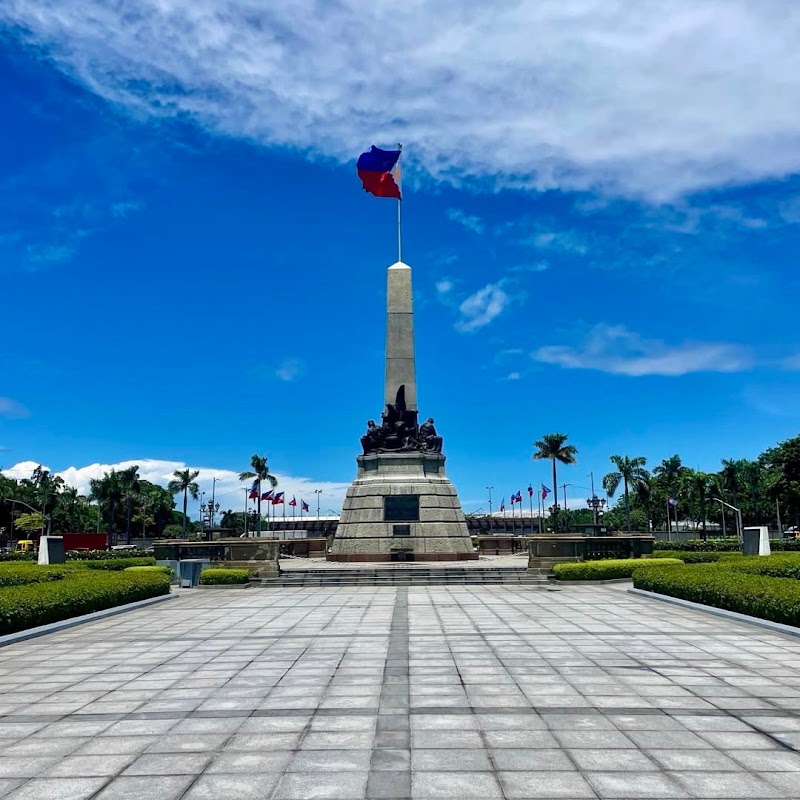
📍 Address: Ermita, City of Manila, Metro Manila, 1000 Philippines
‘Rizal Park’ is Manila’s largest urban oasis, sprawling over approximately 58 hectares, serving as a recreational haven for its citizens. This historic site is where Jose Rizal, after his procession from Fort Santiago, was ultimately executed, and it is now the most revered and sacred place for the Filipino people.
The Rizal Monument, towering in the park’s center, is guarded round-the-clock, and the changing of the guard ceremony, held hourly, is a solemn and unmissable spectacle. During the cooler morning hours, you can observe locals jogging or practicing tai chi, offering a glimpse into everyday life.
The park also features a Japanese Garden (with an interesting local interpretation that differs slightly from those in Japan) and a Chinese Garden. However, shade is sparse, so bringing a parasol or hat is recommended on sunny days. With the National Museum of Fine Arts and National Museum of Natural History located nearby, combining a stroll through the park with visits to these surrounding cultural institutions is highly recommended.
People’s Park in the Sky
📍 Address: Tagaytay – Calamba Rd, Tagaytay City, Cavite, Philippines
Approximately a two-hour drive from Manila, ‘People’s Park in the Sky’ is an observation park situated at the highest point in Tagaytay, a popular cool retreat among Filipinos. It has a unique and intriguing history: it was originally envisioned in the 1980s by then-President Marcos as a guesthouse to host U.S. President Ronald Reagan, but it was left unfinished.
Its aging infrastructure and slightly dilapidated atmosphere ironically lend it the charm of a ‘ruin in the sky.’ From the summit, you can gaze upon the stunning Taal Lake and Taal Volcano, said to be the world’s smallest active volcano, offering a spectacular panoramic view. Around August, pampas grass sways gently, and a refreshing breeze sweeps through.
The entrance fee is a very affordable 50 pesos. While the path from the entrance to the summit is a steep uphill climb, you can take a local shared jeepney to the top (for a few tens of pesos). Since it’s a safe way to experience a jeepney, which tourists don’t often get to ride, this alone becomes a highly satisfying activity for travelers.
Fort San Pedro
📍 Address: 7WR4+X7J, A. Pigafetta Street, Cebu City, 6000 Cebu, Philippines
While Cebu Island is widely known for its beach resorts, its city center also offers a spot rich in historical romance. ‘Fort San Pedro,’ built in 1565 by Miguel López de Legazpi, the first Spanish Governor-General, is the Philippines’ oldest and smallest triangular military fortress.
Its sturdy coral stone walls, built to withstand pirate attacks, still feature cannons pointed towards the sea, and the area is now maintained as a lush promenade. Inside the fort is a small museum displaying documents and paintings from the Spanish colonial era, offering a concise overview of Cebu’s history of conflict and peace.
The entrance fee is a very affordable 30 pesos (about 80 JPY), and the restrooms are well-maintained. The souvenir shop near the reception is a hidden gem, popular for its incredibly cheap local Cebu goods. Located within walking distance of major attractions like Magellan’s Cross and Santo Niño Church, it’s an ideal spot to include in a half-day Cebu city tour for efficient sightseeing.
Tips for Deeply Enjoying the Philippines’ Historical Tourist Sites
Tourist attractions in the Philippines not only offer beautiful tropical scenery but also bear the imprint of a complex and profound history involving Spain, America, and Japan. Especially when visiting areas like ‘Intramuros’ in Manila or ‘Fort San Pedro’ in Cebu, having even a little knowledge of the hero Jose Rizal and the historical context of the era will significantly enhance your understanding and experience.
Furthermore, timing is crucial when sightseeing in the tropical climate of the Philippines. Outdoor spots like Rizal Park and fortresses have limited shade, and the midday sun can be far more draining than you imagine. The golden rule for comfortable travel is to visit outdoor historical sites during the cooler morning hours, and then enjoy indoor facilities like Manila Ocean Park or shopping malls during the strong afternoon sun. Don’t forget comfortable sneakers, sun protection, and plenty of hydration to fully immerse yourself in the rich atmosphere of the Philippines.


'%3E%3Cpath%20stroke='%23000'%20stroke-width='4'%20d='m-35-37-13%2020m5%203%2013-20m5%203-13%2020m63%2042%206-9m1-2%206-9m5%203-6%209m-1%202-6%209m5%203%206-9m1-2%206-9m-96%200%2013%2020m5-3-6-9m-1-2-6-9m5-3%2013%2020m63-42-6-9m-1-2-6-9m5-3%2013%2020m5-3-6-9m-1-2-6-9'/%3E%3Ccircle%20r='24'%20fill='%23cd2e3a'/%3E%3Cpath%20fill='%230047a0'%20d='M0%200a12%2012%200%201%201%2020%2013%2024%2024%200%201%201-40-26A12%2012%200%201%200%200%200'/%3E%3C/g%3E%3C/svg%3E)
'/%3E%3Cpath%20fill='%23b2b2b2'%20d='M241%20382q0%2016%2017%2026%2017%2011%2042%2011t42-11q16-11%2017-26V269H241'/%3E%3Cpath%20fill='%239f7e00'%20d='M241%20379q0%2014%208%2023%209%209%2021%209%2014%200%2021-9%209-9%209-23V269h-59'/%3E%3Cpath%20d='M241%20339v-70h59v110q0%2014-9%2023l-6%205v-68h-15v72q-8%200-14-4v-68zm59%2040c0%2022%2015%2032%2029%2032%2021%200%2030-18%2030-32v-40h-59'/%3E%3Cpath%20fill='%239f7e00'%20d='M266%20277v5h2v12h-3v-5h2v-5h-9v5h2v5h-4v9h3v18h-5v10h34v-10h-5v-18h3v-9h-4v-5h2v-5h-9v5h2v5h-3v-12h2v-5zm42%20101q0%2010%206%2017%206%206%2015%207%2010-1%2016-7%206-7%206-17v-29h-43'/%3E%3Ccircle%20fill='%230044ad'%20cx='329.5'%20cy='372'%20r='6'/%3E%3Cellipse%20fill='%230044ad'%20cx='300'%20cy='340'%20rx='16'%20ry='21'/%3E%3C/svg%3E)


