

Nagoya Castle
📍 Address: 1-1 Honmaru, Naka Ward, Nagoya, Aichi 460-0031, Japan
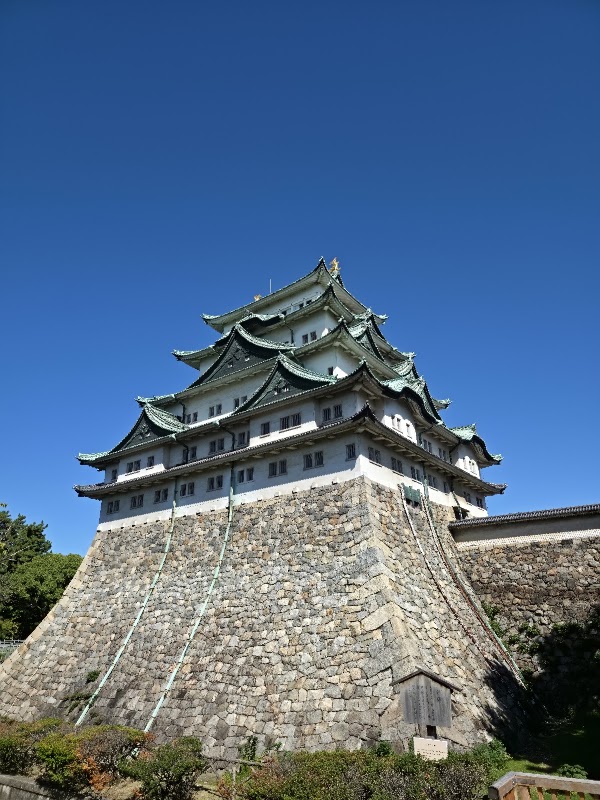
When it comes to symbols of Nagoya tourism, ‘Nagoya Castle’ stands supreme. The golden shachihoko (tiger-fish) shining on its roof and the colossal stone walls convey the dignity of the Tokugawa Gosanke and the weight of history, even when admired from afar.
Currently, due to seismic standards, entry into the castle keep is not permitted. However, this doesn’t mean it’s not worth visiting. On the contrary, the ‘Honmaru Palace,’ faithfully restored to its lavish splendor, is a deep highlight not to be missed. The partition paintings lavishly adorned with gold leaf and the exquisite craftsmanship are breathtakingly beautiful. It’s bustling with many travelers even on weekday afternoons.
To enjoy Nagoya Castle even more deeply, we overwhelmingly recommend asking one of the free volunteer guides stationed near the main gate. They not only pace the tour according to your available time but also humorously share historical anecdotes and hidden gems that individuals might easily overlook. If you’re lucky, they might even guide you to rare exhibits, such as Shohei Ohtani’s autograph. The castle grounds have many gravel paths, so it’s essential to allocate at least 1.5 to 2 hours for sightseeing. Visiting in comfortable sneakers, not sandals, is a must.
Port of Nagoya Public Aquarium
📍 Address: 1-3 Minatomachi, Minato Ward, Nagoya, Aichi 455-0033, Japan
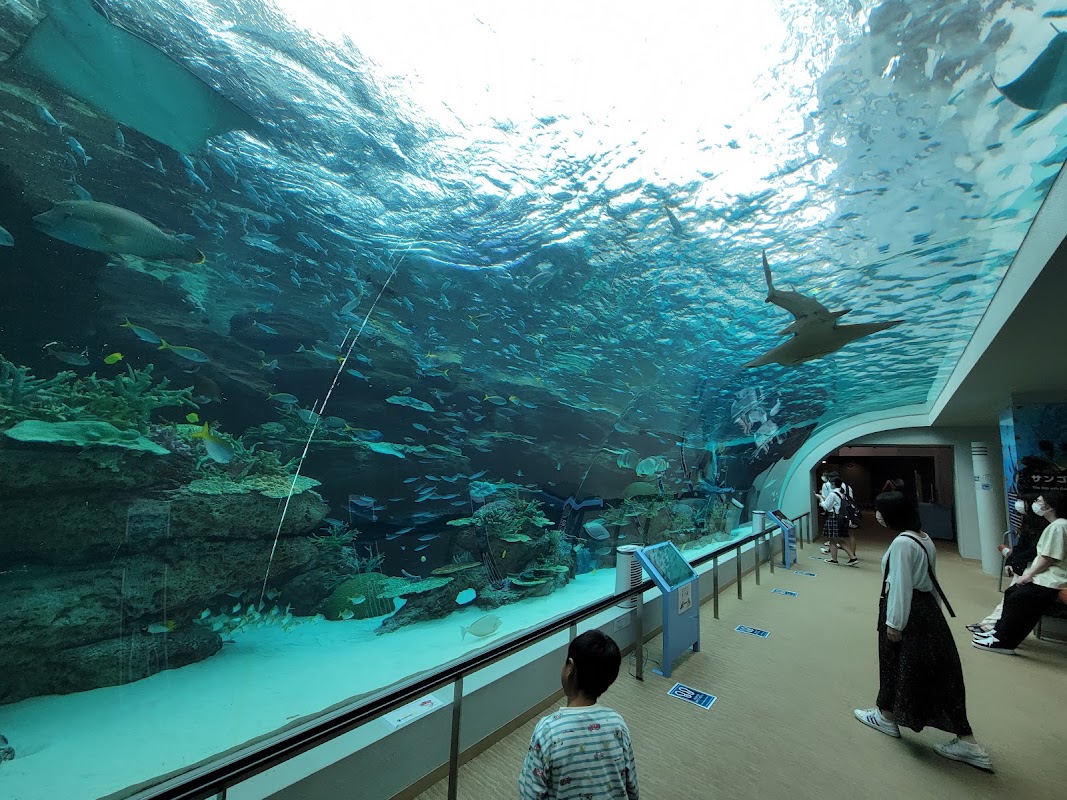
The ‘Port of Nagoya Public Aquarium,’ where you can dynamically experience the world of the sea, is an ultimate leisure spot that children and adults alike can enjoy all day long. The aquarium is divided into the ‘North Building’ and ‘South Building,’ each featuring exhibits with completely different concepts.
The highlight of the North Building is, without a doubt, the ‘orcas’ – one of the few places in Japan where you can see them. During public training sessions held in Japan’s largest main pool, you’ll be overwhelmed by the powerful sight of these colossal creatures leaping from the water. Also, the adorable white beluga whales, with their unique trick of pursing their mouths and spouting water, are a must-see.
Meanwhile, in the South Building, the ‘Sardine Tornado’ is an absolute must-watch. Approximately 35,000 sardines school together in search of food, dancing like one giant living organism to colorful lighting and music. It’s truly a work of art. The fantastical scene will make you lose track of time. As it gets crowded with queues forming even before opening on weekends and holidays, purchasing advance tickets is strongly recommended. The stand seats, where the sea breeze blows, can feel chilly, so it’s wise to bring an extra layer.
Inuyama Castle
📍 Address: 65-2 Kitakoken Inuyama, Inuyama, Aichi 484-0082, Japan
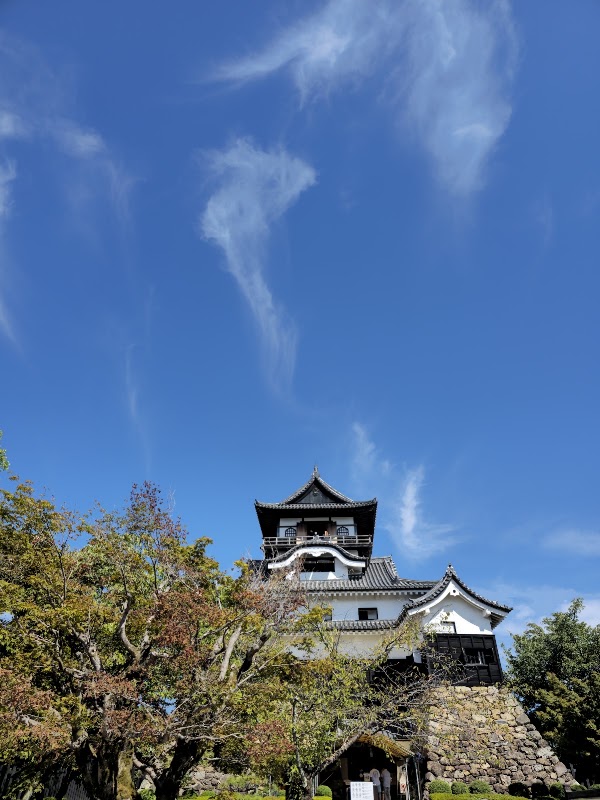
Even if it means a slight detour from Nagoya, ‘Inuyama Castle,’ one of Japan’s five national treasure castles, is well worth a visit. Built in 1537 during the Muromachi period by Oda Nobuyasu, uncle of Oda Nobunaga, it is known as one of the oldest existing castle keeps in Japan. It even boasts the rare historical background of being the only castle in Japan owned by a private individual (the Naruse family) until 2004.
The greatest thrill of Inuyama Castle lies in the ‘Mawari-en’ (balcony) on the top floor of the keep, reached after climbing steep stairs. From this balcony, which encircles the exterior, a 360-degree panorama unfolds, offering views of the gently flowing Kiso River, the Nobi Plain, and the mountains of Gifu. As you ponder whether figures like Nobunaga and Hideyoshi gazed upon this same scenery dreaming of national unification, you’ll be enveloped in a profound sense of awe, as if you were a feudal lord yourself.
As the castle interior retains its original wooden construction, the stair risers are very high. It’s essential to wear easy-to-remove, non-slip shoes. On holidays, there can be a 30-minute to 1-hour wait to climb the keep, so the best time to avoid crowds is first thing on a weekday morning. For a round trip from Nagoya, the Meitetsu ‘Inuyama Castle Town Ticket,’ which includes food-hopping coupons for the castle town, is convenient and offers good value.
Atsuta Jingu Shrine

📍 Address: 1-1-1 Jingu, Atsuta Ward, Nagoya, Aichi 456-8585, Japan
Step away from the city’s hustle and bustle, and you’ll find a different world of tranquility. ‘Atsuta Jingu Shrine’ is one of Japan’s most prestigious shrines, revered for housing the ‘Kusanagi-no-Mitsurugi’ (Grass-Mowing Sword), one of the Three Sacred Treasures of Japan, as its deity.
Within the vast grounds, there are numerous historical and natural points of interest, such as the ‘Nobunaga Wall,’ donated by Oda Nobunaga as a thank-you for his victory after praying for success before the Battle of Okehazama, and the colossal ‘Ohkusu’ (Great Camphor Tree), said to be over 1,000 years old. Legend has it that a white snake resides in the Ohkusu, and if you’re lucky, you might catch a glimpse of it.
And for travelers, a deep spot definitely worth experiencing is the ‘Kokoro no Komichi’ (Path of the Heart), quietly nestled behind the main sanctuary. This sacred area was once only accessible to Shinto priests and is currently only open from 9:00 AM to 4:00 PM. As you venture through this dense, lush forest where photography and eating are strictly prohibited, you’ll discover the ‘Shimizu-sha Shrine,’ which holds a legend of the peerless beauty Yang Guifei, and the ‘Ichino-Omae Shrine,’ dedicated to the Aramidama (fierce spirit) of Atsuta Okami. Immersing yourself in the clear air offers a supreme power spot experience that cleanses both mind and body.
Nijoga Falls
📍 Address: Ohiata, Takiwakicho, Toyota, Aichi 444-2212, Japan
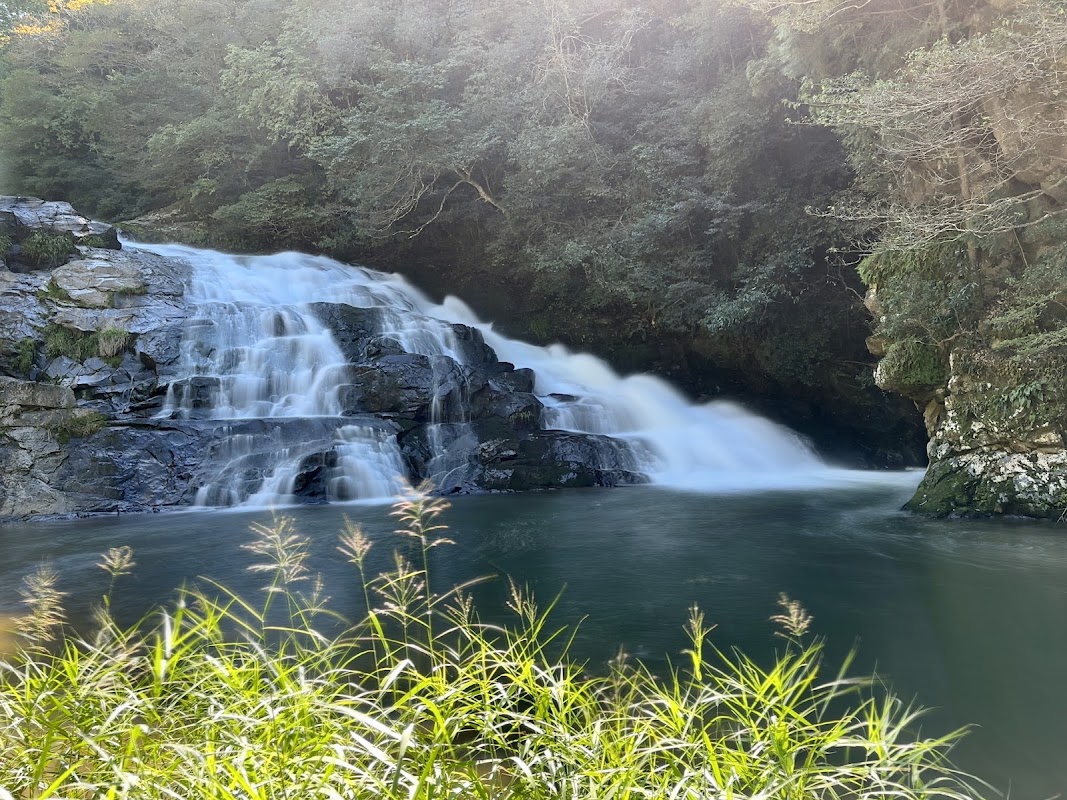
For travelers seeking a deep taste of Aichi Prefecture’s nature and mystery, the ‘Nijoga Falls,’ quietly nestled in Toyota City, is highly recommended. This waterfall, approximately 30 meters high and 7 meters wide, earned its name because the water flows in two layers due to overlapping rock formations.
What makes this place special are the numerous terrifying yet mystical legends passed down through generations. It’s said that ‘a hole where a giant snake lives exists, and those who see it are plagued by fever,’ and ‘a dragon god resides in the waterfall basin, bringing curses to those who touch the falls.’ Therefore, swimming is strictly prohibited; it’s a rule to appreciate it solely as a natural landscape. Especially the day after rain, the water volume drastically increases, and you can feel the tremendous power of nature and abundant negative ions throughout your body, accompanied by the roaring sound echoing in the basin.
Access requires a car, but as it’s not a major tourist spot, there are only 3-4 parking spaces, and the narrow mountain road requires extreme caution when driving. Furthermore, the stairs leading down to the falls from the parking area are steep, and slippery due to fallen leaves and moisture. Always wear non-slip sneakers when visiting. The time spent facing the waterfall in complete solitude offers a luxurious refreshing experience that you cannot find in the city.
Travel Tips for Enjoying Aichi Prefecture’s Tourist Spots 120%
Aichi Prefecture’s tourist attractions are widely dispersed, ranging from urban spots within Nagoya City to historical and natural sites in suburban areas like Inuyama City and Toyota City. The key to efficiently enjoying your trip is to choose appropriate transportation for each area.
Major spots within Nagoya City, such as Nagoya Castle, Atsuta Jingu Shrine, and Port of Nagoya Public Aquarium, are very smoothly accessible by public transport like subways and Meitetsu trains. On the other hand, when heading to Inuyama Castle, utilizing Meitetsu’s special discount tickets is a smart choice. If you’re venturing to secluded spots like Nijoga Falls, it’s best to rent a car and enjoy the drive.
Moreover, a common characteristic of Aichi’s attractive spots – be it the steep stairs of historic castles, the vast grounds of shrines and aquariums, or the uneven terrain of natural waterfalls – is that ‘a lot of walking’ is involved. When traveling, prioritizing ‘comfortable, broken-in sneakers’ over stylish footwear will reduce fatigue and allow you to more deeply enjoy the local atmosphere.


'%3E%3Cpath%20stroke='%23000'%20stroke-width='4'%20d='m-35-37-13%2020m5%203%2013-20m5%203-13%2020m63%2042%206-9m1-2%206-9m5%203-6%209m-1%202-6%209m5%203%206-9m1-2%206-9m-96%200%2013%2020m5-3-6-9m-1-2-6-9m5-3%2013%2020m63-42-6-9m-1-2-6-9m5-3%2013%2020m5-3-6-9m-1-2-6-9'/%3E%3Ccircle%20r='24'%20fill='%23cd2e3a'/%3E%3Cpath%20fill='%230047a0'%20d='M0%200a12%2012%200%201%201%2020%2013%2024%2024%200%201%201-40-26A12%2012%200%201%200%200%200'/%3E%3C/g%3E%3C/svg%3E)
'/%3E%3Cpath%20fill='%23b2b2b2'%20d='M241%20382q0%2016%2017%2026%2017%2011%2042%2011t42-11q16-11%2017-26V269H241'/%3E%3Cpath%20fill='%239f7e00'%20d='M241%20379q0%2014%208%2023%209%209%2021%209%2014%200%2021-9%209-9%209-23V269h-59'/%3E%3Cpath%20d='M241%20339v-70h59v110q0%2014-9%2023l-6%205v-68h-15v72q-8%200-14-4v-68zm59%2040c0%2022%2015%2032%2029%2032%2021%200%2030-18%2030-32v-40h-59'/%3E%3Cpath%20fill='%239f7e00'%20d='M266%20277v5h2v12h-3v-5h2v-5h-9v5h2v5h-4v9h3v18h-5v10h34v-10h-5v-18h3v-9h-4v-5h2v-5h-9v5h2v5h-3v-12h2v-5zm42%20101q0%2010%206%2017%206%206%2015%207%2010-1%2016-7%206-7%206-17v-29h-43'/%3E%3Ccircle%20fill='%230044ad'%20cx='329.5'%20cy='372'%20r='6'/%3E%3Cellipse%20fill='%230044ad'%20cx='300'%20cy='340'%20rx='16'%20ry='21'/%3E%3C/svg%3E)


