

Explore Shizuoka’s Tourist Attractions! A Complete Guide from Classic to Deep Charms
Shizuoka Prefecture is an area filled with endless appealing tourist attractions for travelers, boasting the magnificent views of the sacred Mt. Fuji, abundant seafood, and a deep history tied to Tokugawa Ieyasu. However, it’s a shame to just visit the famous spots!
In this article, we’ve carefully selected ‘real highlights’ that go beyond textbook historical explanations, catering to both short-term visitors and repeat travelers to Shizuoka. We provide information that allows you to truly feel the local atmosphere, including the best times to visit, tips for avoiding crowds, and deep, untold stories known only to locals and history buffs.
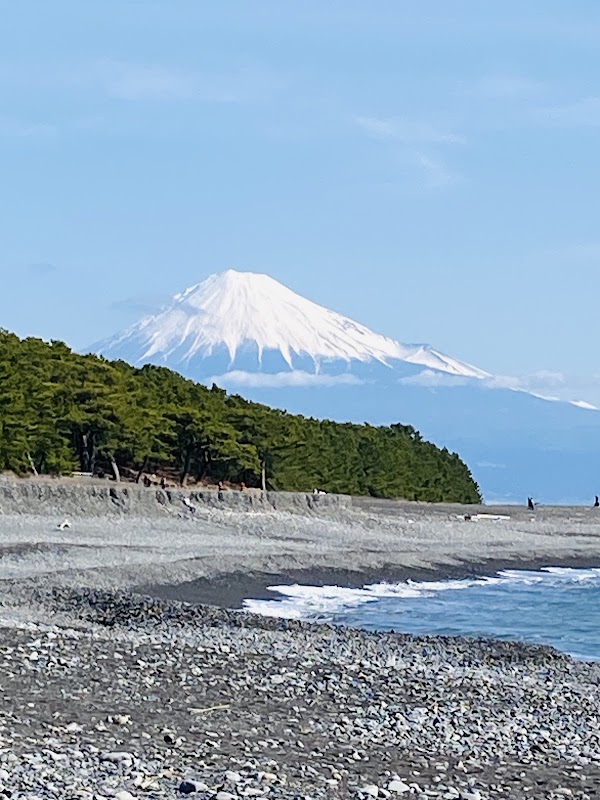
Miho no Matsubara
📍 Address: 1338-45 Miho, Shimizu Ward, Shizuoka, 424-0901, Japan
Miho no Matsubara is counted among the ‘Three New Views of Japan’ and is a constituent property of the World Cultural Heritage Site ‘Mount Fuji’. The contrast between Suruga Bay, which spreads out beyond the pine groves, and Mt. Fuji towering in the background, is a peerless landscape that has captivated Manyo poets and ukiyo-e artists since ancient times. Visiting in the early morning or during winter when the weather is clear and the air is crisp, you can encounter the same breathtaking scenery that people in the Edo period saw.
However, nature is unpredictable. Mt. Fuji might be hidden by clouds depending on the weather. Even so, rest assured. Just by walking along the coastal path and the pine grove path, and feeling the unobstructed blue of Suruga Bay and the pleasant sea breeze on your skin, you can experience an exceptional sense of liberation. The dynamic scale of nature, such as rough waves crashing against tetrapods and powerfully splashing, can only be truly experienced by being there.
If you wish to immerse yourself in history and romance, the ‘Hagoromo no Matsu’ (Robe of Feathers Pine), where a celestial maiden is said to have hung her robe, is a must-see. Imagining the beautiful celestial maiden’s dance is one way to enjoy it, but for adults, it can be equally entertaining to stroll while mentally scoffing at the legend of ‘a fisherman hiding the robe to detain the celestial maiden,’ thinking, ‘Isn’t that just plain thievery?’ You can also ponder the widespread influence of the Noh play ‘Hagoromo,’ which reached as far as the West, as evidenced by monuments like the one dedicated to French dancer Juglaris. The parking lot is free and spacious, and clean restrooms, a tourist information center, and restaurants are available, making it a very convenient stop for travelers.
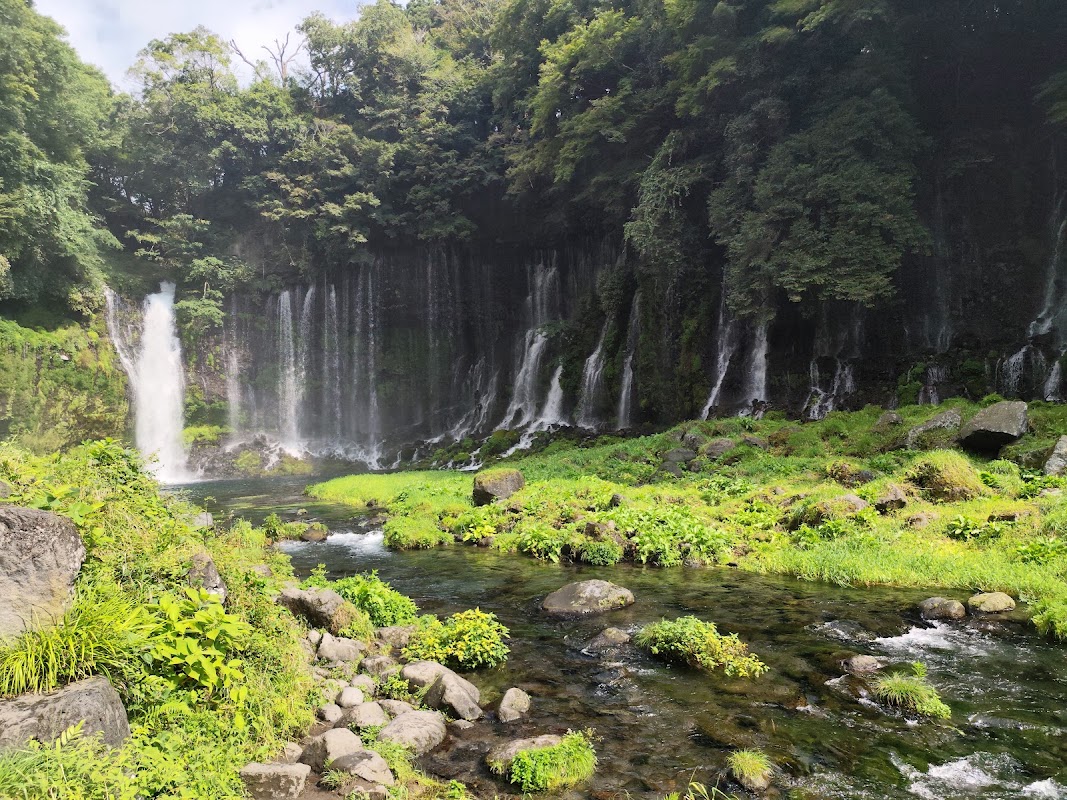
Shiraito Falls
📍 Address: 273-1 Kamiide, Fujinomiya, Shizuoka, 418-0103, Japan
Shiraito Falls is where meltwater from Mt. Fuji gushes down a cliff from the boundary between the new and old Fuji volcanic layers. At 20 meters high and 150 meters wide, countless streams of water cascade like silk threads, boasting a feminine and graceful beauty. It’s a constituent property of a World Cultural Heritage Site, and the water temperature remains around 12 degrees Celsius year-round, so the walking path stays cool and refreshing in summer, surrounded by a chill that might make you feel more comfortable with an extra layer.
This place is not just a scenic spot but holds deep history as a training ground for Hasegawa Kakugyo, the founder of Fuji-ko (Mt. Fuji worship). While most tourists are content with the panoramic view from the observation deck or bathing in the negative ions near the basin, the truly deep highlight is the rock cave ‘Obinmizu’ located just above the falls. This sacred site has a legend that Minamoto no Yoritomo stopped here during the Fuji hunting event to fix his disheveled hair, and it exudes a tranquil and sacred atmosphere, far from the tourist hustle and bustle. It’s a hidden gem that those seeking spiritual power should definitely visit.
If accessing by car, there’s a real ‘trap’ where parking fees vary from 180 yen to 500 yen depending on proximity. Decide whether to extend your walk slightly for cheaper parking or pay 500 yen for the shortest route, considering your physical condition. Visit it along with the adjacent, powerful ‘Otodome Falls’, and on clear days, you can even aim for a two-shot photo with Mt. Fuji from the observation deck, making it a famous waterfall condensed with nature and history.
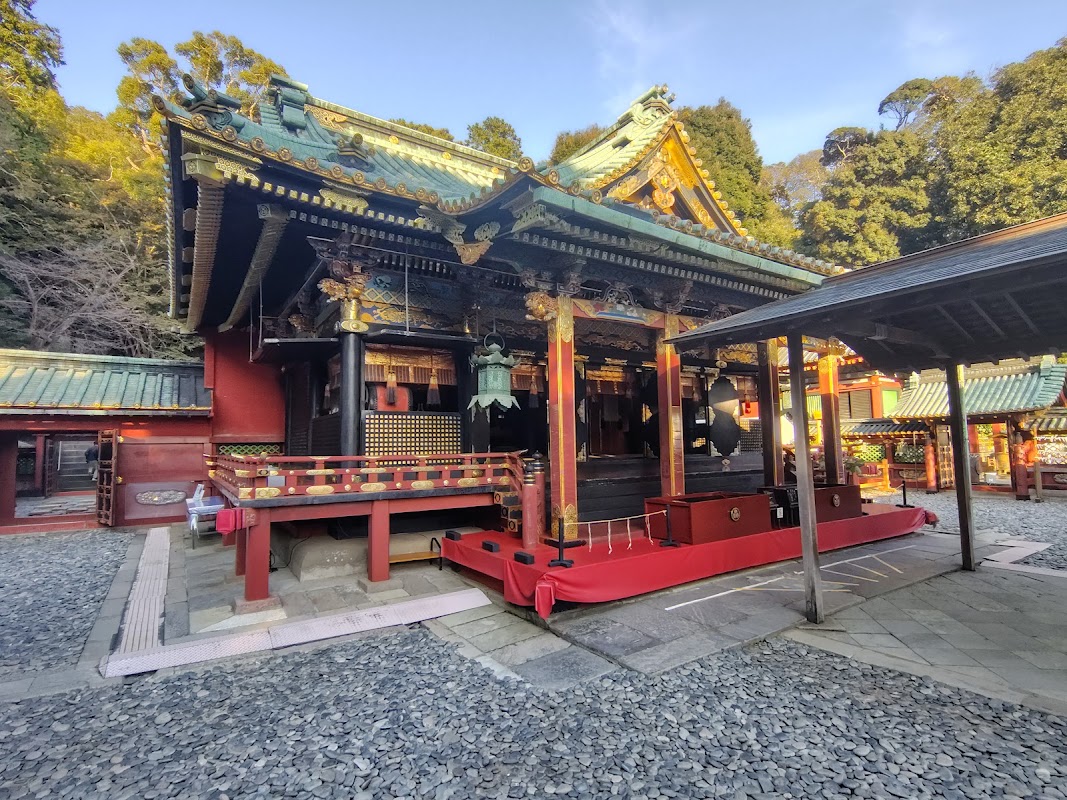
Kunozan Toshogu Shrine
📍 Address: 390 Negoya, Suruga Ward, Shizuoka, 422-8011, Japan
Kunozan Toshogu Shrine is a sacred site where Tokugawa Ieyasu’s body was interred on the very day of his death, according to his will. The national treasure main shrine building, which can be considered a prototype for the later-built Nikko Toshogu Shrine, is renowned for its vibrant colors and intricate decorations, said to be overwhelmingly more beautiful in person than in photos or videos. The area in front of Ieyasu’s mausoleum (tomb) is enveloped in a solemn atmosphere surrounded by trees, and you can feel the profound presence of a power spot where the air is crisp and clear.
There are two main choices for the pilgrimage route. One is the Omotesando route, climbing 1,159 stone steps (known by the pun ‘ichi-ichi go-kuro-san’ – ‘thank you for every single step’) from the coast at the foot of the mountain. While the steps are uneven and can be strenuous, the sense of accomplishment upon reaching the top, enjoying the contrast of the blue Suruga Bay and green landscape below, is exceptional. The other option is to access directly by ropeway from Nihondaira on the mountaintop. This route is highly recommended for efficiency-minded travelers or those concerned about physical exertion, as it offers a mere 5-minute aerial stroll with stunning views while conserving energy.
A deep highlight you absolutely must know about here is the ‘Inverted Aoi’ (hollyhock crest) hidden on the left side of the main hall and the mausoleum gate. This is a Tokugawa family triple-leaf aoi crest deliberately carved upside down, embodying a charm against evil spirits and a wish for eternal prosperity, based on the idea that ‘a building begins to decay the moment it is completed, so leaving a part unfinished ensures perpetual development.’ More than just reading a guidebook, the experience of actually searching for the inverted aoi among the building’s decorations will be the ultimate entertainment for truly feeling historical romance.
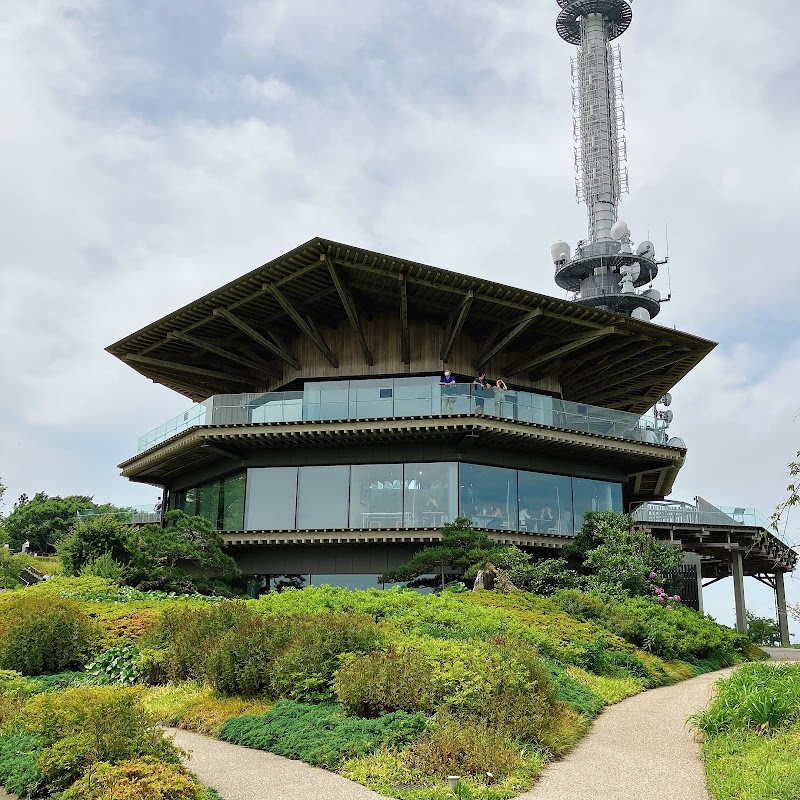
Nihondaira Yume Terrace
📍 Address: 600-1 Kusanagi, Shimizu Ward, Shizuoka, 424-0886, Japan
Located on the summit of Nihondaira, the ‘Nihondaira Yume Terrace’ is a free observation facility offering a 360-degree panoramic view of breathtaking scenery, from Mt. Fuji, Shimizu Port, the Izu Peninsula, and Suruga Bay all the way to the Southern Alps. However, its true charm lies not just in the view, but in being a ‘facility to experience architecture’. Designed by Kengo Kuma, one of Japan’s leading architects, its sophisticated design, generously using hinoki cypress and sugi cedar from Shizuoka Prefecture, boasts an overwhelming beauty the moment you step inside.
For architecture enthusiasts, it’s irresistible to witness the subtle changes in the wood’s color since its opening, truly feeling it as a ‘growing building’. The octagonal modern structure and the details of the wooden corridor encircling its exterior are endlessly captivating. Incidentally, a real behind-the-scenes story is that wild birds have built nests in this beautiful wooden framework, causing staff some trouble with countermeasures—a charming quirk unique to a facility coexisting with nature. Even on bad weather days, the wood and glass display a subdued elegance, allowing you to enjoy a different kind of calm, adult atmosphere compared to sunny days.
A common trap for travelers is ‘closed days and parking congestion’. Even on closed days, such as the second Tuesday of every month, the ‘observation corridor’ is actually open all day, so there’s no need to give up if you just want to see the view. Furthermore, parking near the ropeway often leads to heavy traffic, so parking at the slightly more distant ‘Nihondaira Prefectural Natural Park’ side allows for smooth parking and a stress-free stroll. Enjoy an elegant time, indulging in architectural beauty and stunning views while sipping a Shizuoka green tea latte at the cafe.
Izu-Mito Sea Paradise
📍 Address: 3-1 Uchiurahamana, Numazu, Shizuoka, 410-0295, Japan
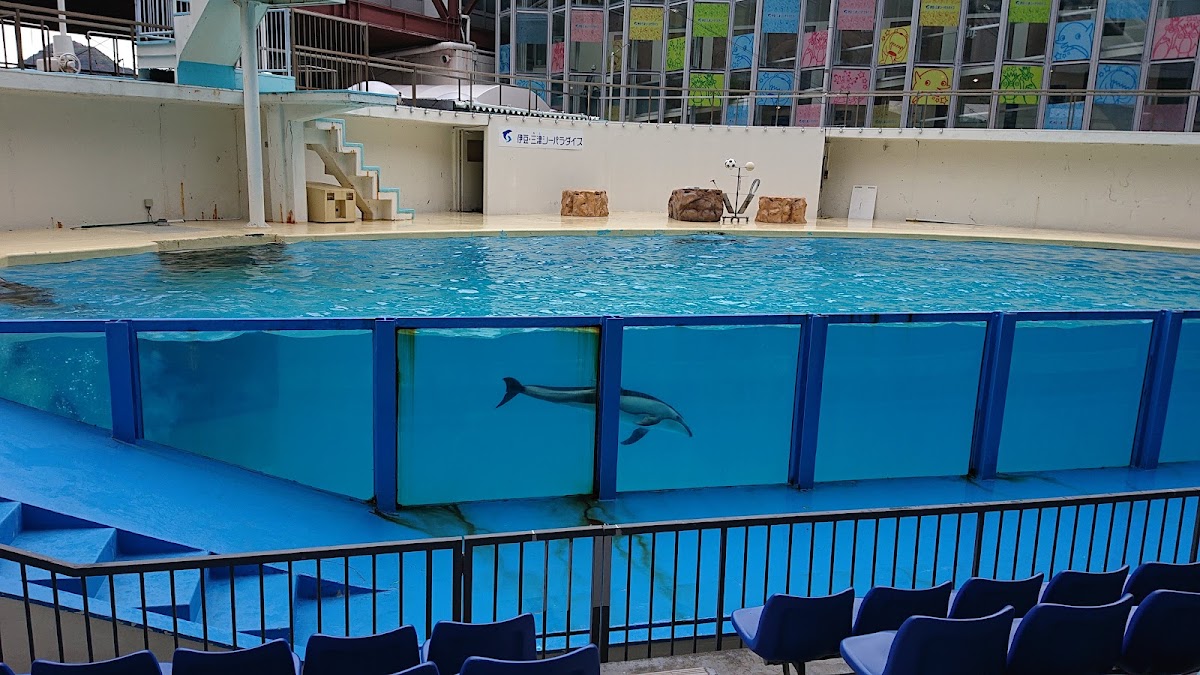
Affectionately known as ‘Mitosea’, Izu-Mito Sea Paradise is Japan’s second oldest aquarium, having opened in 1930. It boasts a brilliant track record, being the first in Japan to raise bottlenose dolphins, walruses, and sea otters. Its greatest charm lies in its ‘good old Showa-era retro feel’ and ‘overwhelming proximity to animals,’ unlike modern, gleaming giant aquariums. It’s also famous among anime fans as a pilgrimage site, with traces found throughout the facility.
The highlight here is, without a doubt, the high-quality and exciting shows. The dolphin and sea lion shows, utilizing Mt. Fuji as a borrowed backdrop, offer an exceptional sense of openness, and sitting in the front row guarantees an exhilarating experience of being drenched by splashes. Furthermore, you can directly feed seals and sea lions without a reservation, allowing you to enjoy a healing time as these clever and cute marine mammals eagerly interact with you. Another great point is being able to explore at your own pace without being pushed around by crowds, unlike in giant aquariums.
A crucial real warning for travelers with children is the presence of the ‘Tide Pool Play Area’. Children will undoubtedly get excited and inevitably soak their clothes while playing, so bringing a change of clothes and a towel is a must. Also, while some honest reviews mention that the photo souvenir corner right after entry has a somewhat plain background, that’s part of its charm. Entering right when it opens is the secret to maximizing satisfaction, as you can enjoy the facility and the ball pit area almost exclusively to yourselves.
Tips for 120% Enjoyment of Shizuoka Tourism
Shizuoka Prefecture stretches wide from east to west, and the famous spots introduced here are spread across various areas like ‘Shizuoka City Area’, ‘Fujinomiya City Area’, and ‘Numazu/Izu Area’. Therefore, trying to visit everything in one day is unrealistic. A smart traveler’s strategy is to dedicate one day to a route centered around ‘Kunozan Toshogu Shrine and Nihondaira Yume Terrace connected by ropeway’, and on separate days, plan routes such as ‘Shiraito Falls and Miho no Matsubara for Mt. Fuji’s scenic views’ or ‘Izu-Mito Sea Paradise to interact with marine animals’.
Furthermore, if you want to capture beautiful photos of Mt. Fuji, the morning, when the air is clear, is key. Clouds tend to gather in the afternoon, so it’s recommended to schedule scenic spots earlier in your itinerary. Shizuoka Prefecture, where the weight of history, overwhelming nature, and interactions with animals coexist. For your next trip, we encourage you to go beyond superficial sightseeing and delve into the deep highlights and hidden histories introduced in this article, truly experiencing the authentic local atmosphere.


'%3E%3Cpath%20stroke='%23000'%20stroke-width='4'%20d='m-35-37-13%2020m5%203%2013-20m5%203-13%2020m63%2042%206-9m1-2%206-9m5%203-6%209m-1%202-6%209m5%203%206-9m1-2%206-9m-96%200%2013%2020m5-3-6-9m-1-2-6-9m5-3%2013%2020m63-42-6-9m-1-2-6-9m5-3%2013%2020m5-3-6-9m-1-2-6-9'/%3E%3Ccircle%20r='24'%20fill='%23cd2e3a'/%3E%3Cpath%20fill='%230047a0'%20d='M0%200a12%2012%200%201%201%2020%2013%2024%2024%200%201%201-40-26A12%2012%200%201%200%200%200'/%3E%3C/g%3E%3C/svg%3E)
'/%3E%3Cpath%20fill='%23b2b2b2'%20d='M241%20382q0%2016%2017%2026%2017%2011%2042%2011t42-11q16-11%2017-26V269H241'/%3E%3Cpath%20fill='%239f7e00'%20d='M241%20379q0%2014%208%2023%209%209%2021%209%2014%200%2021-9%209-9%209-23V269h-59'/%3E%3Cpath%20d='M241%20339v-70h59v110q0%2014-9%2023l-6%205v-68h-15v72q-8%200-14-4v-68zm59%2040c0%2022%2015%2032%2029%2032%2021%200%2030-18%2030-32v-40h-59'/%3E%3Cpath%20fill='%239f7e00'%20d='M266%20277v5h2v12h-3v-5h2v-5h-9v5h2v5h-4v9h3v18h-5v10h34v-10h-5v-18h3v-9h-4v-5h2v-5h-9v5h2v5h-3v-12h2v-5zm42%20101q0%2010%206%2017%206%206%2015%207%2010-1%2016-7%206-7%206-17v-29h-43'/%3E%3Ccircle%20fill='%230044ad'%20cx='329.5'%20cy='372'%20r='6'/%3E%3Cellipse%20fill='%230044ad'%20cx='300'%20cy='340'%20rx='16'%20ry='21'/%3E%3C/svg%3E)


