

(株)SACHAN
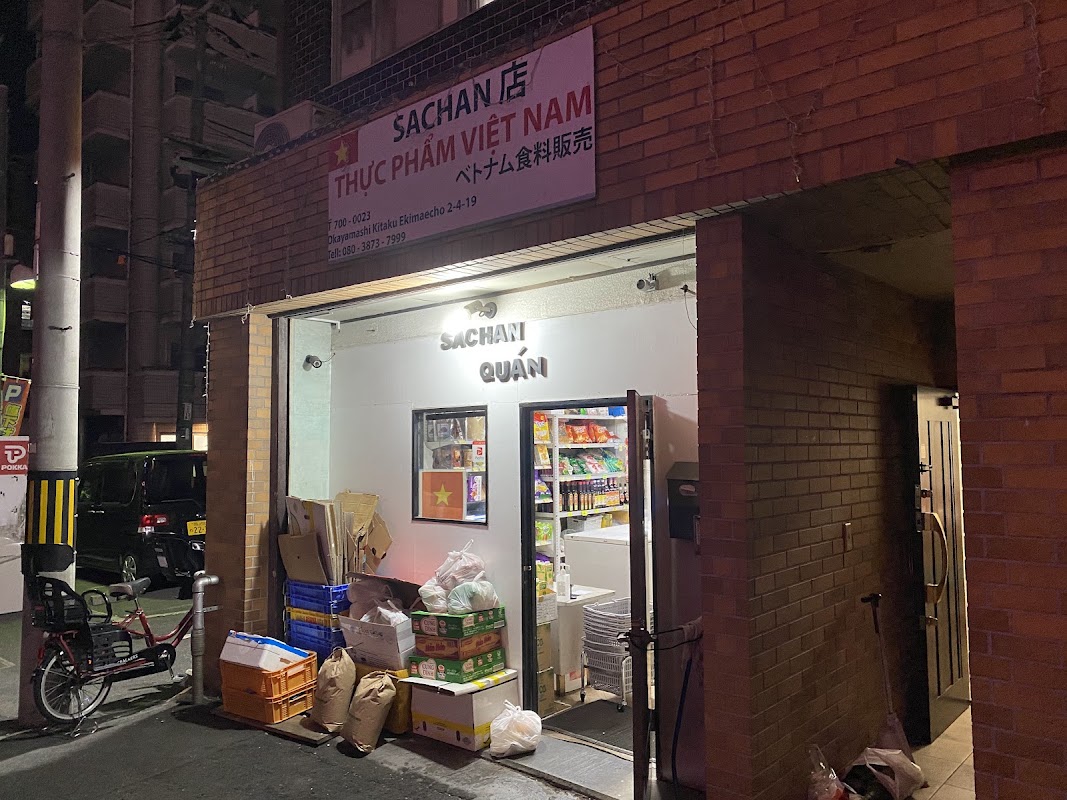
📍 Address: Kurejima Bldg., 2-4-19 Ekimae-cho, Kita-ku, Okayama-shi, Okayama 700-0023, Japan
Located a short distance from the hustle and bustle of Okayama Station, ‘(株)SACHAN’ is a vital hub that fundamentally supports the local Vietnamese community. In recent years, it has engaged in activities beyond just retail, such as sponsoring the ‘Vietnam Festival Okayama’.
The biggest appeal of this store is its practical product lineup, visited by long-term residents for their ‘daily home cooking’. It offers a rich variety of frozen chicken cuts, essential bottled local seasonings for Vietnamese cuisine, and even ‘raw peanuts’ which are surprisingly hard to find in Japan. Raw peanuts are a must-have item for recreating authentic Vietnamese home cooking, whether stir-fried and topped on salads or mixed into sticky rice.
While the owner may not be fluent in Japanese, this actually enhances the ‘authentic local feel’. The process of communicating through gestures or a translation app creates a real experience, as if you’re shopping in a small store in a Hanoi alleyway. Many local customers and international students are drawn to the owner’s consistently smiling personality and continue to frequent the shop.
XUÂN SHOP VIỆT NHẬT OKAYAMA
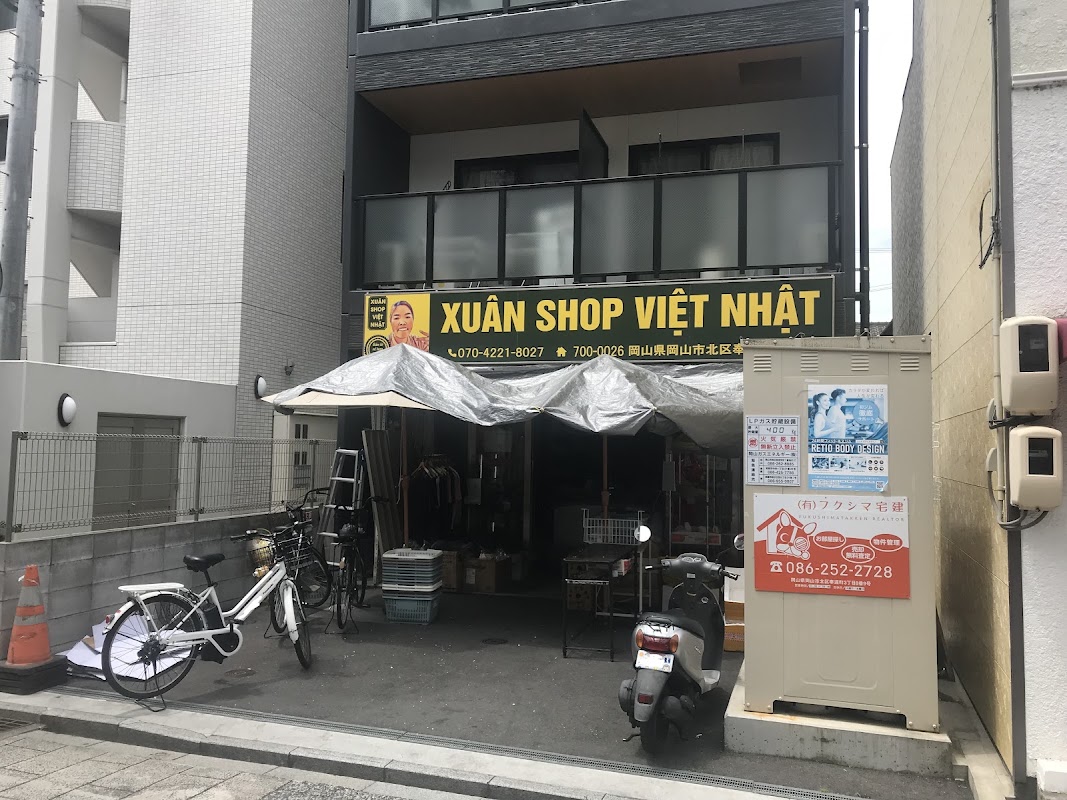
📍 Address: Laurea M&F 1F, 2-5-6 Hokancho, Kita-ku, Okayama-shi, Okayama 700-0026, Japan
‘XUÂN SHOP VIỆT NHẬT OKAYAMA’ suddenly opened in 2023 in an alleyway of the retro Hokancho shopping street. It’s the Okayama branch of a nationwide Vietnamese ingredient specialty chain, and from its opening, it quickly became a hot topic among local international students and trainees via SNS.
The store is packed with affordable groceries, from vermicelli and coconut water to snacks and fresh fruits. What’s particularly noteworthy is that ‘Balut’ (duck embryo nearing hatching), a deep local delicacy, is sold openly. Some people even fall into the ‘trap’ of buying it thinking it’s a regular egg, only to be shocked upon cracking it open – that’s how truly local the lineup is. Balut is excellent for stamina and is loved by local people as an easy source of nutrition.
The staff are very enthusiastic and go out of their way to help you find the ingredients you’re looking for, even when busy. They are constantly improving the sales floor, and the product range is updated daily, so it’s recommended to visit regularly to check out the latest Vietnamese trend ingredients.
ANNA Viet Nam Food Market
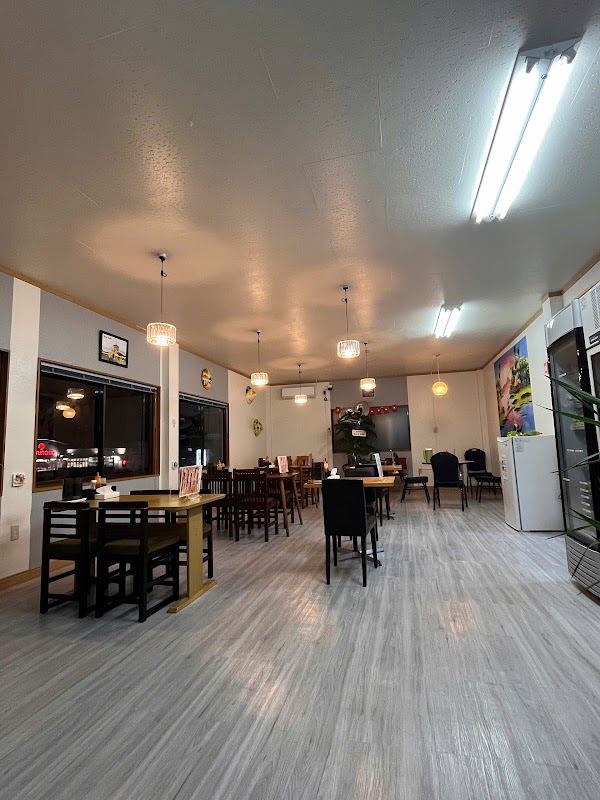
📍 Address: 2F, 2059-8 Kawabe, Mabi-cho, Kurashiki-shi, Okayama 710-1313, Japan
‘ANNA Viet Nam Food Market’, located along the main road in Mabi-cho, Kurashiki City, is a multi-purpose spot where you can both eat and shop. The store is on the second floor of a complex building, and with the staircase door closed, it might seem uninviting at first glance. However, step inside, and you’re greeted by vibrant Tet (Lunar New Year) decorations, completely immersing you in a Vietnamese atmosphere.
On weekdays, the focus is on takeout and grocery sales, while on weekends and holidays, they offer much-anticipated lunch service. Dishes like ‘Com Tam’ (broken rice with pork) and ‘Bun Bo’ perfectly replicate the authentic local taste, with a exquisite balance of sweetness, sourness, and spiciness, despite their light flavor.
The back of the store is a small Vietnamese supermarket, offering instant noodles like pho and vermicelli, as well as sticky rice cakes, mangoes, and handmade sweets in the refrigerator. The ‘Mung Bean Cake’ (Banh Dau Xanh), with its moist texture, is highly recommended as a souvenir. Friendly staff who are fluent in Japanese can teach you how to cook the ingredients, making it a great place for ethnic cuisine beginners to confidently try local ingredients.
Ha Noi Mart – ハノイマート 東南アジア食料品店
📍 Address: 1-7-24 Ekimae-cho, Kita-ku, Okayama-shi, Okayama 700-0023, Japan
‘Ha Noi Mart’, located within the Okayama Ekimae shopping arcade, is a supermarket buzzing with an energy befitting Okayama’s ‘Little Hanoi’. The store is always lively with local youth and international students, and you’re sure to be overwhelmed by the Vietnamese language flying around.
The true essence of this store lies in the ‘super’ deep local ingredients hidden in its freezers. From rarely seen river fish in Japan like snakehead, tilapia, rice eels, and silver carp, to even frogs and snails – ingredients essential for Vietnamese regional cuisine are abundantly available. Gourmands and those nostalgic for authentic local flavors gather here from both within and outside the prefecture.
Of course, beyond the deep-dive ingredients, there’s also a wide range of everyday items. Affordable young coconuts, the classic Filipino instant noodles ‘Pancit Canton’, various chili sauces, and rice paper – a lineup that supports Southeast Asian dining tables in general is appealing. They also support various cashless payment options, offering excellent convenience.
ベトナム料理ベトナムフード
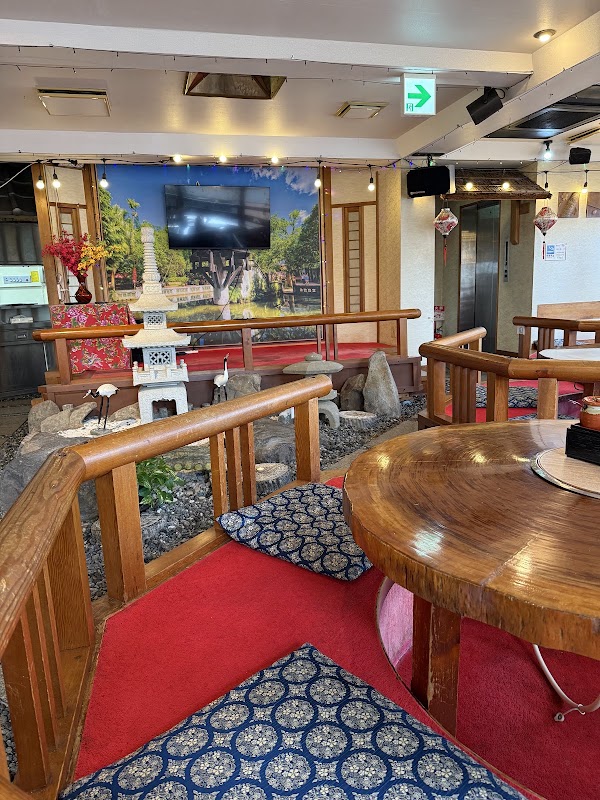
📍 Address: 1-10-21 Nodayacho, Kita-ku, Okayama-shi, Okayama 700-0815, Japan
‘Vietnamese Cuisine Vietnam Food’ in Nodayacho, Kita-ku, Okayama City, is an establishment that leans more towards an authentic restaurant than a supermarket, but it’s an essential spot for experiencing the forefront of local Vietnamese food. Take the elevator from the 1st floor to the 4th, and you’ll find a spacious area with all seats featuring horigotatsu (sunken kotatsu tables).
Here, you can savor ‘authentic’ Vietnamese dishes that haven’t been adapted for Japanese palates. ‘Vietnamese Chicken Feet’ (‘Vietnam Momiji’) is especially recommended. This deep-dive dish, highly coveted by locals, combines a spicy seasoning with the crunchy texture of cartilage, all balanced by the refreshing taste of green papaya. Other authentic styles include crispy Banh Xeo served with rice paper for wrapping, and whole coconut juice, allowing you to feel the local energy both visually and gastronomically.
The menu is easy to understand with Japanese表記, and they are flexible with adjusting cilantro quantity and spice levels. By getting an input on local seasoning and ingredient usage here, then heading to a nearby Vietnamese supermarket for shopping, your ability to recreate Vietnamese dishes at home will surely improve significantly.
Tips for making the most of Vietnamese Supermarkets
Vietnamese supermarkets, with their authentic local energy, often operate differently from typical Japanese supermarkets. For long-term residents and those looking to explore ethnic ingredients, here are some real shopping tips.
1. Conquer Unknown Ingredients with a Translation App and Gestures
It’s not uncommon to find staff at the register who don’t speak much Japanese. If package labels are only in Vietnamese, your smartphone’s translation app with its ‘camera input function’ is an essential item. Also, if you want to ask ‘How do I cook this?’, pointing at the ingredient and using gestures, or showing a picture of the dish, will often lead to them happily teaching you. Communication across language barriers is also a true pleasure of local supermarkets.
2. Beware of the Egg Trap! How to Distinguish ‘Balut’ from ‘Regular Eggs’
Eggs sold at room temperature or kept warm in Vietnamese supermarkets are almost certainly ‘Balut’ (duck embryo nearing hatching). While highly nutritious and very popular locally, unwittingly cracking one open thinking it’s a regular egg can be quite a shock, so be careful. If you want to buy regular chicken eggs, use a Japanese supermarket or ask the staff for ‘Trứng gà’ (which means ‘chicken egg’) to confirm before purchasing.
3. Proper Pre-processing is Key for Frozen River Fish and Deep-Dive Ingredients
Rice eels, frogs, and river fish found in freezers are exquisite ingredients essential for local Vietnamese cuisine, but they may have a unique earthy or muddy odor. The golden rule for delicious preparation is to thoroughly wash them with salt and lemon, or sake and ginger, to remove any strong odors before cooking. Using plenty of local seasonings (like nuoc mam, lemongrass, and chili sauce) to create a rich flavor is the secret to getting closer to authentic tastes.


'%3E%3Cpath%20stroke='%23000'%20stroke-width='4'%20d='m-35-37-13%2020m5%203%2013-20m5%203-13%2020m63%2042%206-9m1-2%206-9m5%203-6%209m-1%202-6%209m5%203%206-9m1-2%206-9m-96%200%2013%2020m5-3-6-9m-1-2-6-9m5-3%2013%2020m63-42-6-9m-1-2-6-9m5-3%2013%2020m5-3-6-9m-1-2-6-9'/%3E%3Ccircle%20r='24'%20fill='%23cd2e3a'/%3E%3Cpath%20fill='%230047a0'%20d='M0%200a12%2012%200%201%201%2020%2013%2024%2024%200%201%201-40-26A12%2012%200%201%200%200%200'/%3E%3C/g%3E%3C/svg%3E)
'/%3E%3Cpath%20fill='%23b2b2b2'%20d='M241%20382q0%2016%2017%2026%2017%2011%2042%2011t42-11q16-11%2017-26V269H241'/%3E%3Cpath%20fill='%239f7e00'%20d='M241%20379q0%2014%208%2023%209%209%2021%209%2014%200%2021-9%209-9%209-23V269h-59'/%3E%3Cpath%20d='M241%20339v-70h59v110q0%2014-9%2023l-6%205v-68h-15v72q-8%200-14-4v-68zm59%2040c0%2022%2015%2032%2029%2032%2021%200%2030-18%2030-32v-40h-59'/%3E%3Cpath%20fill='%239f7e00'%20d='M266%20277v5h2v12h-3v-5h2v-5h-9v5h2v5h-4v9h3v18h-5v10h34v-10h-5v-18h3v-9h-4v-5h2v-5h-9v5h2v5h-3v-12h2v-5zm42%20101q0%2010%206%2017%206%206%2015%207%2010-1%2016-7%206-7%206-17v-29h-43'/%3E%3Ccircle%20fill='%230044ad'%20cx='329.5'%20cy='372'%20r='6'/%3E%3Cellipse%20fill='%230044ad'%20cx='300'%20cy='340'%20rx='16'%20ry='21'/%3E%3C/svg%3E)


