

Discover a Foreign Land in Sendai! The Allure of Deep-Dive Asian and Vietnamese Supermarkets
In recent years, Sendai City has seen a rise in international students and technical intern trainees staying for medium to long terms, leading to a rapid increase in ‘Vietnamese supermarkets’ and ‘Asian grocery stores’ that support their local culinary needs.
Step inside, and you’ll find yourself in a foreign land. The sounds of local languages fill the air, distinct aromas of spices waft, and vibrant packages of snacks and condiments you’ve never seen before line the shelves. These stores, offering fresh produce and niche seasonings unavailable in regular Japanese supermarkets, are not only essential hubs for the local expat community but also treasure troves for Japanese residents eager to cook authentic ethnic cuisine.
This time, we’ll introduce a carefully selected list of Vietnamese and Asian grocery stores where you can feel Sendai’s vibrant local energy.
Ton-chan Asian Food Store
📍 Address: 3-8-5 Chuo, Aoba Ward, Sendai, Miyagi 980-0021, Japan
Just a few minutes’ walk from Sendai Station, deep inside the second floor of the ‘Shin-Sendai Ekimae Building (Ameyoko Building)’ right next to Sendai Morning Market, you’ll discover ‘Ton-chan Asian Food Store’ – a deep local spot known to those in the know. Step inside, and you’ll find a lively space bustling with Vietnamese customers and the sounds of Vietnamese conversation.
The selection is incredibly diverse, ranging from fresh produce like green papaya, affordable meat from the Tohoku region, authentic frozen foods, to niche seasonings. There’s a particularly wide variety of instant noodles and inexpensive snacks, making it recommended to try them ‘by the packaging’ if you have even a slight interest in Asian flavors. With convenient features like PayPay payment, it’s very welcoming to Japanese customers too.
The staff on duty speak polite Japanese, so you can feel at ease. There’s even a heartwarming anecdote where a Japanese customer, struggling with a translation app on their smartphone while looking for ‘Mam Tom (fermented shrimp paste),’ was helped by a young Vietnamese regular who happened to be there. It’s a truly local gem where you can experience the kindness and warmth of the local community.
HASUKO SHOP (Vietnamese Ingredients)(Asian)(Myanmar)(Indonesia)
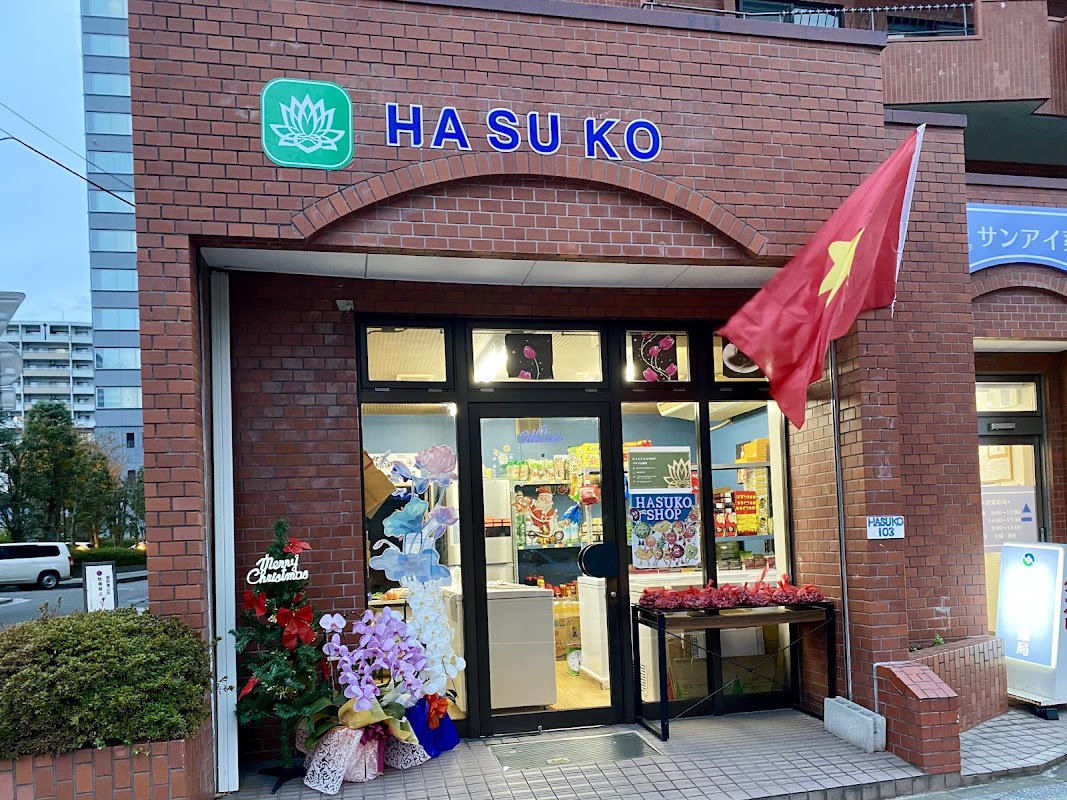
📍 Address: 1-6-25 Honcho, Aoba Ward, Sendai, Miyagi 980-0014, Japan
Located in the quiet Honcho area of Aoba Ward, ‘HASUKO SHOP’ is a multinational supermarket primarily offering Vietnamese ingredients, along with a wide range of Southeast Asian foods from countries like Myanmar and Indonesia. For nearby Asian residents, it functions as an ‘indispensable infrastructure,’ providing not just groceries but also daily necessities.
Recently renovated, the store is now more spacious and easier to navigate than before. Among often cluttered Asian supermarkets, it offers a relatively user-friendly layout. The owner is very kind and always greets customers with a smile, allowing first-time visitors to leisurely browse products without feeling intimidated.
The prices are also reasonable, and many international students can be seen buying in bulk. Since you can find ingredients from various Southeast Asian countries all in one place, it’s especially recommended for those who want to try cooking dishes from different nations.
Sen Mart
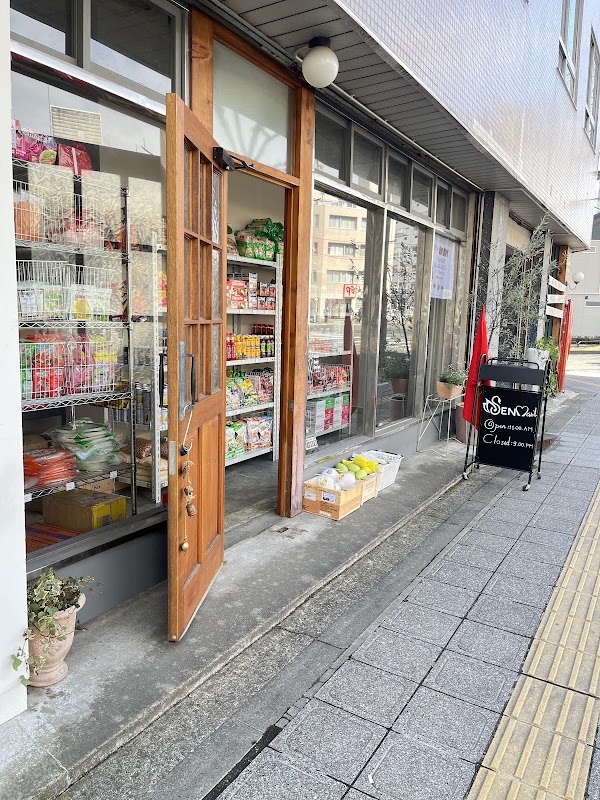
📍 Address: 1-13-20 102 Ichibancho, Aoba Ward, Sendai, Miyagi 980-0811, Japan
Tucked away in an alley off Ichibancho, ‘Sen Mart’ exudes a curious exotic atmosphere. This is truly a treasure trove of Vietnamese ingredients, highly valued by those seeking authentic flavors as one of the few specialized stores in Sendai where ‘all the ingredients for genuine Vietnamese cuisine can be found.’
Inside, unfamiliar Vietnamese seasonings and colorful snacks are tightly packed, creating a ‘mysterious space’ that makes you feel like you’re on an exciting exploration. From staples like pho noodles, nuoc mam (fish sauce), and rice paper to more niche items, the selection is outstanding.
The owner is Vietnamese but speaks fluent Japanese, so even if you can’t read the packaging, you can directly ask, ‘How do I cook with this?’ If you want to perfectly recreate authentic flavors at home, this is the first place you should visit.
Manami Super Market
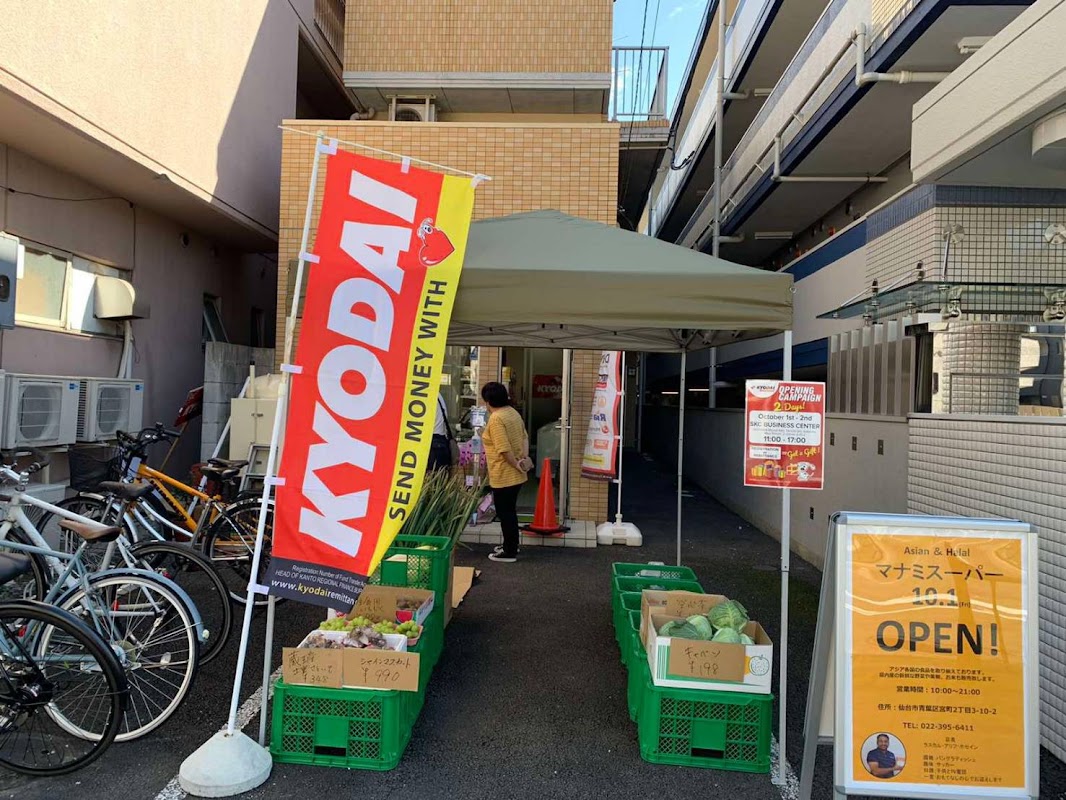
📍 Address: 2-3-10-2 Miyamachi, Aoba Ward, Sendai, Miyagi 980-0004, Japan
While slightly different from a Vietnamese supermarket, ‘Manami Super Market’ in Miyamachi is an absolute must-mention when discussing Asian ingredients in Sendai. This specialty store, run by a Bangladeshi owner, focuses on halal food and spices. Its narrow interior is packed with spices from brands rarely seen in Japan, as well as frozen halal meat.
The prices for spices, in particular, are exceptionally low, making it a hidden gem where mixed spices like meat masala can be bought cheaper than online. The store also boasts a niche selection that will impress connoisseurs, including rare, sweet-and-sour fruits called ‘Alu Bukhara’ used in biryani. Delicious instant chai is also popular.
For those short on time, authentic biryani and curries that can be heated in a microwave, as well as frozen desserts, are also recommended. With staff who speak fluent Japanese, you can enjoy shopping while learning about the profound world of spices.
Shopping Tips to Enjoy Local Supermarkets 120%
Shopping at Asian grocery stores, where the local energy is directly imported, comes with different rules and tips compared to Japanese supermarkets. Keep the following points in mind to enjoy a more immersive shopping experience.
1. A translation app is essential
Price tags and product packaging in these stores are often written only in Vietnamese or local languages. It’s the local style to have an image translation app like ‘Google Lens’ on your smartphone and use it to scan items as you browse.
2. Pay attention to expiration date formats
Imported foods often have expiration dates listed in a different order than Japan (Year/Month/Day), frequently appearing as ‘Day/Month/Year’. Additionally, some dry goods and spices might have shorter shelf lives, so make it a habit to carefully check the packaging before purchasing.
3. Don’t hesitate to ask if you’re unsure
The staff at the stores introduced here, and the international students shopping there, are much kinder and friendlier than you might expect. If you’re unsure how to use a seasoning or are looking for a specific ingredient, don’t hesitate to ask. If you’re lucky, they might even teach you a delicious local recipe, saying, ‘This is how you eat it!’


