

Gero Onsen in Gifu Prefecture is counted as one of Japan’s three most famous hot springs. Renowned for its ‘Beauty Bath’—a thick, silky water that clings to your skin—the hot spring town and its surroundings actually boast a compact collection of charming tourist attractions perfect for a walking tour.
This article introduces 5 carefully selected must-visit spots in Gero Onsen, ranging from classic historical sites that you absolutely can’t miss, to lesser-known deep walking paths, and unique shrines that delight visitors with their playful features. We go beyond mere information, offering insights into the true local atmosphere, such as ‘when to visit’ and ‘how to enjoy each spot,’ so you can use this guide to plan your trip.
Onsen-ji Temple
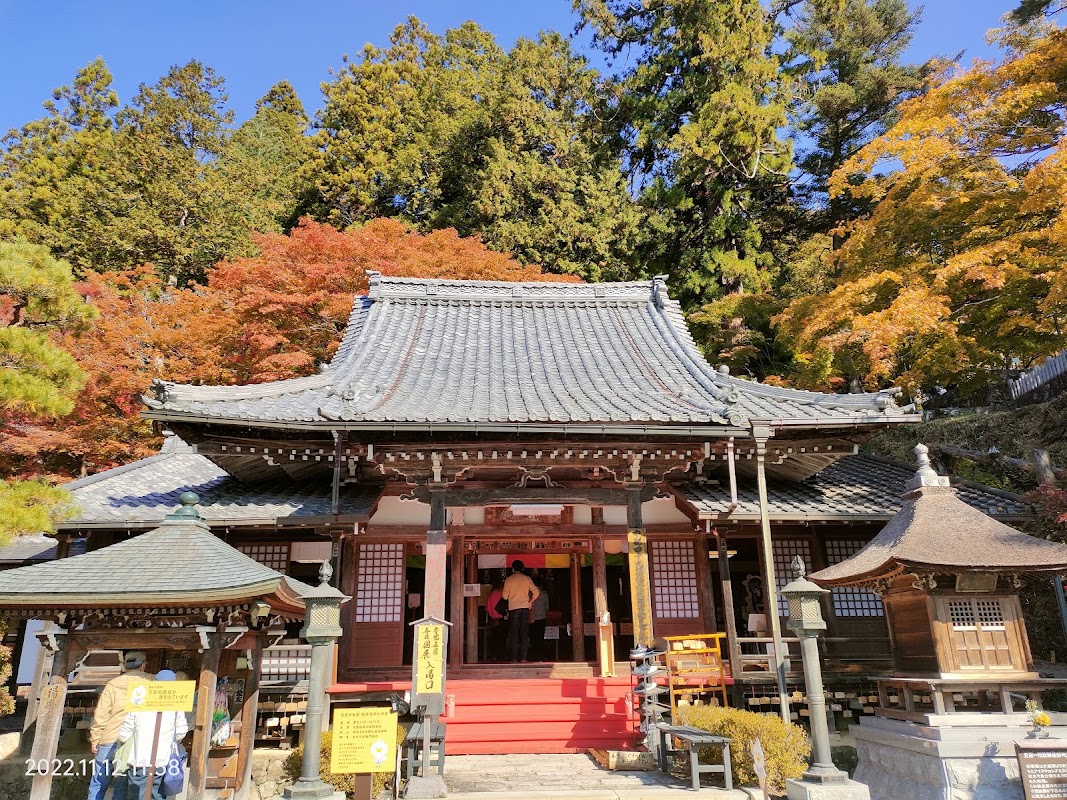
📍 Address: 680 Yunoshima, Gero, Gifu 509-2207, Japan
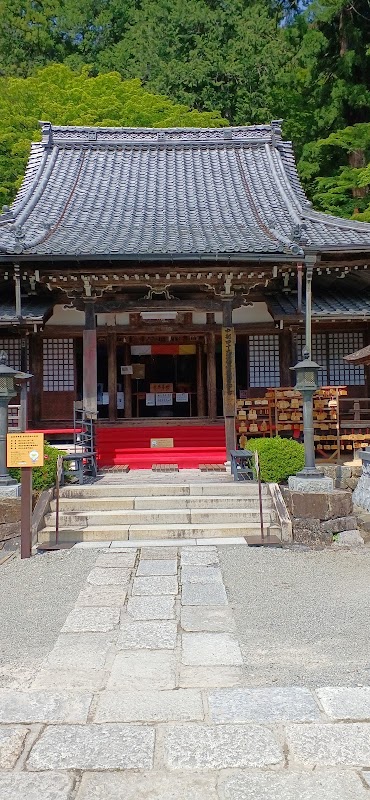
Essential to the history of Gero Onsen is Iozan Onsen-ji Temple (Rinzai sect, Myoshin-ji school). It’s deeply connected to the ‘White Heron Legend,’ which tells of a white heron (shirasagi) that appeared when the hot spring once dried up in the Kamakura period, guiding villagers to a new spring source. The temple enshrines a Yakushi Nyorai statue, believed to be the embodiment of this white heron, as its principal deity.
A short walk from the hot spring town, and after ascending 173 stone steps that lead up the hillside of Mt. Nakane, often called ‘Gero Fuji,’ you’ll find the temple grounds enveloped in tranquility. Situated on high ground, it’s also a popular lookout point offering superb panoramic views of the Hida mountains and the hot spring town. From the base of the ‘Yaku-Yakushi Nyorai Statue’ in front of the main hall, Gero Onsen’s sacred waters still flow, and worshippers are often seen pouring the water over parts of their bodies to pray for healing.
The autumn foliage season is especially not to be missed. Around 80 maple trees on the temple grounds turn vibrant colors, and a night illumination typically takes place around mid-November. Soaking in the ‘Momiji Ashiyu’ (maple tree footbath) that appears on the grounds only during this period, while gazing at the fantastical autumn leaves illuminated against the night sky, is a truly exquisite experience unique to Gero Onsen. Early morning visits, when there are fewer people and the air is clear, are particularly recommended during the day. However, the stone steps can be slippery after rain, so be sure to wear comfortable walking shoes.
Gero Onsen Gassho Village
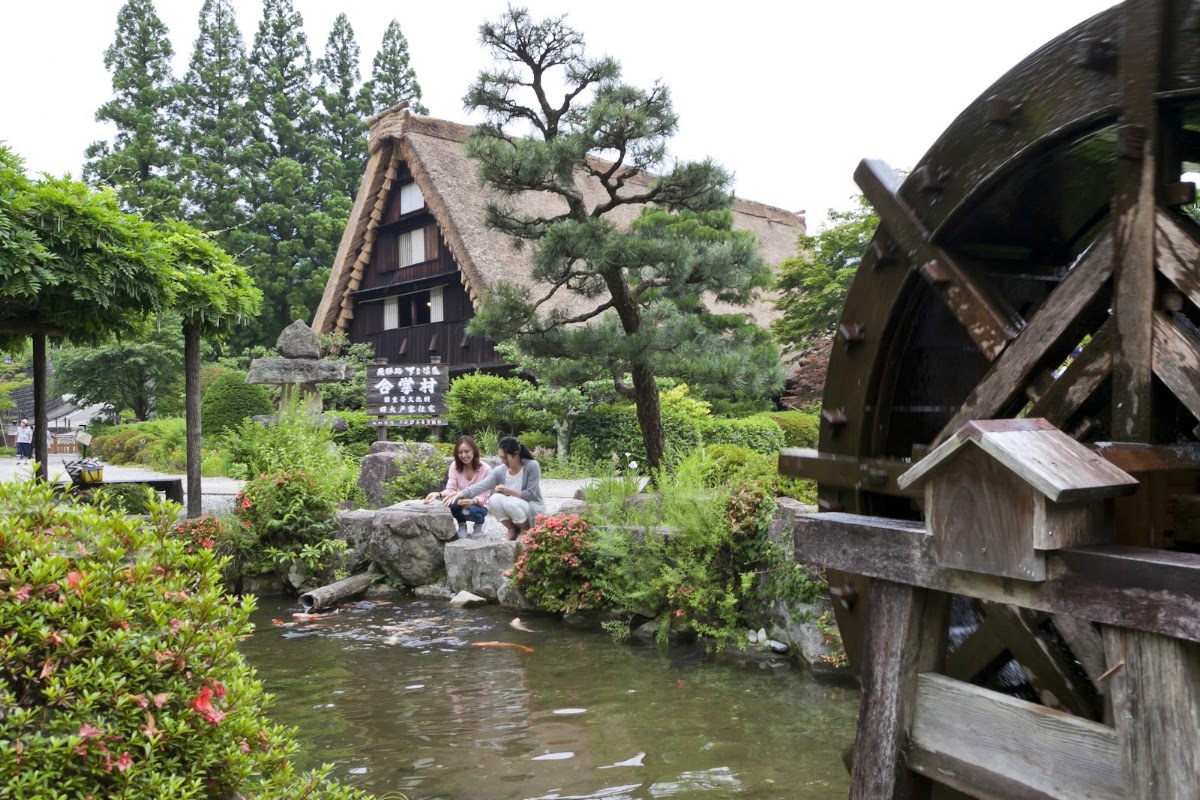
📍 Address: 2369 Mori, Gero, Gifu 509-2202, Japan
Located about a 10-minute walk up a gentle slope from the hot spring town, Gero Onsen Gassho Village is an open-air museum featuring 10 authentic gassho-zukuri (thatched-roof, steeply-pitched farmhouse) houses, relocated from places like Shirakawa-go and Gokayama in Toyama Prefecture. Stepping inside feels like a journey back in time, revealing a quintessential Japanese landscape.
The main highlight is the ‘Old Odo Family Residence,’ a National Important Cultural Property. This grand farmer’s house, originally destined to be submerged at the bottom of the Miboro Dam, was dismantled and reassembled here, boasting the largest scale for a gassho-zukuri house with a gable-thatched roof, characteristic of Shirakawa-go. Inside, you’re greeted by the scent of smoke rising from the irori (sunken hearth) and thick pillars that gleam black with soot after many years. You can closely observe the wisdom and techniques of our ancestors, who built these structures without using a single nail.
The site is divided into two zones: ‘Gassho no Sato’ (Gassho Village) and ‘Saijiki no Mori’ (Forest of Seasonal Rituals), which recreates a satoyama (rural landscape). If you get tired from walking, a classic option is to soak in the free ‘Gassho Ashiyu’ (footbath) or take a break at a teahouse. There’s also a thrilling 175-meter ‘Forest Slide’ (100 yen per ride) that both children and adults can enjoy, making it a place not just for sightseeing but also for active fun. The entrance fee is 800 yen for adults, but its richness offers enough to easily spend half a day, making it highly recommended as a main spot for Gero sightseeing.
Gero Onsen Shrine
📍 Address: 801-2 Yunoshima, Gero, Gifu 509-2207, Japan
Right in the heart of the hot spring town, along the main street, stands Gero Onsen Shrine. It’s built into the first-floor corner of a building called ‘Ryokan Kaikan,’ featuring an innovative and modern design that might be easily overlooked at first glance.
This shrine was established in 1989 (Heisei 1), with a divided spirit from Yudonosan Shrine, one of Yamagata Prefecture’s Dewa Sanzan (Three Sacred Mountains of Dewa), to pray for the further prosperity of Gero Onsen and to express gratitude for the blessings of its hot springs. The first thing that surprises visitors is the ‘chozuya’ (purification fountain). Instead of cold water, a generous flow of 100% natural ‘warm hot spring water’ gushes from the dragon’s mouth. Being able to touch hot spring water at a chozuya is a sophisticated touch unique to one of Japan’s most famous hot springs.
Being located under the building’s roof is a great advantage, allowing visitors to worship without getting wet on rainy or snowy days, and easily even at night. The area around the shrine is densely packed with famous food stalls offering ‘Ontama Pudding’ (hot spring egg pudding) and ‘Hida Beef Sushi,’ making it a smart way to visit: enjoy some street food and then casually drop by in your yukata and geta (traditional Japanese sandals) from a nearby ryokan to pray for a safe journey.
Seseragi no Komichi (Whispering Stream Path)
📍 Address: Yunoshima, Gero, Gifu 509-2207, Japan
When exploring Gero Onsen and you want to shift your focus to nature, ‘Seseragi no Komichi’ is the place to visit. This promenade is built along the Atano-dani Valley, which flows from the eastern mountainside where Gassho Village is located, towards the Hida River, extending through the heart of the hot spring town.
Access is easy: from the stairs next to the ‘Charlie Chaplin Statue’ by Shirasagi Bridge, you can immediately descend to the riverbank. Once on the promenade, you’re at a lower elevation, and the hustle and bustle of the hot spring town instantly recedes, replaced by a soothing space filled with the pleasant murmur of the stream and the sound of water. Its greatest charm is the ability to enjoy the seasonal expressions of nature alongside the water’s surface: cherry blossoms in spring, vibrant fresh greenery in early summer, and beautiful autumn leaves in fall.
The promenade connects upstream to ‘Yu no Machi Ujo Park,’ making it a perfect post-meal stroll after indulging in local delicacies. However, some stairs can be steep, and parts of the stone pavement can be wet and slippery, so avoid uncomfortable shoes like heels and exercise caution with your footing as you enjoy your walk.
Kaeru Shrine
📍 Address: 543-2 Yunoshima, Gero, Gifu 509-2207, Japan
Adjacent to the ‘Gero Onsen Museum’ on Yu no Machi Street, Kaeru Shrine (Kaeru is Japanese for ‘frog’) is a relatively new tourist attraction, established in 2010. It’s a humorous shrine born from a play on words: Gero (the town’s name) sounds like ‘gero gero,’ the croaking sound of a frog, and also evokes auspicious phrases like ‘muji kaeru’ (safe return from a trip) and ‘wakagaeru’ (rejuvenation), linking to ‘returning’ good fortune and youth.
Upon entering the shrine grounds, you’ll find charming frog motifs scattered everywhere, from the windows of stone lanterns to the chozuya (purification font), making it fun just to spot them. The biggest entertainment factor is the offering box in front of the main hall. When you put in an offering, ‘prophecies’ from Kaeru Daimyojin (Great God Kaeru) – both auspicious and amusing – are played aloud, such as ‘You shall become younger and younger… Gero gero!♪’ or ‘Money shall overflow…’
While a unique tourist shrine, this location is also historically significant: it’s the former site of the honjin (main inn) where the surveying team of Tadataka Ino, who created Japan’s first accurate map during the Edo period, stayed. A stone monument inscribed ‘Tadataka Ino Surveying & Lodging Site’ quietly stands in a corner of the grounds, allowing visitors to touch a tangible piece of history. This spot is extremely popular, especially among young women and couples, for creating Instagram-worthy travel memories.
Tips for Maximizing Your Gero Onsen Stroll
One of the charms of Gero Onsen’s tourist attractions is their compact concentration within walking distance. However, the terrain has surprising ups and downs, including the 173 stone steps at Onsen-ji Temple, the gentle slope leading to Gassho Village, and ascents/descents to Seseragi no Komichi. Therefore, wearing sneakers or comfortable sandals/geta borrowed from your ryokan is best for your stroll.
Additionally, free ‘ashiyu’ (footbaths) are dotted throughout the town for anyone to use. A golden rule for smart travelers exploring Gero Onsen is to carry a small towel in your bag so you can quickly take off your shoes and refresh your tired feet. Enjoy the best hot spring trip by visiting delicious gourmet spots, famous hot springs, and heartwarming historical sites!


'%3E%3Cpath%20stroke='%23000'%20stroke-width='4'%20d='m-35-37-13%2020m5%203%2013-20m5%203-13%2020m63%2042%206-9m1-2%206-9m5%203-6%209m-1%202-6%209m5%203%206-9m1-2%206-9m-96%200%2013%2020m5-3-6-9m-1-2-6-9m5-3%2013%2020m63-42-6-9m-1-2-6-9m5-3%2013%2020m5-3-6-9m-1-2-6-9'/%3E%3Ccircle%20r='24'%20fill='%23cd2e3a'/%3E%3Cpath%20fill='%230047a0'%20d='M0%200a12%2012%200%201%201%2020%2013%2024%2024%200%201%201-40-26A12%2012%200%201%200%200%200'/%3E%3C/g%3E%3C/svg%3E)
'/%3E%3Cpath%20fill='%23b2b2b2'%20d='M241%20382q0%2016%2017%2026%2017%2011%2042%2011t42-11q16-11%2017-26V269H241'/%3E%3Cpath%20fill='%239f7e00'%20d='M241%20379q0%2014%208%2023%209%209%2021%209%2014%200%2021-9%209-9%209-23V269h-59'/%3E%3Cpath%20d='M241%20339v-70h59v110q0%2014-9%2023l-6%205v-68h-15v72q-8%200-14-4v-68zm59%2040c0%2022%2015%2032%2029%2032%2021%200%2030-18%2030-32v-40h-59'/%3E%3Cpath%20fill='%239f7e00'%20d='M266%20277v5h2v12h-3v-5h2v-5h-9v5h2v5h-4v9h3v18h-5v10h34v-10h-5v-18h3v-9h-4v-5h2v-5h-9v5h2v5h-3v-12h2v-5zm42%20101q0%2010%206%2017%206%206%2015%207%2010-1%2016-7%206-7%206-17v-29h-43'/%3E%3Ccircle%20fill='%230044ad'%20cx='329.5'%20cy='372'%20r='6'/%3E%3Cellipse%20fill='%230044ad'%20cx='300'%20cy='340'%20rx='16'%20ry='21'/%3E%3C/svg%3E)


