

Fukui Prefecture is a diverse tourist area packed with attractions. It’s not only world-renowned as a dinosaur fossil excavation site but also boasts historical ruins that evoke the spirit of the Sengoku period, beautiful Japanese gardens, and even deep spiritual spots with untouched nature.
This article delves deep into the ‘real information’ that travelers truly want to know, from those on short trips to long-term visitors exploring the area thoroughly. We’ve handpicked five must-visit tourist spots and meticulously explain the local atmosphere, often-overlooked deep attractions, and tips for efficient sightseeing.
Fukui Prefectural Dinosaur Museum
📍 Address: 51-11 Terao, Muraoka-cho, Katsuyama, Fukui 911-8601, Japan
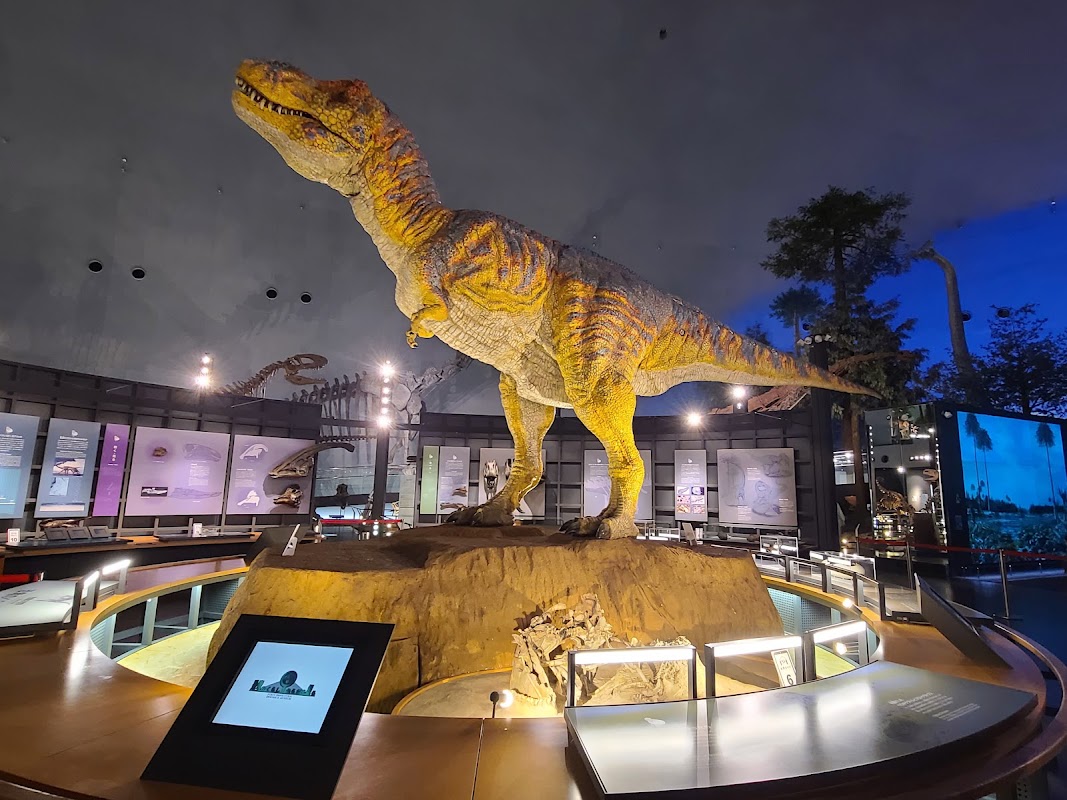
The biggest highlight of any Fukui trip is the globally renowned ‘Fukui Prefectural Dinosaur Museum.’ Designed by architect Kisho Kurokawa, its gigantic silver dome embodies the theme of coexistence with the surrounding natural environment, boasting a beautiful form that also serves the practical purpose of shedding winter snow. Step inside, and a massive escalator will sweep you down into an underground space, revealing a vast, ‘bone-filled’ cavern that will make both adults and children gasp in awe.
Inside, over 40 full-body dinosaur skeletons are displayed in a tightly packed arrangement, while life-sized moving dinosaur robots appear almost alive. A unique feature is the absence of a fixed route, allowing visitors to explore the vast space at their own pace. Constantly evolving exhibits, such as the newly added ‘Dinosaur Tower’ and the immersive video room, possess an overwhelming intensity that ensures complete immersion even for non-dinosaur enthusiasts.
[Insider Tips for Your Visit]
Weekends are extremely crowded, so advance online ticket purchase (with time slot reservation) is essential. The museum is quite large, with many level changes via stairs and escalators, so for those with small children, a ‘baby carrier’ is recommended over a stroller to get close to the fossils without stress. Also, the museum shop is a treasure trove of exclusive figures! If you’re returning by bus, don’t forget to secure your ‘bus fare (cash)’ at the change machine next to the gacha-gacha machines.
Yōkōkan Garden (A Place of Scenic Beauty)
📍 Address: 3-11-36 Hōei, Fukui, Fukui 910-0004, Japan
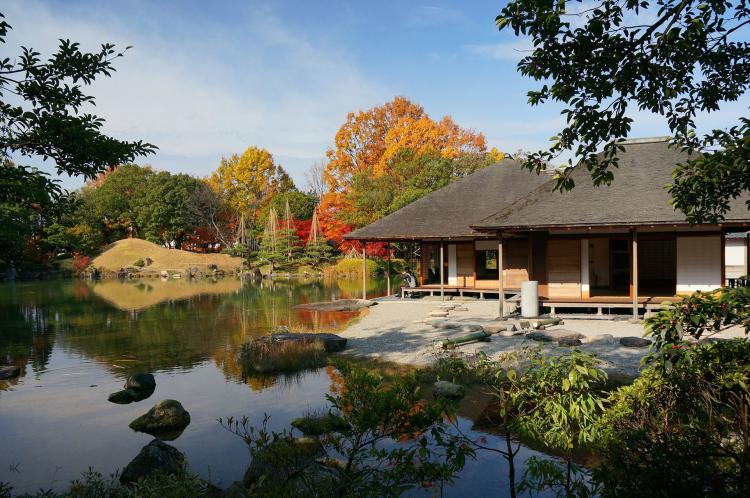
Even though it’s located in the heart of Fukui City, step into ‘Yōkōkan Garden’ and you’ll be enveloped in a silence as if time has stopped. Once cherished as a separate villa (Go-sensui Yashiki) by the Echizen Matsudaira clan, the lords of the Fukui domain, this strolling pond garden is globally recognized, consistently ranking high in American specialty magazines on Japanese gardens.
The Sukiya-style residence, arranged around a large pond, features all rooms and verandas opening towards the garden, allowing you to enjoy completely different views depending on where you sit. In the past, it served as a filming location for a TV commercial featuring Sayuri Yoshinaga, and many likely remember its stunning visual beauty. Here, you can enjoy blissful relaxation, feeling like a feudal lord, while gazing at the magnificent koi gracefully swimming in the pond and ducks resting their wings.
[Insider Tips for Your Visit]
Despite its historical value and beauty, the entrance fee is surprisingly reasonable at just 220 yen for adults. Carp food (50 yen) is also sold at the entrance, and feeding the fish by the pond, which acts like a water mirror, is a delightful pastime. The beauty of the autumn leaves and snowy scenery, especially when viewed from the ‘Otsukimi-no-ma’ (Moon-viewing Room), is exceptional, making it a perfect location for photography enthusiasts who want to immerse themselves in capturing the scenery.
Ōmushi Falls
📍 Address: Takamori-cho, Echizen, Fukui 915-0888, Japan
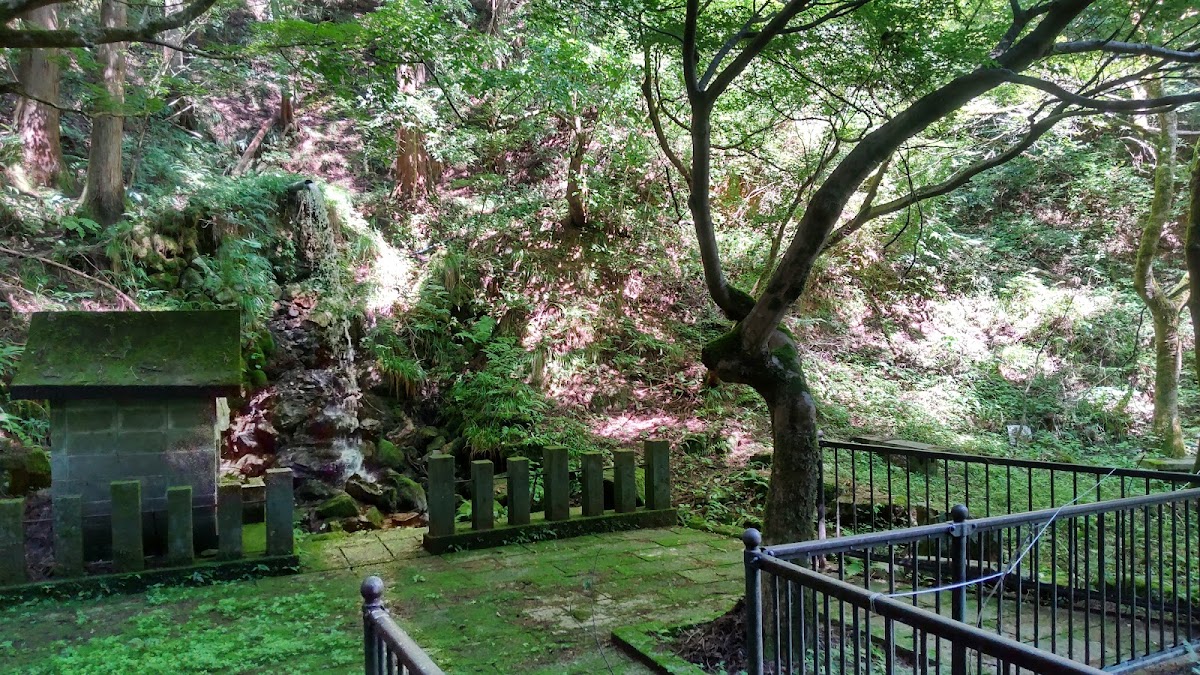
For those seeking a deep, local hidden gem that stands apart from typical tourist spots, we recommend ‘Ōmushi Falls’ (also known as ‘Shishi-no-taki’ or Lion’s Falls) in Echizen City. This quiet power spot, known only to a few, is tucked away as part of the trailhead for a circular route popular with local hikers heading to ‘Jagadake’ and ‘Onigadake’ mountains.
While the waterfall itself is not massive, the space filled with highly transparent, cold water gushing from the mountains and the negative ions woven by abundant nature will purify the hearts of visitors. Fudo Myoo (an immovable wisdom king) is enshrined near the falls, and the fresh flowers offered there clearly show that it is cherished as an object of faith by local people.
[Insider Tips for Your Visit]
After heavy rain, entry restrictions may be in place due to partial landslides, so always follow the instructions on local signboards. This is not a promenade developed for tourists, so comfortable walking shoes like sneakers are essential. Some spiritually sensitive travelers have reported feeling ‘a tingling energy from the stones,’ making this a hidden spot perfect for those who want to monopolize the tranquility and mysterious atmosphere of nature.
Atagozaka Hill
📍 Address: 1-6-37 Asuwa, Fukui, Fukui 918-8007, Japan
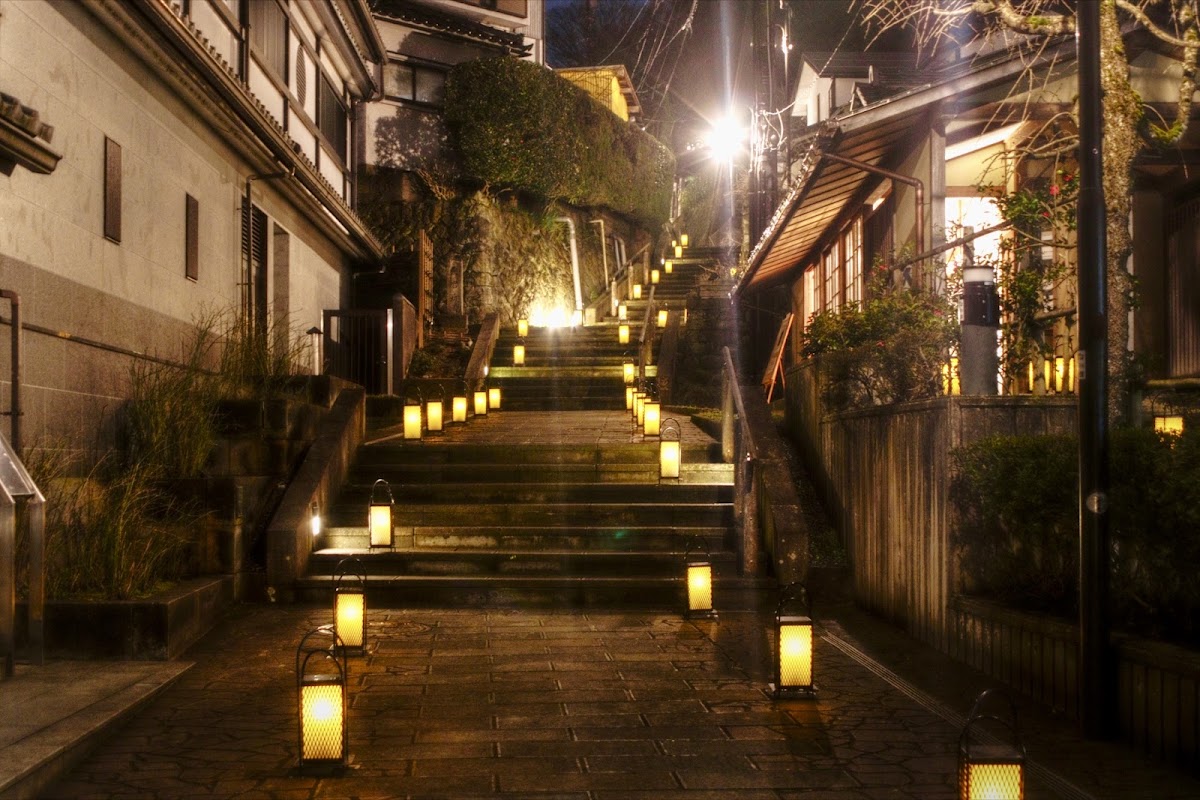
‘Atagozaka Hill’ has been walked by people since ancient times as the approach to Mt. Asuwa, which offers a panoramic view of Fukui City. This slope, maintained in the late Edo period by the wealthy merchant Kichibei Matsuokaya with his private funds, is paved with 145 steps of ‘Shakudani Stone,’ a special Fukui local stone.
The most significant feature of Shakudani Stone is its transformation into a deep, vivid blue-green color (‘Fukui Blue’) when wet by rain or water. These stone steps, which present entirely different appearances on sunny and rainy days, are a beautiful landscape unique to Fukui, also recognized as a Japan Heritage site. Along the slope, you’ll find the memorial museum of Bakumatsu period poet Akemi Tachibana and the Atagozaka Museum of Tea Ceremony, retaining a strong sense of history and literature.
[Insider Tips for Your Visit]
This slope, leading to cherry blossom renowned Mt. Asuwa, is illuminated during the spring ‘Fukui Cherry Blossom Festival,’ creating a magical scene where faint lantern lights illuminate the stone steps at night. While the continuous steep stairs might be challenging for those with mobility concerns, the view of Fukui city’s buildings and mountain ranges from the observation deck along the way is spectacular. For camera enthusiasts, it’s best to intentionally visit during the moist, post-rain period to capture its unique beauty.
Ichijodani Asakura Clan Historic Ruins: Reconstructed Townscape
📍 Address: 28-37 Kido-no-uchi-cho, Fukui, Fukui 910-2153, Japan
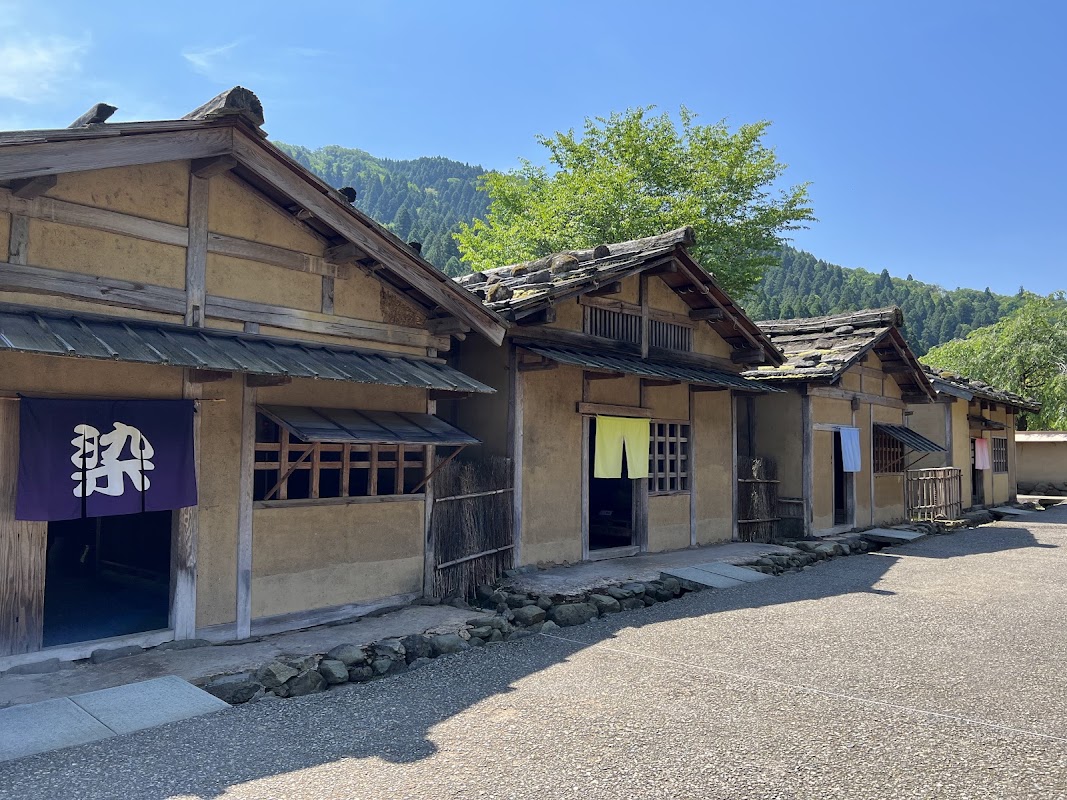
Known as Japan’s Pompeii, the ‘Ichijodani Asakura Clan Historic Ruins’ are the remains of a castle town that was governed by the Asakura clan for 100 years during the Sengoku period in Echizen Province. This is an extremely rare historical heritage site in Japan, holding a triple designation as a National Special Historic Site, Special Place of Scenic Beauty, and Important Cultural Property. It has also garnered attention as a filming location for the NHK historical drama ‘Hikaru Kimi e’ (To the Luminous Me), where it appeared as a village known for Echizen Washi paper.
The ‘Reconstructed Townscape’ area, where samurai residences, merchant houses, and artisan homes of the era are faithfully reproduced within a vast site, offers a true time-slip experience to the Sengoku period. By entering inside a samurai residence, you can truly experience what kind of layouts people lived in and what gardens they gazed upon. Even traces of wells and toilets remain in the neatly divided townscape, revealing a surprisingly advanced urban planning.
[Insider Tips for Your Visit]
The golden rule for enjoying this area 120% is to ‘first visit the newly established ‘Asakura Clan Ruins Museum’ and purchase a combined ticket.’ Walking through the actual townscape after inputting the historical background at the museum will dramatically change your perspective. Also, the site is very vast and requires a lot of walking, so after exploring, the local way is to buy ‘Yomogi Mitarashi Dango’ (mugwort sweet dumplings) at a teahouse within the merchant house cluster and relax. Buses from Fukui Station are infrequent, so be sure to get the latest timetable at the tourist information center and plan your movements carefully.
Summary and Advice for Travelers
Fukui Prefecture’s tourist attractions are characterized by the ‘depth of history’ and ‘overwhelming scale of space’ that each spot possesses. You can experience the flow of time, from the ancient age of dinosaurs, through the Sengoku period, Edo period charm, and up to the present day, as if embarking on a journey through time.
Some of the spots introduced this time are a bit far apart by area, so traveling by rental car is the most efficient. However, if using public transportation, careful advance booking and checking bus timetables are key to a successful trip. By all means, go beyond superficial sightseeing and enjoy a higher-grade Fukui trip, touching upon the deep history and cultural essence preserved by local people.


'%3E%3Cpath%20stroke='%23000'%20stroke-width='4'%20d='m-35-37-13%2020m5%203%2013-20m5%203-13%2020m63%2042%206-9m1-2%206-9m5%203-6%209m-1%202-6%209m5%203%206-9m1-2%206-9m-96%200%2013%2020m5-3-6-9m-1-2-6-9m5-3%2013%2020m63-42-6-9m-1-2-6-9m5-3%2013%2020m5-3-6-9m-1-2-6-9'/%3E%3Ccircle%20r='24'%20fill='%23cd2e3a'/%3E%3Cpath%20fill='%230047a0'%20d='M0%200a12%2012%200%201%201%2020%2013%2024%2024%200%201%201-40-26A12%2012%200%201%200%200%200'/%3E%3C/g%3E%3C/svg%3E)
'/%3E%3Cpath%20fill='%23b2b2b2'%20d='M241%20382q0%2016%2017%2026%2017%2011%2042%2011t42-11q16-11%2017-26V269H241'/%3E%3Cpath%20fill='%239f7e00'%20d='M241%20379q0%2014%208%2023%209%209%2021%209%2014%200%2021-9%209-9%209-23V269h-59'/%3E%3Cpath%20d='M241%20339v-70h59v110q0%2014-9%2023l-6%205v-68h-15v72q-8%200-14-4v-68zm59%2040c0%2022%2015%2032%2029%2032%2021%200%2030-18%2030-32v-40h-59'/%3E%3Cpath%20fill='%239f7e00'%20d='M266%20277v5h2v12h-3v-5h2v-5h-9v5h2v5h-4v9h3v18h-5v10h34v-10h-5v-18h3v-9h-4v-5h2v-5h-9v5h2v5h-3v-12h2v-5zm42%20101q0%2010%206%2017%206%206%2015%207%2010-1%2016-7%206-7%206-17v-29h-43'/%3E%3Ccircle%20fill='%230044ad'%20cx='329.5'%20cy='372'%20r='6'/%3E%3Cellipse%20fill='%230044ad'%20cx='300'%20cy='340'%20rx='16'%20ry='21'/%3E%3C/svg%3E)


