

Tochigi Prefecture is home to many long-term residents and international students from Southeast Asian countries like Vietnam, as well as South Asian countries such as Nepal and Bangladesh. The ‘local supermarkets’ that support their diets and allow them to recreate authentic flavors have now become a treasure trove for Japanese people seeking new and unknown ingredients.
This article carefully selects and introduces deep and charming Vietnamese supermarkets and Asian/Halal grocery stores scattered throughout Tochigi Prefecture (and easily accessible border areas). We’ll share insights into real shopping habits, frequented by locals and food lovers, offering fresh herbs unavailable in regular Japanese supermarkets, affordable small-portion spices, and large bags of Indica rice.
Thực Phẩm Việt Sano
📍 Address: 72 Takasagomachi, Sano City, Tochigi Prefecture 327-0022, Japan
‘Thực Phẩm Việt Sano’ in Sano City is an authentic Vietnamese grocery store that truly captures the local vibe. From essential Vietnamese condiments like nuoc mam and chili sauce to dried noodles such as pho and bun, and even frozen meats and seafood, a wide variety of local items are packed into every corner.
Its biggest highlights are the high quality and reasonable prices. Furthermore, it offers a highly reliable ‘delivery service’ that is incredibly helpful for international students and long-term residents without cars. Since they can buy in bulk and have items delivered directly to their homes, it’s cherished within the local community as a vital infrastructure supporting daily home cooking.
E-Spicy Halalfood
📍 Address: 2 Chome-10-16 Shukugo, Utsunomiya, Tochigi 321-0945, Japan
‘E-Spicy Halalfood,’ located in the Shukugo area of Utsunomiya City, is a large Asian grocery store offering a wide range of ingredients from various countries, including India, Bangladesh, Pakistan, Vietnam, Nepal, and Sri Lanka. It’s well-regarded for its selection of Halal (permissible under Islamic law) foods, where you can find authentic spices, fresh produce, beans, grains, and snacks at reasonable prices.
The store is very spacious, allowing for a relaxed shopping experience. A unique feature is the provision of sofa seating for guests, serving as a local community space where people can exchange information with fellow nationals or enjoy a leisurely chat between shopping. Free parking is also available, making it ideal for weekend grocery runs.
Bishwodarsan Asian Food & Spice Shop
📍 Address: Royal Mansion B101, 5-19 Futara-machi, Utsunomiya, Tochigi 320-0804, Japan
‘Bishwodarsan Asian Food & Spice Shop’ in Futaracho, Utsunomiya City, is a highly recommended gem for spice enthusiasts and anyone eager to try making authentic curry or biryani. While the exterior might make it a bit intimidating to enter, once inside, you’ll be warmly greeted by the kind Nepalese owner, who is fluent in Japanese.
The essence of this shop lies in its small, zip-lock bag packaging of whole and powdered spices (around 200 yen each), allowing even beginners to easily try various types. Basmati rice (Indica rice), essential for biryani, is exceptionally priced at about 800 yen per kg. Popular health-conscious items like ‘Ghee’ (clarified butter) and addictive spicy mango pickles (achar) are also available.
Another great feature is the affordable ‘unpackaged, by-weight’ sale of vegetables like potatoes, onions, and ginger. Bringing your own reusable bag is recommended for shopping. Parking is available in spaces marked ’10’ and ’11’ in front of the store’s car stopper, but they can be a bit hard to spot, so check carefully. Cashless payment methods like PayPay are also accepted.
SEWA MART
📍 Address: 2 Chome-4-9 Odori, Utsunomiya, Tochigi 320-0811, Japan
‘SEWA MART,’ located along Odori street from Utsunomiya Station’s west exit, is a Halal shop where you can find rare ingredients from Nepal and South Asia. Rich and delicious mango juice and high-quality tea leaves, essential for authentic milk tea, are particularly popular.
The staff are friendly, and communication in Japanese is not an issue. During lunchtime, they also serve delicious, authentic dishes. Coupled with the owner’s kind hospitality, it’s a place that ‘makes you want to return again and again,’ attracting a steady stream of repeat customers.
However, there’s a crucial point regarding access. The store is right next to an intersection and has no dedicated parking, so on-street parking in the vicinity is absolutely forbidden. As it’s a high-traffic area, also due to LRT extension plans, if you visit by car, please be sure to use a nearby paid coin-operated parking lot.
Ibaraki Vietnam Market
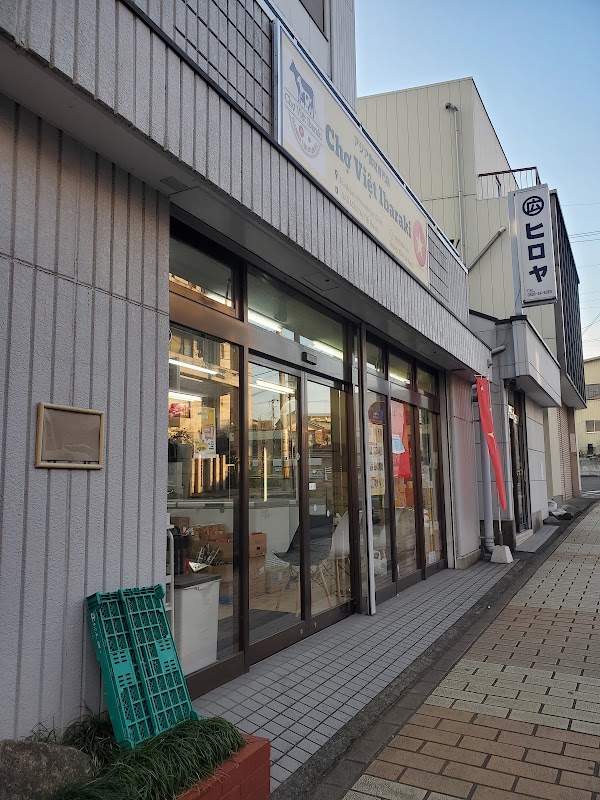
📍 Address: 220-13 Hei, Chikusei, Ibaraki 308-0031, Japan
‘Ibaraki Vietnam Market,’ located in Chikusei City, Ibaraki Prefecture, at the border, is easily accessible from Oyama City and Mooka City in Tochigi. As its name suggests, it’s a vibrant market brimming with an abundance of fresh meats, vegetables, and herbs, as if directly imported from Vietnam. A wide variety of products are available at affordable prices, allowing you to experience the atmosphere of a true local kitchen.
Its most significant feature is the accompanying restaurant that serves delicious Vietnamese cuisine. You can savor authentic dishes right after shopping, and if you contact them in advance, they even offer a pick-up service from the nearest station to the restaurant, showcasing their high level of hospitality.
It’s worth noting that, similar to local markets abroad, price calculations at checkout might sometimes be a bit approximate. To prevent any cashier errors, a golden rule for smart shopping in the local style is to carefully confirm the prices of your purchases yourself.
Tips for Smart Shopping at Asian and Vietnamese Supermarkets
Deep-dive grocery stores have different rules and atmospheres compared to typical Japanese supermarkets. Here are some key points to enjoy a smarter shopping experience.
First, ‘bring your own reusable bag.’ Many Asian shops avoid excessive packaging for spices and vegetables, offering them by weight or unpackaged, just like in their home countries. Bringing your own cloth bag or a large, sturdy eco-bag allows you to buy items cheaply and in bulk.
Next, ‘check for parking.’ It’s not uncommon for stores like those introduced here, especially near stations or intersections, to have limited or no dedicated parking spaces. Unauthorized parking or street parking can cause problems with neighbors, so it’s good etiquette to check parking locations on Google Maps beforehand or use a nearby coin-operated parking lot.
Finally, ‘don’t be afraid to communicate’ with the staff. If you find an unfamiliar condiment or a mysterious vegetable, ask, ‘How do you eat this?’ Even if Japanese isn’t widely understood, using a translation app or gestures can help you learn delicious local ways to eat and secret recipes. This is truly the greatest joy of exploring local supermarkets.


'%3E%3Cpath%20stroke='%23000'%20stroke-width='4'%20d='m-35-37-13%2020m5%203%2013-20m5%203-13%2020m63%2042%206-9m1-2%206-9m5%203-6%209m-1%202-6%209m5%203%206-9m1-2%206-9m-96%200%2013%2020m5-3-6-9m-1-2-6-9m5-3%2013%2020m63-42-6-9m-1-2-6-9m5-3%2013%2020m5-3-6-9m-1-2-6-9'/%3E%3Ccircle%20r='24'%20fill='%23cd2e3a'/%3E%3Cpath%20fill='%230047a0'%20d='M0%200a12%2012%200%201%201%2020%2013%2024%2024%200%201%201-40-26A12%2012%200%201%200%200%200'/%3E%3C/g%3E%3C/svg%3E)
'/%3E%3Cpath%20fill='%23b2b2b2'%20d='M241%20382q0%2016%2017%2026%2017%2011%2042%2011t42-11q16-11%2017-26V269H241'/%3E%3Cpath%20fill='%239f7e00'%20d='M241%20379q0%2014%208%2023%209%209%2021%209%2014%200%2021-9%209-9%209-23V269h-59'/%3E%3Cpath%20d='M241%20339v-70h59v110q0%2014-9%2023l-6%205v-68h-15v72q-8%200-14-4v-68zm59%2040c0%2022%2015%2032%2029%2032%2021%200%2030-18%2030-32v-40h-59'/%3E%3Cpath%20fill='%239f7e00'%20d='M266%20277v5h2v12h-3v-5h2v-5h-9v5h2v5h-4v9h3v18h-5v10h34v-10h-5v-18h3v-9h-4v-5h2v-5h-9v5h2v5h-3v-12h2v-5zm42%20101q0%2010%206%2017%206%206%2015%207%2010-1%2016-7%206-7%206-17v-29h-43'/%3E%3Ccircle%20fill='%230044ad'%20cx='329.5'%20cy='372'%20r='6'/%3E%3Cellipse%20fill='%230044ad'%20cx='300'%20cy='340'%20rx='16'%20ry='21'/%3E%3C/svg%3E)


